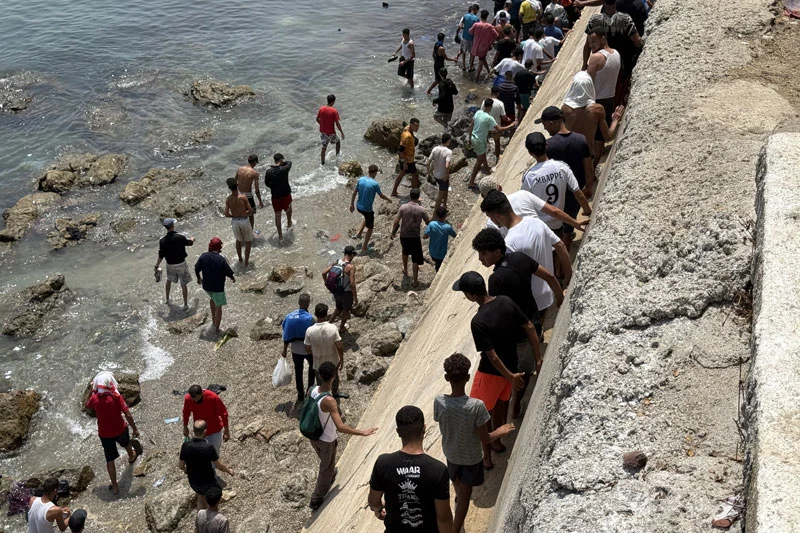
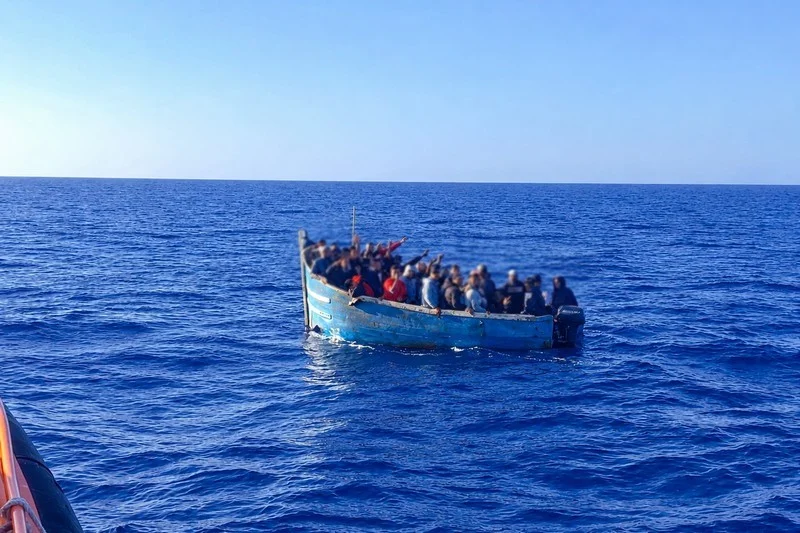
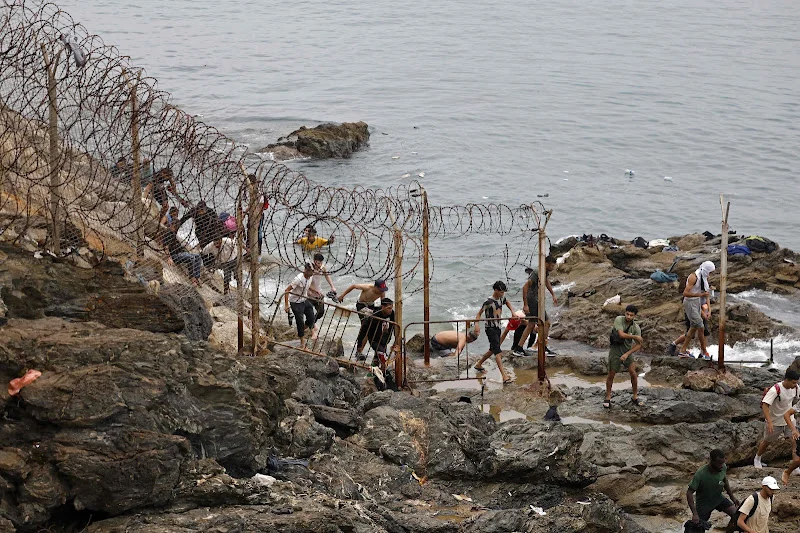
The recent migration surge that saw tens of thousands of young Moroccans, women and children attempt to reach the Spanish enclaves of Ceuta and Melilla may not be an isolated event, according to Moroccan analysts, who say the conditions that fueled the crisis remain largely unchanged.
The wave of crossings, which triggered one of the largest migration crises in the region in years, has left a heavy human toll. Estimates cited by Moroccan media suggest that more than 100 people are either dead or missing along Ceuta’s coastline, with many victims yet to be identified.
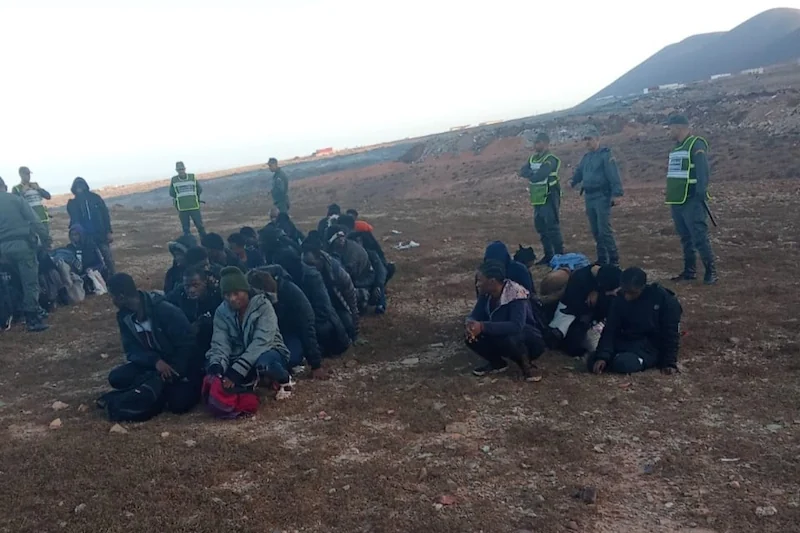
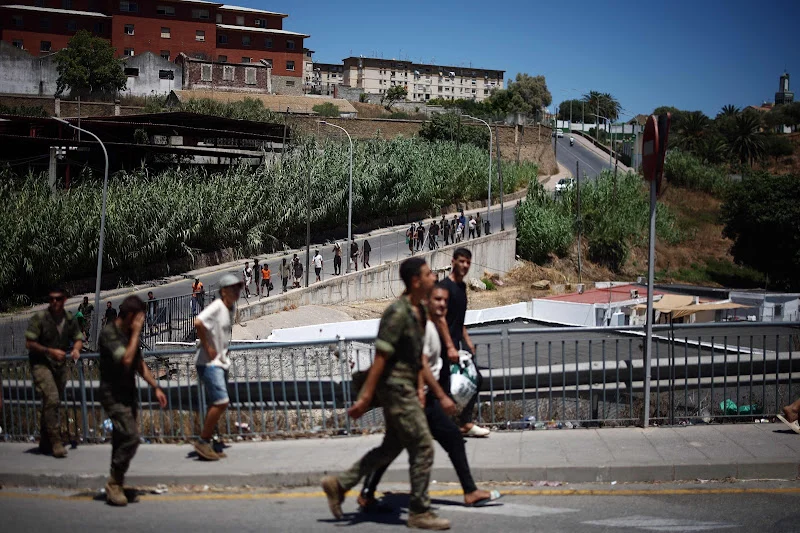
Although Morocco and Spain have agreed to return migrants who reached Ceuta by swimming in recent days, analysts say the measure is aimed at defusing an immediate crisis rather than addressing its underlying causes. The agreement has also drawn criticism from parts of Europe and beyond over Spain’s handling of the situation.
Mohamed El Khachani, a Moroccan researcher specializing in migration, said similar episodes are likely to occur again if the structural factors driving irregular migration remain unresolved.
“What happened in Ceuta can happen again in the future as long as the conditions that led to it persist,” El Khachani told Hespress. He argued that Ceuta’s geographical location on Morocco’s northern coast remains a central factor in recurring migration pressures.
He also questioned the long-term effectiveness of security measures, saying border enforcement alone has never been sufficient to deter irregular migration.
According to El Khachani, migration cannot be explained solely by unemployment.
“Morocco has sectors facing labor shortages, yet many young people believe that simply reaching Europe will allow them to achieve a better life,” he said, adding that migration is driven as much by aspirations as by economic hardship.
He described the issue as more complex than many migrants realize, involving geopolitical considerations as well as domestic challenges. He argued that Morocco “cannot serve as Spain’s border guard and, by extension, the European Union’s.”
El Khachani also criticized what he described as persistent corruption and accused Morocco’s governing coalition of obstructing reforms that could help ease rising living costs and improve social conditions, echoing campaign promises that remain unfulfilled.
Khalid Cheiat, a professor of international relations at Mohammed I University in Oujda, argued that any discussion of the migration crisis should also address the political status of Ceuta and Melilla.
“The fundamental issue is that two territories located in North Africa and on Morocco’s northern coast remain under Spanish control,” Cheiat said, calling for what he described as “an honest, courageous debate” about their future.
He also criticized what he called the politicization of the Western Sahara issue in Moroccan-Spanish relations, arguing that broader geopolitical disputes continue to complicate bilateral ties.
Cheiat said lasting stability would require greater transparency and trust between Rabat and Madrid.
“Geography is an inescapable reality,” he said. “If Spain wants a stable relationship with Morocco, it must build that relationship on clarity and mutual confidence.”
He added that as long as broader political disputes remain unresolved, Ceuta and Melilla are likely to continue serving as flashpoints in the migration debate, with both countries using the issue within a wider geopolitical context.




add your comment
Terms of publication : Not to offend the writer, people, sacred things, or attack religions or the divine self, and refrain from racist incitement and insults.