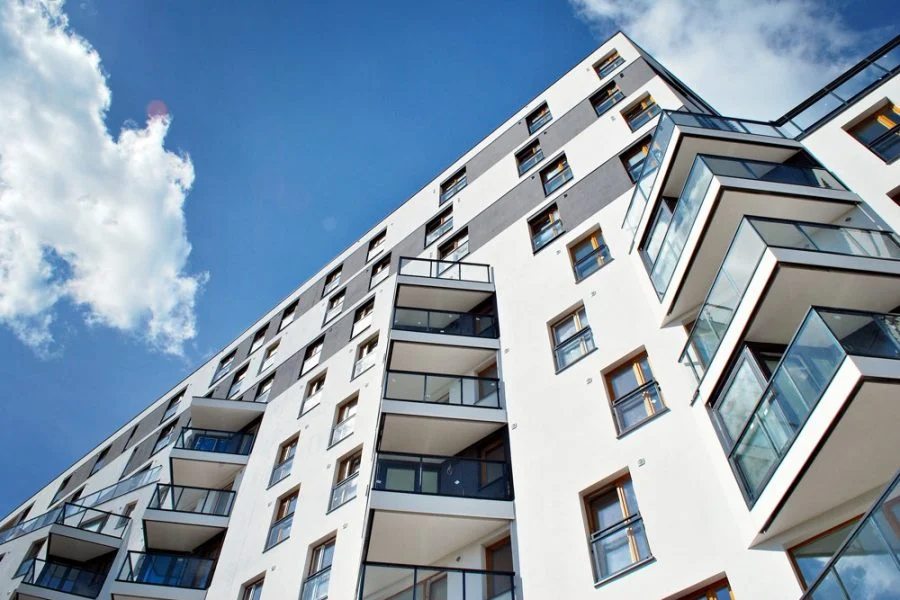
Morocco’s housing market is losing momentum fast, with home sales falling sharply, new construction slowing and developers warning that mounting costs and tighter regulations are pushing the sector deeper into trouble.
New figures from Bank Al-Maghrib and National Agency for Land Conservation, Cadastre and Cartography show property transactions dropped 40.2% in the first quarter of 2026 compared with the previous quarter, confirming one of the weakest periods the market has seen in recent years.
The slowdown is not limited to one type of property. Residential homes, land and commercial real estate all recorded fewer sales, while prices also continued to edge lower. The overall property price index fell 2.4% from the previous quarter, with residential properties and land both declining 3%.
The biggest warning sign, however, is the collapse in transactions rather than prices. Apartment sales dropped 37.5%, house sales fell 51.6% and villa sales plunged 53.1%, suggesting buyers are delaying purchases despite lower prices.
Rabat recorded the steepest decline, with transactions down 55.4% from the previous quarter. Marrakech followed with a 51.5% drop, while sales fell 37.8% in Casablanca and 36.4% in Tangier.
Developers say the market is being squeezed from several directions at once. They point to lengthy and complicated building permit procedures, soaring land prices in major cities and rising construction costs that continue to weigh on new projects.
The slowdown in construction is rippling across the wider economy, affecting architects, engineering firms, contractors and building material suppliers as fewer projects move forward.
The cost of development has also increased after taxes on undeveloped urban land doubled from MAD 15 to 30 per square meter. Industry professionals say those higher costs are eventually passed on to buyers, making homes even less affordable in an already expensive market.
At the same time, developers are facing new restrictions in Casablanca and Rabat, where local authorities have banned the construction of studio apartments smaller than 60 square meters.
The measure is intended to curb speculation linked to the short-term rental market ahead of the 2030 FIFA World Cup, but developers argue it removes one of the most popular and accessible housing options for first-time buyers.
They also say administrative changes introduced over the past two years have slowed transactions. A mandatory tax clearance certificate is now required before property sales can be completed, while private sales agreements have been restricted, creating additional paperwork and delays.


add your comment
Terms of publication : Not to offend the writer, people, sacred things, or attack religions or the divine self, and refrain from racist incitement and insults.