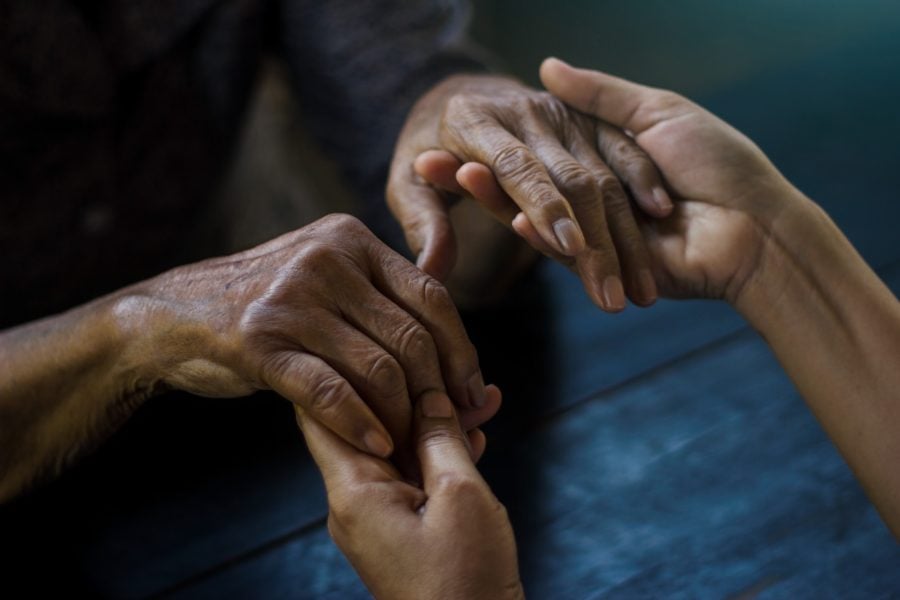
As the world marks World Elder Abuse Awareness Day, questions are emerging in Morocco about the place of older people in a society where they have long been regarded as the “treasure of the home” and a source of wisdom, blessing, and social cohesion.
Rooted in religious teachings and longstanding cultural values, caring for elderly parents has traditionally been viewed as a moral obligation. Abandoning or neglecting older relatives, or placing them in residential care facilities, has often carried a strong social stigma. Yet experts say demographic and social transformations are gradually reshaping these perceptions and family dynamics.
According to findings from the latest National Family Survey conducted by Morocco’s High Commission for Planning (HCP), the family remains the primary framework for protecting older people. More than 90% of elderly respondents said they feel safe within their families, while nearly 89% reported feeling respected by family members.
The survey also highlighted the economic vulnerability affecting many seniors. Only about 9% of elderly Moroccans said their income adequately covers their basic needs, while more than 64% of those who remain economically active continue working beyond the age of 60.
Family Values Under Pressure
Mohamed Habib, a psychologist and social specialist, said Moroccan culture has historically placed great importance on honoring parents and grandparents, particularly in old age.
“The relationship between Moroccan values and the elderly is deeply rooted in traditions of solidarity, mutual support, and religious principles that emphasize respect for older people,” he said. “For many Moroccans, elderly family members are naturally viewed as a source of blessing and wisdom within the household.”
However, Habib acknowledged that cases of abandonment and neglect have become increasingly visible. While still considered socially unacceptable, he noted that more families are turning to residential care institutions.
“These cases do not always stem from financial hardship,” he explained. “Some families with adequate resources are unable to provide direct daily care, while others face complex family circumstances that make cohabitation difficult.”
According to Habib, some elderly people voluntarily choose to move into care facilities because of tensions within multigenerational households or difficulties living with their children’s spouses.
He added that, for some residents, care homes have become places where they find companionship and emotional support among people facing similar life experiences.
Changing Family Structures
Khouloud Sebbai, professor of social psychology at Hassan II University of Casablanca, said broader societal changes are having a direct impact on the lives of older people.
She pointed to demographic aging, the decline of extended family structures, urbanization, and changes in women’s roles within society as key factors transforming traditional caregiving arrangements.
“In the past, caring for elderly relatives was largely assumed by women within extended households,” Sebbai explained. “Today, with more women participating in the workforce and families living in smaller urban homes, the question of who provides care has become increasingly complex.”
She also highlighted another challenge linked to the changing social status of older people.
“Historically, elderly individuals occupied a central position as holders of knowledge and life experience,” she said. “Today, rapid technological and scientific developments have altered these dynamics, with many older adults relying on younger generations to navigate modern digital tools and information.”
According to Sebbai, this shift has contributed to a gradual decline in the symbolic authority traditionally associated with old age.
A Need for New Approaches
Experts argue that Morocco’s aging population requires a broader public policy response that goes beyond family-based care.
Sebbai called for a reassessment of public perceptions surrounding elderly care institutions, suggesting that they should no longer be viewed solely through the lens of abandonment or social failure.
Instead, she advocated transforming them into respected, professionally managed centers dedicated to supporting older people through specialized services, trained caregivers, social workers, and psychological support programs.
As Morocco’s demographic profile continues to evolve, the challenge for policymakers will be to preserve values of family solidarity while developing modern systems capable of responding to the growing needs of an aging population.





add your comment
Terms of publication : Not to offend the writer, people, sacred things, or attack religions or the divine self, and refrain from racist incitement and insults.