
Education specialists and quality assurance experts have called for a comprehensive assessment of the electronic devices used to detect cheating during Morocco’s national baccalaureate examinations, stressing that their effectiveness should be measured not only by their ability to curb fraud but also by their impact on students’ psychological well-being and testing conditions.
The debate comes amid growing public discussion over the deployment of mobile detection devices in examination centers across the country.
The National Education Union – Democratic Orientation recently urged authorities to adopt clear and standardized protocols governing the use of the devices, arguing that anti-cheating measures should not compromise candidates’ rights or negatively affect the conditions under which they sit for exams.
Abdelnasser Naji, an education expert and president of the education quality organization Amaken, described the use of mobile electronic detection devices as a contentious issue with both educational and psychological dimensions.
Speaking to Hespress, Naji said the technology offers several advantages, including protecting academic integrity by identifying unauthorized attempts to cheat, safeguarding the rights of diligent students, and creating a deterrent effect that reduces the likelihood of misconduct.
He added that the devices can also ease pressure on exam supervisors and help protect teachers from potential confrontations or threats from disruptive students.
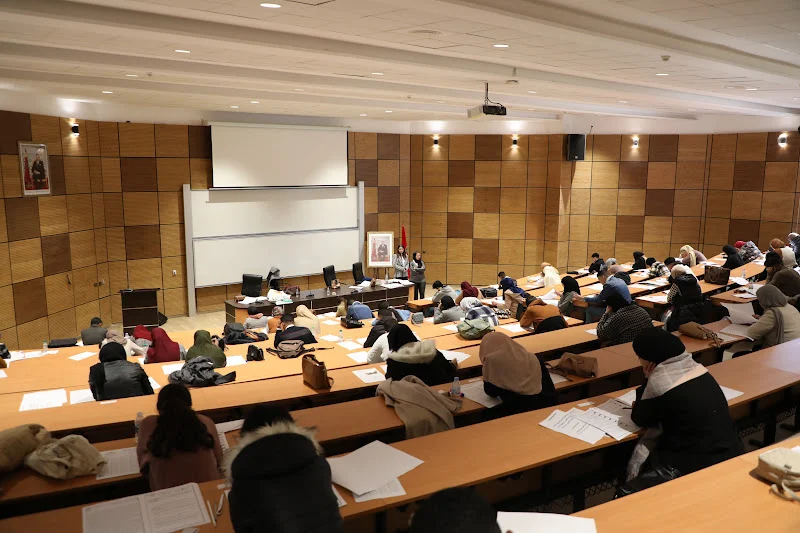
However, Naji warned that excessive reliance on such tools could transform examination halls into environments resembling “military barracks or prisons,” fostering feelings of suspicion and mistrust.
According to the expert, the presence of mobile detection devices may increase anxiety and cognitive stress among students, potentially affecting concentration, memory recall, and overall performance during exams.
“These negative effects can be significantly reduced when the devices are integrated discreetly and without disruption,” he said, noting that some advanced education systems accompany technological monitoring with preventive and supportive measures.
Naji argued that many developed education systems have moved beyond a purely security-based approach to academic dishonesty. Instead, they focus on redesigning assessment methods to emphasize higher-order thinking skills such as analysis, critical thinking, synthesis, and problem-solving rather than memorization.
He also highlighted the importance of continuous assessment throughout the academic year through projects, research assignments, and oral presentations, reducing dependence on a single high-stakes examination.
“When technology is necessary, these systems generally prefer unobtrusive tools that do not distract candidates,” Naji said. “While roaming electronic devices may help control behavior in examination rooms, they remain a superficial solution to a deeper structural issue.”
He argued that cheating is often a symptom of broader shortcomings within teaching and assessment systems and that investing in educational reform and ethical development offers a more sustainable solution than what he described as the “militarization” of exam spaces.
Jamal Chafik, a researcher and expert in education policy, said the adoption of detection technologies reflects efforts to strengthen the integrity of certification exams and combat the use of mobile phones and electronic devices for cheating.
Chafik emphasized that any evaluation of the initiative should be based on objective criteria and field studies incorporating feedback from school administrators, exam supervisors, students, and other stakeholders.
Such assessments, he said, would help determine the effectiveness of the measures while identifying both their strengths and shortcomings.
Among the positive outcomes observed so far, Chafik noted that many students have become more cautious and have chosen not to bring mobile phones to examination centers to avoid potential complications.
“This preventive effect can contribute significantly to reducing opportunities for cheating and strengthening equal opportunities among candidates,” he said.
At the same time, Chafik stressed that a balanced evaluation must also examine potential side effects, particularly those related to students’ psychological comfort and levels of stress during examinations.
He underscored the importance of informing students, families, and education professionals in advance about the nature and objectives of the measures, arguing that awareness and preparation can help ease concerns and improve acceptance.
“The final judgment on this experience should be based on a comprehensive scientific study capable of measuring its real impact on reducing cheating and enhancing the credibility of examinations,” Chafik said.








add your comment
Terms of publication : Not to offend the writer, people, sacred things, or attack religions or the divine self, and refrain from racist incitement and insults.