
Morocco’s customs authority reported a sharp rise in additional revenue from inspections and anti fraud operations in 2025, alongside record seizures of drugs, smuggled cigarettes and counterfeit goods, reflecting a broader intensification of customs enforcement and digital surveillance at the country’s borders.
According to the annual report of the Customs and Indirect Tax Administration, additional revenues generated through control operations rose to 8.09 billion dirhams in 2025 from 6.24 billion dirhams a year earlier.
Customs value controls accounted for the largest share, with revised transactions reaching 23.5 billion dirhams compared with 17.7 billion dirhams in 2024, generating nearly 7 billion dirhams in additional duties and taxes. Authorities attributed the increase to expanded use of digital monitoring systems and strengthened real time controls.
The administration also deepened its use of “smart targeting” tools through the BADR customs system, integrating 269 new targeting mechanisms combining data analysis, profiling and field inspections.
Drug seizures more than doubled in some categories. Customs officials seized 77.67 tonnes of cannabis resin in 2025, up from 38 tonnes in 2024, alongside 576,529 psychotropic pills and more than 1.3 tonnes of cocaine and hard drugs.
Seizures of smuggled cigarettes rose 231% to 843,854 units, while counterfeit goods investigations involved nearly 896,000 items including phones, clothing and perfumes through operations coordinated with Interpol and the World Customs Organization.
The report also highlighted expanded monitoring of currency smuggling and money laundering. Authorities registered more than 21,000 currency declarations worth over 3.4 billion dirhams and seized around 181 million dirhams in foreign currency, in addition to more than 131 kilograms of smuggled gold jewelry.
On the environmental front, seizures of banned plastic bags increased nearly sixfold to 398 tonnes under Morocco’s anti plastic legislation.
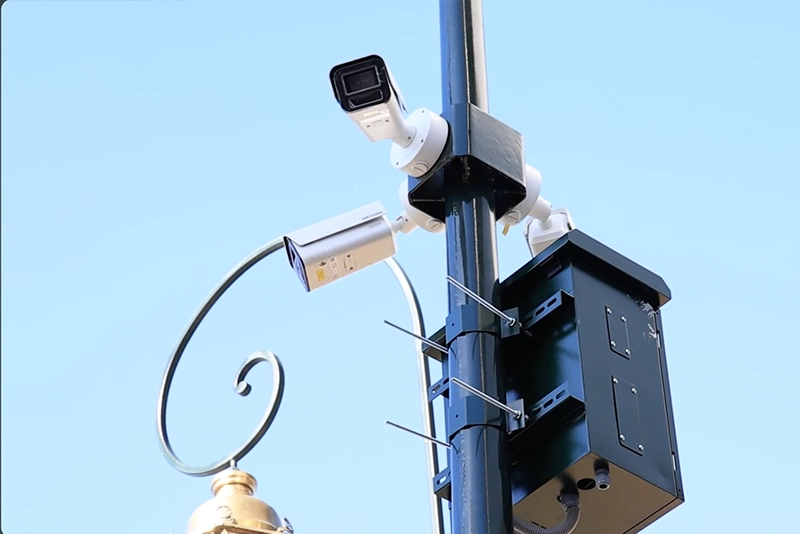
Customs authorities also expanded digital monitoring infrastructure through a new national supervision center using video surveillance across 12 strategic border and port sites equipped with vehicle recognition and automated alert systems.





add your comment
Terms of publication : Not to offend the writer, people, sacred things, or attack religions or the divine self, and refrain from racist incitement and insults.