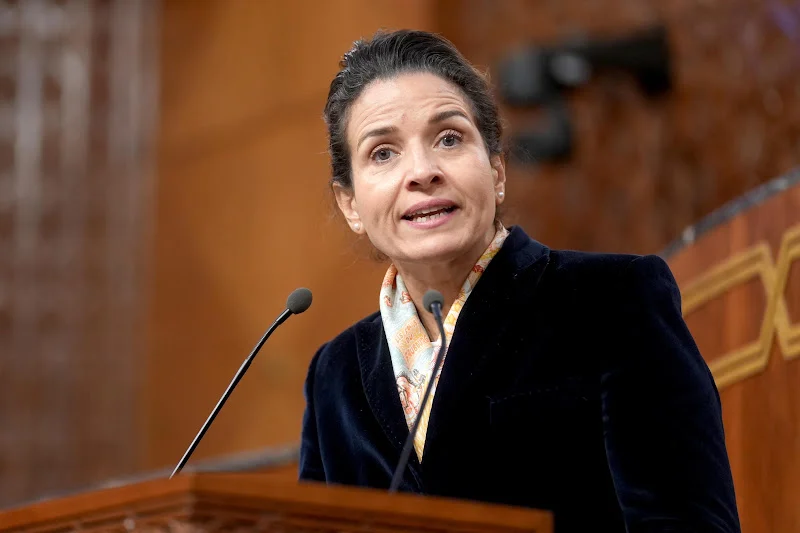
Morocco’s use of daylight saving time during winter has not produced the same energy savings recorded in summer, Energy Transition Minister Leila Benali said Monday.
Speaking before parliament, Benali said preliminary data shows no significant reduction in electricity demand linked to the extra hour during winter, with overall consumption instead rising in 2026.
She noted that assessing the impact of the time change has become increasingly complex, calling for an updated study to reflect evolving consumer behavior. “There is a need to revisit earlier analyses, particularly given changes in consumption patterns,” she said.
Benali added that evaluating the policy’s effects is now more regional than national, following the transfer of electricity distribution responsibilities from the National Office of Electricity and Drinking Water (ONEE) to newly created regional multi-service companies.
The minister also pointed to mounting global energy pressures linked to ongoing geopolitical tensions, particularly the conflict involving the United States and Iran. Citing the International Energy Agency, she said current disruptions have had a greater impact than past crises in 1973, 1979 and 2002.
She highlighted the strategic importance of the Strait of Hormuz, through which roughly 20% of global oil supplies transit, warning that instability there directly affects prices and supply chains for energy and related products.
To mitigate the impact, the Moroccan government has mobilized about 1.6 billion dirhams ($160 million) in subsidies. This includes 600 million dirhams to support butane gas, with subsidies for a 12-kilogram cylinder rising to 78 dirhams from around 30 dirhams before the conflict.
Additional measures include 400 million dirhams allocated to the electricity sector and ongoing fuel subsidies for transport professionals, set at 3 dirhams per liter of gasoline, costing approximately 648 million dirhams per month.
Despite global disruptions, Benali said Morocco’s fuel supply remains stable. National reserves cover about 47 days of diesel consumption and more than 49 days of gasoline, even after temporary disruptions at key ports such as Mohammedia Port and Jorf Lasfar Port.
She stressed that authorities are closely monitoring fuel pricing to ensure transparency and prevent unjustified increases, noting that no supply shortages have been recorded.
“Morocco’s situation is very different from that of other countries,” Benali said, citing coordination between stakeholders to secure supply, adding that more than 80% of countries worldwide depend on imported energy.







add your comment
Terms of publication : Not to offend the writer, people, sacred things, or attack religions or the divine self, and refrain from racist incitement and insults.