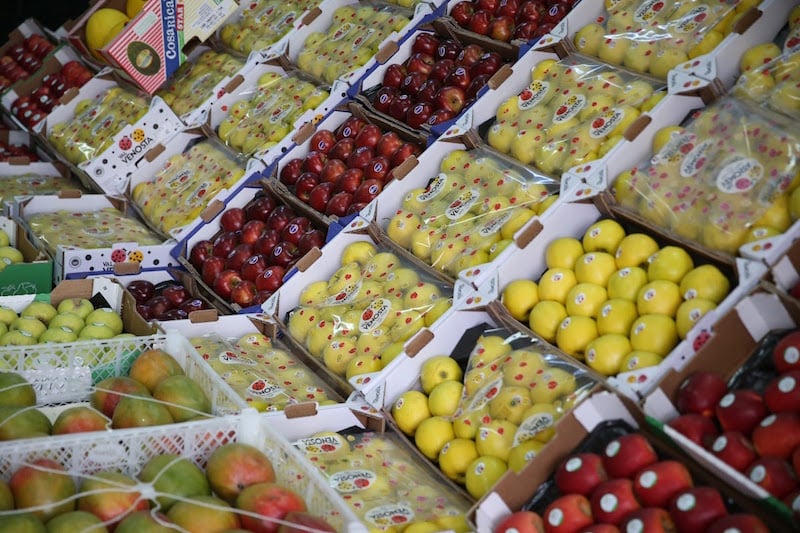
Moroccan authorities have intensified market inspections across the country in recent days as part of preparations for the holy month of Ramadan, aiming to monitor prices, ensure adequate supplies of basic foodstuffs and protect consumers’ purchasing power.
Mixed provincial inspection committees have been conducting field visits to markets nationwide, checking price compliance, food safety standards and supply levels. The inspections are being coordinated by local authorities to curb speculation, hoarding and unjustified price hikes, particularly for products with high demand during Ramadan.
Local authorities have also been holding a series of meetings in various regions to assess measures needed to guarantee smooth market supply and price stability throughout the fasting month.
However, consumer protection groups say the seasonal nature of inspections undermines public confidence.
“The monitoring of food quality and prices is carried out only seasonally, which weakens Moroccan consumers’ trust and sense of safety in how markets comply with the law,” said Wadie Medih, president of the National Federation of Consumer Protection Associations, in comments to Hespress AR.
Medih said inspections conducted by the federation in Casablanca showed widespread noncompliance, estimating that up to 90% of suppliers do not respect regulated pricing thresholds. He added that most traders fail to display prices, a violation of Morocco’s consumer protection law.
According to Medih, violations increase during Ramadan due to higher demand for food products and the growing presence of informal vendors. He warned that some products sold by unlicensed traders do not meet food safety requirements, including cold-chain standards, or are past their expiration dates.
“Inspectors tend to focus on traders registered in the commercial registry, while unregistered vendors — who can represent up to 40% of sellers — largely escape oversight,” he said.
Medih called for stricter penalties against traders who violate pricing and transparency rules, arguing that intensified inspections during a single month are insufficient. “It is unreasonable for monitoring to be strict for one month while markets remain largely unchecked for the rest of the year,” he said.
Hassan Ait Ali, president of the Moroccan Observatory for Consumer Protection, echoed those concerns, saying seasonal monitoring offers only a temporary and incomplete picture of market conditions.
“Continuous oversight helps detect manipulation or unjustified price increases in real time and protects consumers year-round,” Ait Ali said.
He urged authorities to adopt digital tools to improve transparency, including official platforms that regularly publish prices of essential goods and allow consumers to report abuses. Ait Ali also stressed the need for stronger coordination among regulatory bodies to combat speculation and eliminate hoarding, alongside tougher penalties for violations of consumer protection laws.







add your comment
Terms of publication : Not to offend the writer, people, sacred things, or attack religions or the divine self, and refrain from racist incitement and insults.