
Senior Moroccan officials meeting in Rabat on Friday agreed to roll out a national, preemptive flood management plan aimed at mapping high risk zones, strengthening early warning systems and improving emergency response, as parts of the country face severe flooding linked to heavy rainfall and dam saturation.
Speaking after a meeting of the national flood monitoring and response committee, Infrastructure and Water Minister Nizar Baraka said the plan would include detailed flood risk maps identifying threatened areas and measuring flood intensity, alongside technical mechanisms to anticipate future climate related hazards.
Baraka said the initiative seeks to move Morocco toward a more anticipatory approach to flood management, focused on protecting residents and limiting damage from increasingly frequent extreme weather events. He added that the committee, working with regional and provincial subcommittees, is closely monitoring weather conditions and maintaining full readiness, including the mobilization of human and logistical resources to assist affected populations.
The meeting brought together ministers and senior officials from security, water management, infrastructure and emergency services to assess the evolving situation, particularly in the northern city of Ksar El Kebir. The city has been hit by exceptional flooding following intense rainfall, rising river levels and the management constraints of dams that have reached full capacity due to large inflows.
Baraka said the committee welcomed royal instructions issued by King Mohammed VI ordering the immediate deployment of the Royal Armed Forces to support relief operations. The military has been mobilized with personnel, equipment and logistical assets to protect lives and assist displaced residents, a move officials described as central to Morocco’s national emergency preparedness.
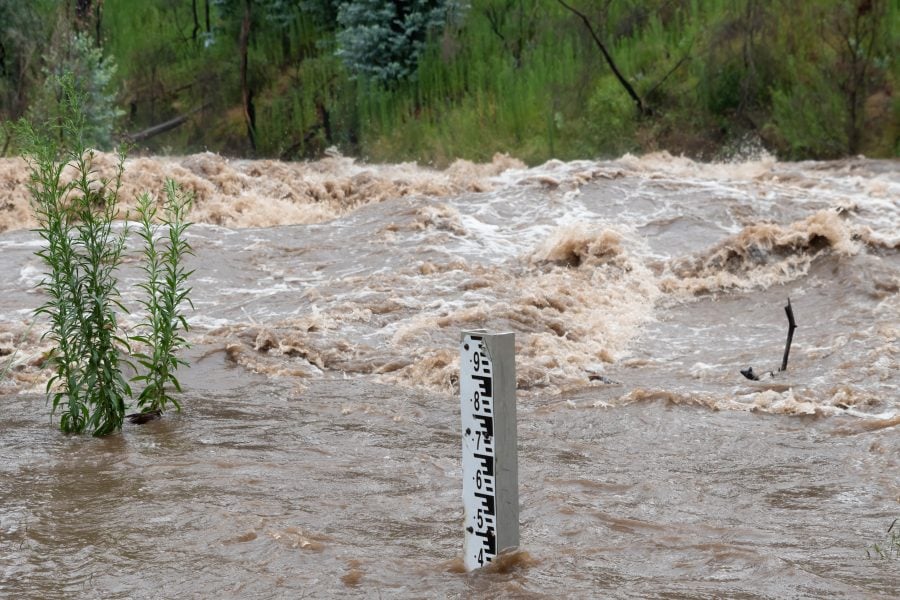
Authorities said water levels in the Loukkos River had begun to recede slightly on Friday morning, after flooding inundated several residential neighborhoods in Ksar El Kebir. Evacuation operations continued, with civil protection teams, local authorities and volunteers using heavy machinery, trucks and inflatable boats to move residents to safer areas.
The committee also reviewed measures to manage river flows in the Loukkos and Sebou basins and reduce downstream risks, while maintaining continuous field monitoring and maximum alert until weather conditions stabilize.








add your comment
Terms of publication : Not to offend the writer, people, sacred things, or attack religions or the divine self, and refrain from racist incitement and insults.