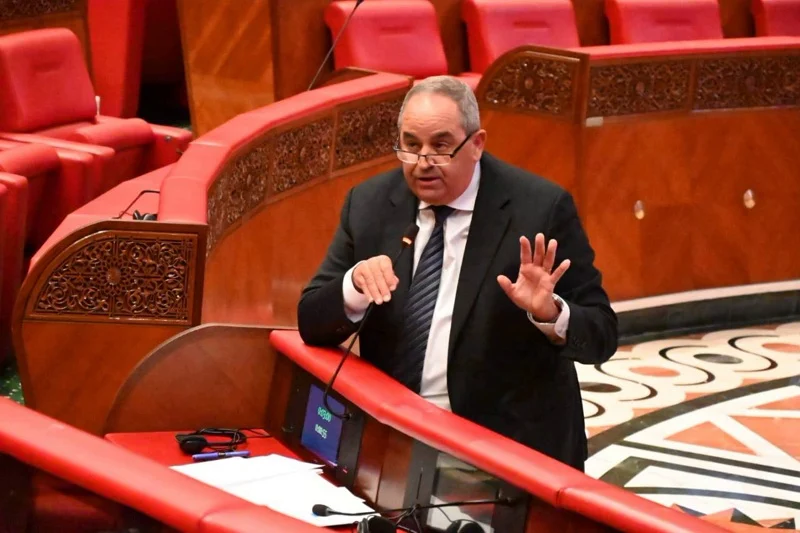
Morocco’s government plans to formally restructure scientific research as part of a proposed overhaul of the country’s higher education system, Higher Education Minister Azzedine Midaoui said Tuesday, describing the move as a break with decades of loosely defined research governance.
Law 59.24, currently under parliamentary review, introduces for the first time a dedicated legal framework for scientific research and innovation, Midaoui told the upper house of parliament. Previous legislation, he said, did not treat research as an independent sector with clearly defined institutions, staff categories or policy direction.
Under the bill, Morocco would create research only institutions that do not issue academic degrees but focus on strategic studies tied to national priorities. The law also defines new professional categories including postdoctoral researchers, associate researchers, foreign researchers and research engineers.
Midaoui said regulatory decisions establishing research structures will be published in Morocco’s official gazette once the law is adopted.
The minister also outlined the government’s strategy on artificial intelligence and digital education, saying the ministry had launched reforms to expand training in AI, data science and cybersecurity.
He said artificial intelligence is now part of undergraduate programs through two modules and expanded to three or four modules in master level programs. Morocco currently offers 65 specialized AI tracks and more than 500 digital studies programs, he added.
A national cybersecurity innovation center has also been created in partnership with the Defense Ministry and the Finance Ministry.
Midaoui said university staff are being retrained to support the transition, with more than 600 professors completing digital training programs.
On regional development, he announced plans to expand higher education infrastructure in southeastern Morocco, including raising the number of institutions in Errachidia from three to at least five.
He said the reform aims to restore continuity in public education policy after years of what he described as fragmented reforms dating back to 2009 and stressed that the new law is designed to improve university autonomy and long term planning.









add your comment
Terms of publication : Not to offend the writer, people, sacred things, or attack religions or the divine self, and refrain from racist incitement and insults.