
A local ban on watermelon cultivation in southern Morocco has fractured one of the country’s most profitable export chains into two unequal tracks, sending more than a hundred farmers from Morocco toward Mauritania’s irrigated plains while those who stay at home plant blind under water policies they say do not add up.
Local authorities in Tata and Zagora began restricting watermelon from 2022 to slow the fall of already stressed aquifers after six straight years of drought. In Tata, farmers say the last season before the ban saw around four thousand hectares planted in watermelon.

Last year, the total cropped area in the province fell to about 1600 hectares as producers abandoned the fruit and shifted to other crops.
“We used to do maybe one hundred million dirhams in turnover,” he said. “Now it is fifty or sixty. We can live, we keep operations going, but the big impact is on workers. Women do most of the field work here and they have been hit the most.” Moulay Ahmed Errahmani, an exporter in Tata, who once specialised in watermelon for European markets, told Hespress EN, adding that the policy cut his business in half.
Farmers who remained in the province said the ban was presented as a temporary emergency measure, but no one has told them when it will end.
The new season normally starts in November, but this year, as in the past two years, producers said they prepared land without knowing whether they would be allowed to plant watermelon at all.
“I planted squash because we still do not know if we will be allowed to do watermelon or not,” Errahmani said. “We contacted the ministry and the region. There is no clarity.”
At the same time, producers describe a second policy track pulling them in the opposite direction, because while provincial authorities blocked watermelon on water grounds, national programs from Rabat continued to subsidise tomatoes and onions, which farmers in Tata say consume at least as much irrigation water and often more.
“Tomatoes actually use more water than watermelon,” the Tata grower said. “The ban is local, but the state support for tomato is central. When a top down decision comes and it is subsidised, people here cannot say no.”

Producers acknowledge that the water table in Tata recovered somewhat last year, with several wells and springs coming back into service, but they credit that improvement mainly to heavy rainfall across the region, not to the watermelon ban itself.
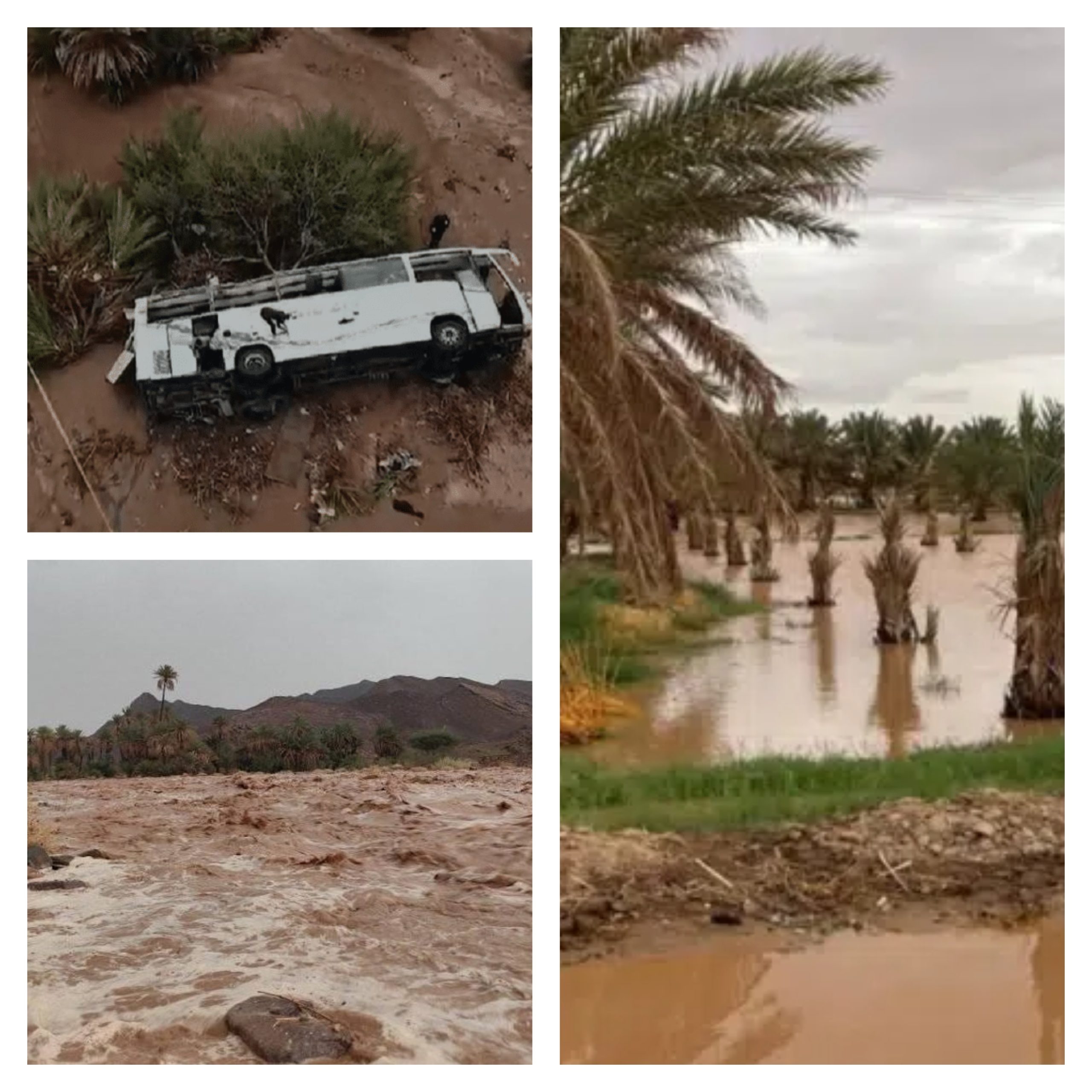
“The ban helped a little by reducing pressure,” the exporter said. “But the main factor was the rain. Last year we had a lot of rain across the province. That recharged the aquifer and brought some relief.”
Meanwhile, across the southern border between 96 and 120 farmers from Tata alone have moved operations to Mauritania in a single season, according to producers in the province.
“In a good year one hundred twenty left, in a bad year even more,” the exporter said.
Mohamed Sdira, a farmer from the Chichaoua province, among those who left for Mauritania said that “despite challenges, many farmers who used to grow watermelons in Morocco are preparing to come here.”
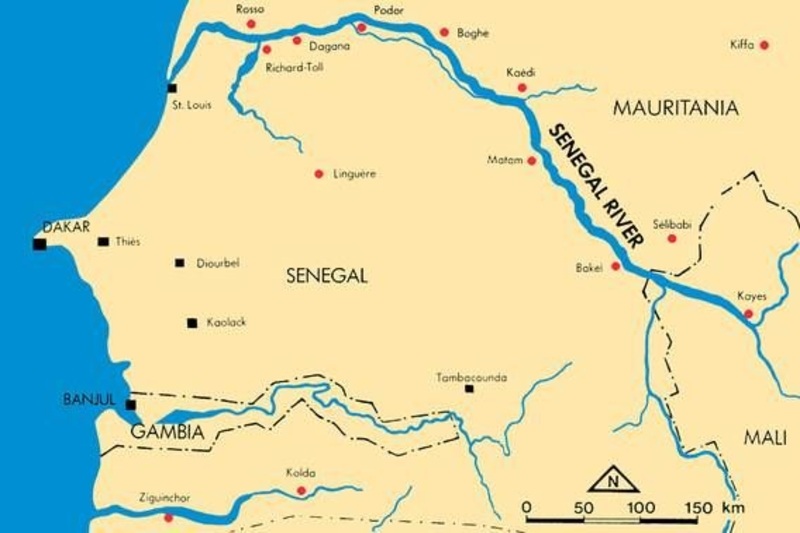
Along the Senegal River Basin, where Mauritania is trying to expand irrigated agriculture and reduce dependence on food imports, the government has been offering land leases, subsidised inputs and reduced water fees to local and foreign investors.
“Here, for pumping water in Tata, I have ten hectares and I am allowed forty eight units of pumped water for the season and I pay eighteen hundred dirhams a year,” the Errahmani said.
“In Mauritania, you pay nothing. Everything is free. Pump as much as you want, use the land as you want. If you have the means, you can farm one thousand hectares, no problem.”
He said Mauritanian officials frame the approach as a deliberate phase in building an agricultural sector. “They told me themselves they want a ten to twenty-year window to build an agricultural culture and train skilled labour, then later they will think about regulations and laws. For now, they need activity.”
Mohamed Zemrani, head of the Moroccan Association of Producers and Exporters to Africa and Abroad, said “Mauritania welcomed anyone who wanted to farm and invest in agriculture,” he said.
“They offered incentives and support because they want to strengthen their food security, and unlike Morocco, they don’t have a water shortage problem,” Zemrani added.
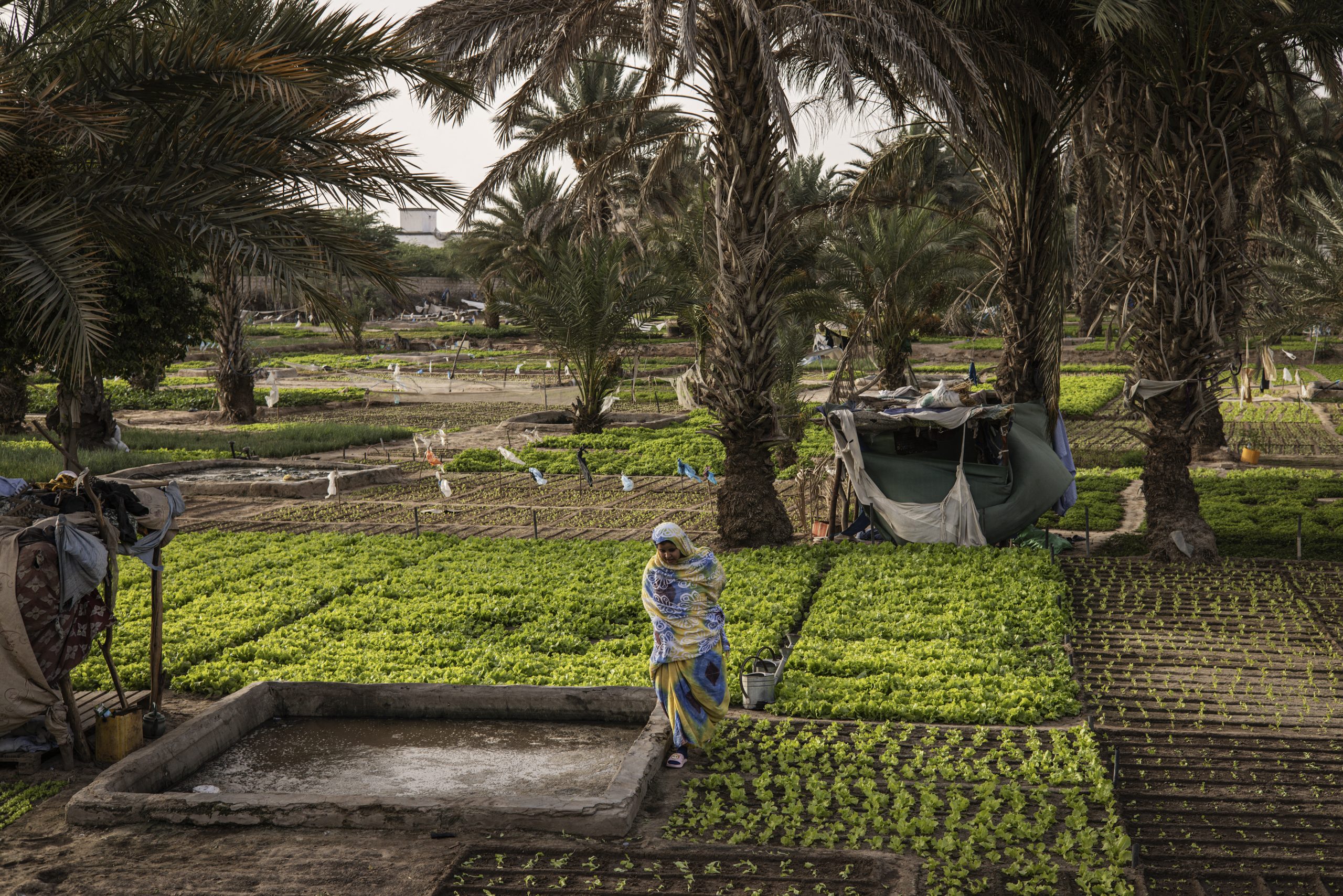
Other Moroccan producers who first tried Mauritania and later Senegal describe the same initial appeal. “At the beginning everything looked promising,” Mohamed Cherma, a Moroccan farmer who first moved to Mauritania and later to Senegal.
“The conditions were perfect to start growing watermelons and onions there.” Over time, he said, the main constraint shifted from land and water to markets and logistics. “We realised marketing the crops is very difficult, and exporting them even more so.”
The cross border trade chain has become more fragile as both governments adjust food policies. When Morocco restricted exports of onions, potatoes and other produce to secure domestic supply, Mauritania responded by sharply increasing transit fees and customs duties on goods from Morocco.
At the El Guerguerat border crossing, farmers said transport costs rose from about 1,600 euros to 4,600 euros per truck, before the hikes were lifted in mid 2024.
Even after the formal tariffs came down, they described what one grower called an “informal tariff” in the form of higher freight rates and fewer Moroccan hauliers willing to make the trip.
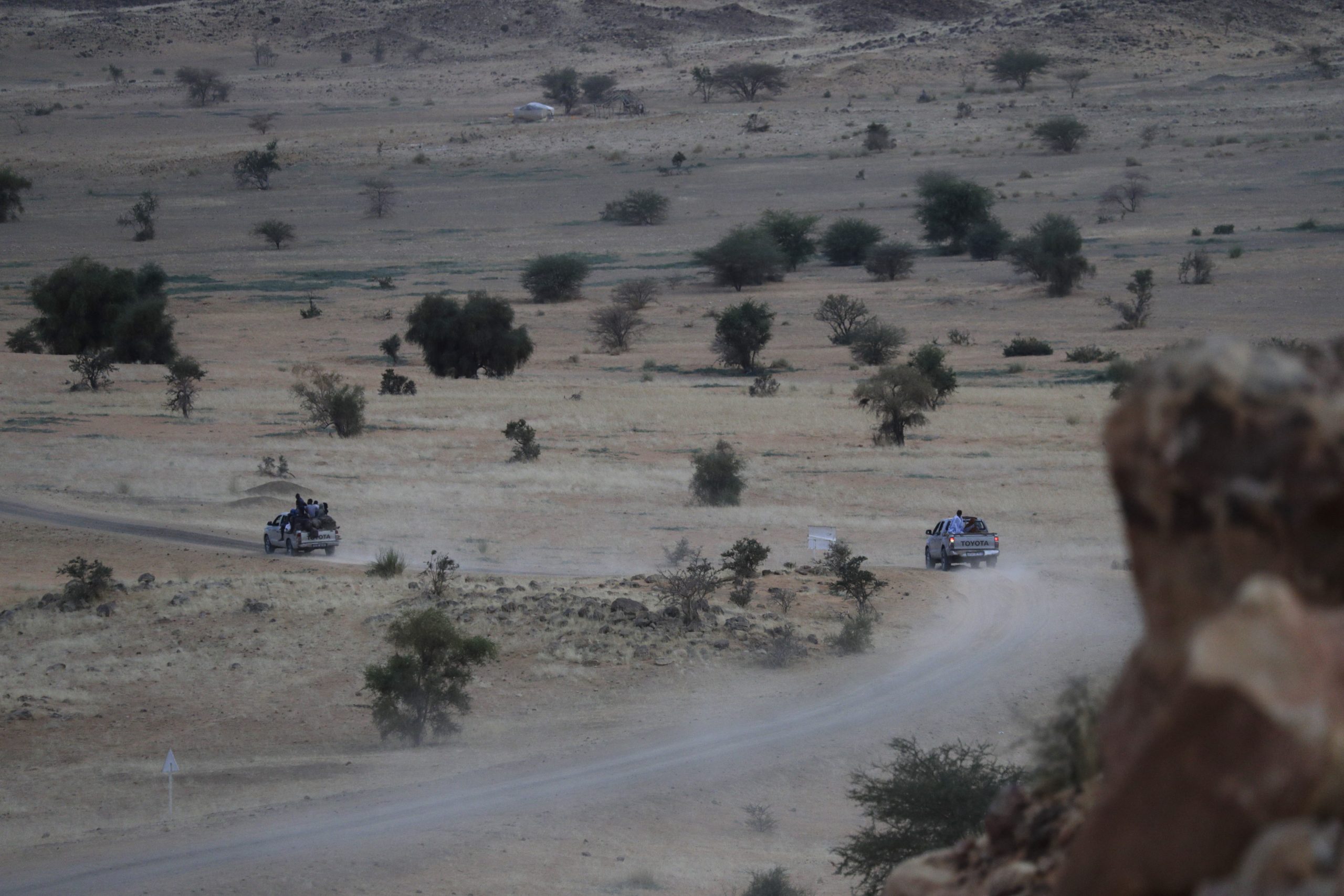
Mauritania’s own transport network adds another layer of risk. Only a limited stretch of its roads are paved, and there are few companies equipped to move refrigerated cargo over long distances.
Farmers said they often rely on small operators who charge per kilometre in ouguiya while they are paid in euros for their exports. “Once food is packed, if there is no truck, it spoils,” one farmer said.
“It’s pushing many of us to look toward Europe instead,” the Chichaoua farmer said.
Even that path isn’t easy, he added. “Europe is tough too, you need connections and buyers there. And with the high cost of transport, that option is out of reach for many farmers.”
Asked why he left Mauritania for Senegal, Cherma said it wasn’t about drought or water. “It was purely a business decision,” he said. “The Senegal River region isn’t facing water shortages, but selling our produce in Mauritania became too difficult. That’s why I moved.”
Despite those constraints, farmers and exporters say Mauritania has already started to turn the shift in its favor. With irrigated land expanding along the Senegal River and local production of vegetables and fruits increasing, Mauritania has begun to displace some Moroccan shipments into West African markets.
“You have Moroccan farmers competing against Moroccan products,” the Tata exporter said. “We sounded the alarm, but no one listened.”
Producers who remain in the province say they are trying to keep some activity going by rotating into onions, squash or other crops that still qualify for support.
The exporter said he currently has eight hectares of squash planted and is hiring local women to work the fields. “We are trying to create the minimum level of activity to bring back some of the movement we used to have,” he said. “But we have not been able to get back to that level yet.”
Asked whether he would consider moving his entire operation to Mauritania, the grower said he would stay. “Not at all. Never. My country comes first,” he said.
“We will stay here, whatever God gives, try to innovate, create other opportunities. I am from here. It is my land.” Around him, he said, the number of neighbours leaving continues to rise.






add your comment
Terms of publication : Not to offend the writer, people, sacred things, or attack religions or the divine self, and refrain from racist incitement and insults.