
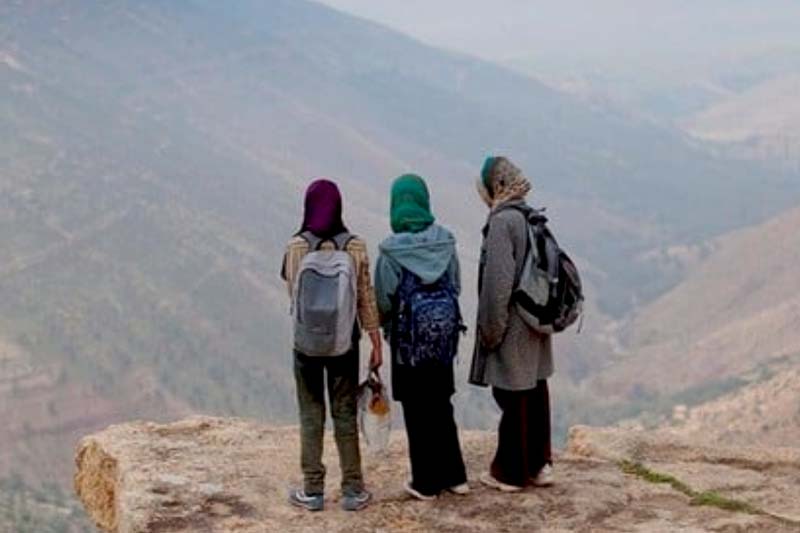
Three out of ten Moroccans say women are “often” or “always” prevented from working by their husbands or family members. This figure rises sharply in rural areas, among women without formal education, and for those living in moderate or high poverty, according to a survey by Afrobarometer.
Employment among working-age women (18–65) remains extremely low, with only 12% in full-time work compared to 47% of men.
Part-time employment is also limited, with 6% of women employed versus 23% of men.
Many women identify as homemakers (54%) or students (20%), and 69% of working-age women are not employed and not seeking work.
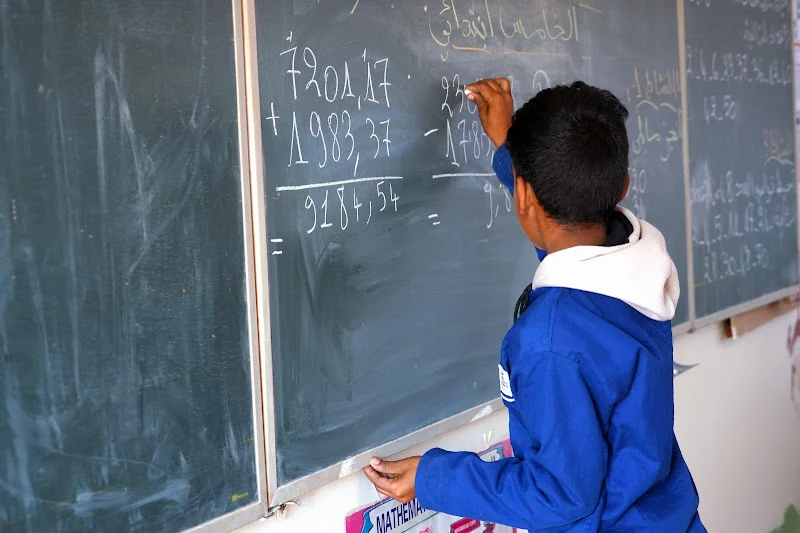
Education gaps persist. While women achieve similar secondary and post-secondary levels as men (57% vs. 58%), girls are more likely to miss out on formal schooling.
Around 15% of respondents say families prioritize boys’ education over girls’, rising to 28% in rural areas and 33% among households in moderate or high poverty.
Discrimination, harassment, or sexual advances from teachers affect nearly 27% of schoolgirls, especially among poor, urban, and highly educated populations.
Harassment in public spaces is a major concern. Over 40% of Moroccans report that women face sexual harassment “often” or “always” in markets, streets, or public transport.
Awareness is higher among women, youth, urban residents, and those with post-secondary education. Seventy-five percent of citizens call on police and courts to take stronger measures to protect women and girls from discrimination and harassment.
Political representation is also unequal. Women make up nearly half of Morocco’s population but hold only 24% of parliamentary seats. While 65% of citizens believe women should have equal opportunities in elections, 30% still think men are better leaders and should be prioritized.
While Moroccan women have achieved parity in education, they lag far behind in employment and political leadership, with social norms and institutional gaps continuing to restrict their full participation in public life.




add your comment
Terms of publication : Not to offend the writer, people, sacred things, or attack religions or the divine self, and refrain from racist incitement and insults.