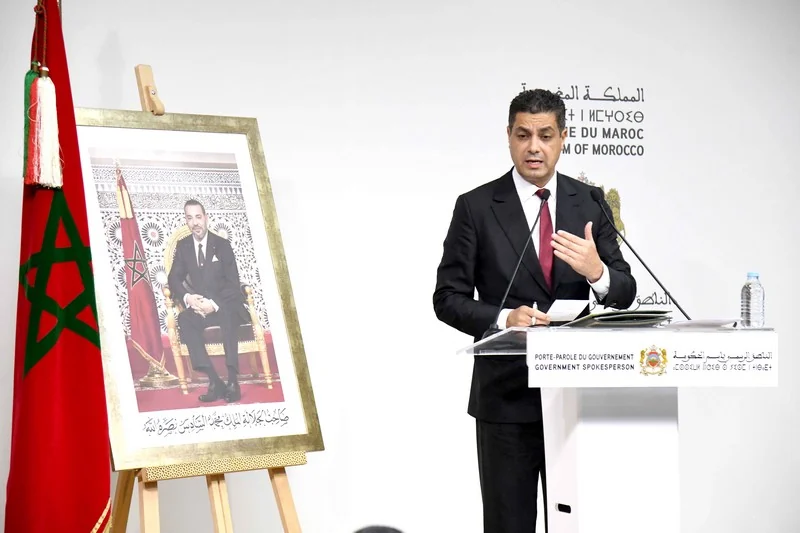
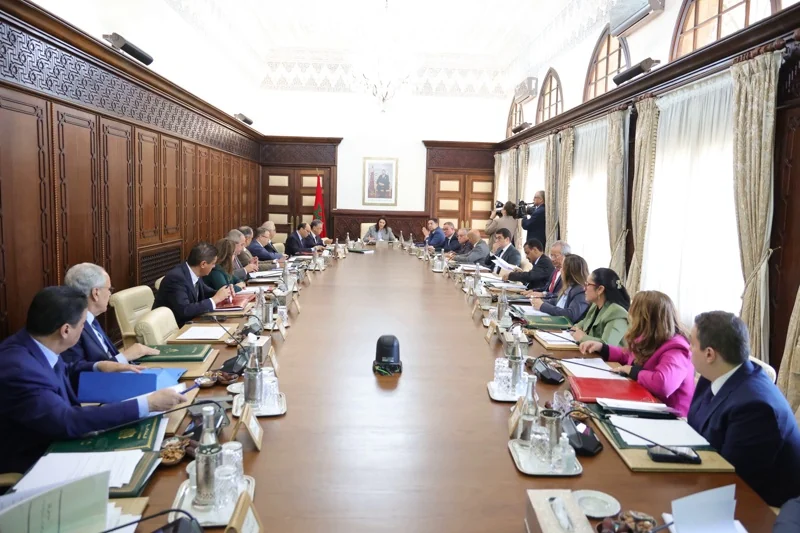
Morocco’s governing coalition is expected to hold a meeting early next week to discuss fuel prices and household purchasing power, government spokesperson Samir Belfqih said Thursday.
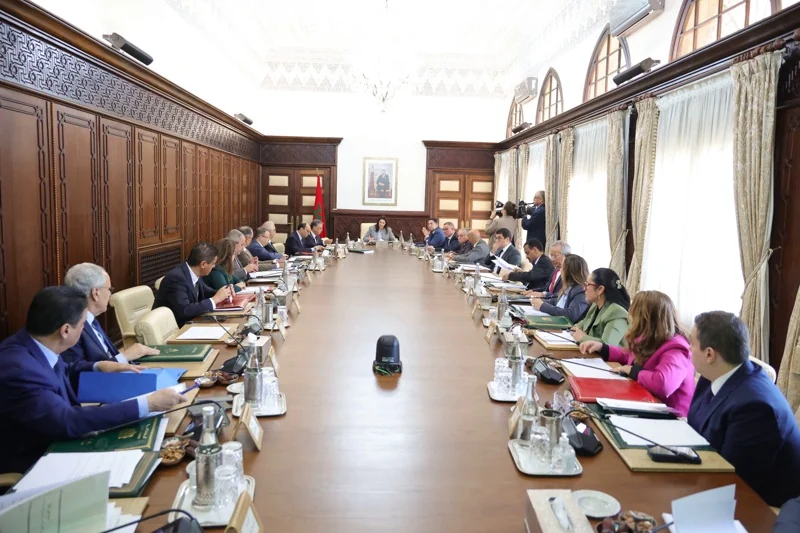
Speaking at a press conference following the weekly Cabinet meeting, Belfqih said the meeting would take place as scheduled unless any changes arise.
The gathering will bring together the secretaries-general of the parties forming the governing majority, as well as government ministers and members of their political bureaus, he said. The parties include the Authenticity and Modernity Party, the Istiqlal Party, the Socialist Union of Popular Forces and the Party of Progress and Socialism.
Belfqih said the meeting would provide an opportunity to revisit fuel prices and purchasing power, but did not disclose further details about its agenda.
Government support and transport fares
Addressing concerns over fares charged by large taxis, Belfqih said prices should not increase while the government continues to provide exceptional financial support to passenger and freight transport operators.
“I am not saying that an increase is legal; I am saying that it should not happen,” he said, while acknowledging difficulties in monitoring and enforcing price stability in the sector.
He added that the relevant authorities were taking measures to address the issue.
The spokesperson said it would be inconsistent for the government to provide exceptional assistance aimed at protecting household purchasing power while fares for passenger and freight transport continued to rise.
First 100 days and housing support
Belfqih said the government would present an official assessment of the measures undertaken during its first 100 days at a later date.
All government departments submitted their programs by the Friday deadline, he said, including the Ministry of National Territorial Planning, Urban Planning, Housing and City Policy, which he heads.
Among the ministry’s main housing measures, Belfqih cited the allocation of MAD 800 million to address outstanding applications under the direct housing assistance program, with the aim of processing all eligible files before Dec. 31.
The measures also include advancing urban planning documents, including the approval of development plans and urban master plans.
The minister said approximately 237,000 eligible applications had been submitted through the housing assistance program’s digital platform, while the number of actual beneficiaries had reached around 131,700. The figure stood at approximately 128,000 as of September 2026.
He attributed the increase to the government’s decision to release two financial installments of MAD 300 million each, totaling MAD 600 million during its first month in office. The funding enabled the processing of more than 3,000 additional applications, he said.
Belfqih said the ministry was committed to processing all eligible applications submitted before Dec. 31, 2026.
He explained that the program operates through a three-party arrangement involving the beneficiary, the property developer and the government, with the ministry not directly involved in the transaction. Applicants choose their homes and developers independently, while the financial assistance is paid directly to the beneficiary rather than the developer.
The program provides MAD 100,000 for homes priced below MAD 300,000 and MAD 70,000 for homes costing between MAD 300,000 and MAD 700,000.
On regional equity, Belfqih acknowledged that beneficiaries were concentrated in certain regions and cities, attributing this distribution to the availability of housing supply in those areas.
He said the ministry had decided to conduct a comprehensive internal assessment of the program before developing it further beyond 2028, with the aim of improving how assistance is targeted.
Moroccans living abroad account for 23% of beneficiaries, while women and young people represent approximately 40%, he added.
Government prepares for potential cold wave
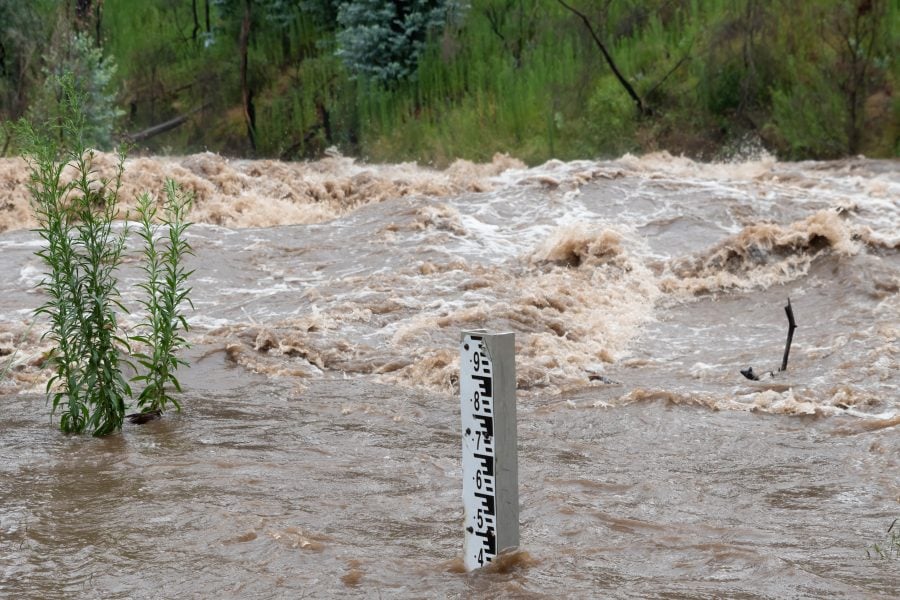
Addressing preparations for winter conditions, Belfqih said Morocco had not yet reached a crisis situation due to the cold weather, although the possibility of a cold wave in the near future remained.
He said government institutions were mobilized to respond to potential severe weather, with a national command center operating under the Ministry of Interior, alongside coordinated efforts by provincial and prefectural authorities and local vigilance committees.
The minister said the preparations drew on Morocco’s experience in responding to harsh winter conditions.
He also highlighted the role of the Mohammed V Foundation for Solidarity, the Royal Gendarmerie, the Auxiliary Forces and other agencies involved in the response.
Belfqih said the mobilization reflected the special attention King Mohammed VI gives to communities requiring improved access and connectivity, particularly in areas vulnerable to isolation during severe winter weather.


add your comment
Terms of publication : Not to offend the writer, people, sacred things, or attack religions or the divine self, and refrain from racist incitement and insults.