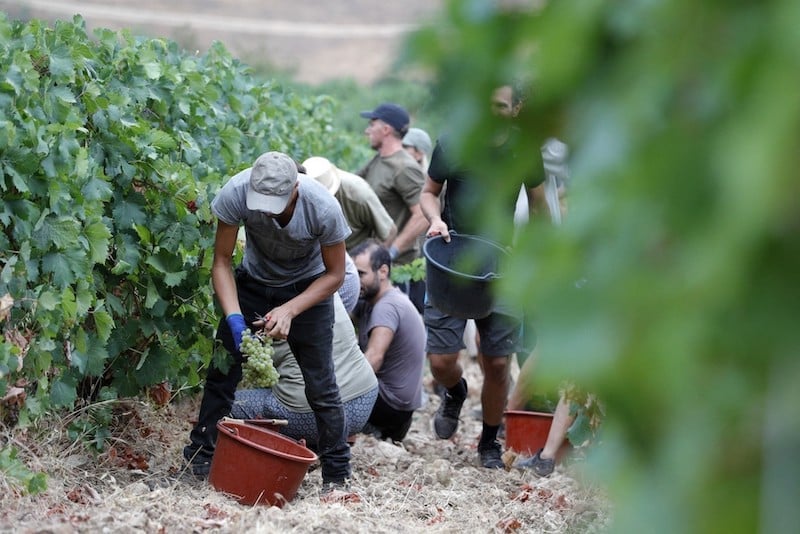
Morocco has become the new engine of fruit and vegetable imports in the Mediterranean region, according to fresh data from Italiafruit News, a platform specializing in agricultural market analysis.
The report highlights that Morocco’s fruit production alone grew by 33% over the past two decades, rising from an annual average of less than 4 million tons to over 5 million tons. Combined fruit and vegetable output in the kingdom expanded by 25% between 2005 and 2023, while global imports of Moroccan produce surged by around 120%during the same period.
Italiafruit News attributed this growth to Morocco’s “strategic focus on high–value crops such as berries, avocados, and tomatoes—products that were niche and rare twenty years ago but are now globally recognized for their quality and consistent supply chains.”
The platform also noted that demographic expansion is reshaping Moroccan consumption patterns. “A growing labor force supports the agricultural sector, while rising local demand for fresh and nontraditional produce reflects both evolving tastes and greater purchasing power,” it said.
Vegetable production in Morocco increased by 17%, though the trend varies by crop: onion output has declined, carrot production has remained stable, and several export-oriented vegetables have seen significant growth.
Tomatoes remain Morocco’s flagship agricultural export, accounting for about 50% of total produce exports, with global imports of Moroccan tomatoes valued at roughly €1 billion, the report added.
As for fruit exports, Morocco has undergone a deep structural shift. Fruit exports grew by 50% in the past decade, exceeding 1 million tons. However, orange exports dropped sharply from 256,000 tons in 2005 to just 38,000 tons in 2023, while mandarins (tangerines) rose to become the country’s top fruit export.
France and Spain are the leading importers of Moroccan fruits and vegetables, together accounting for 46% of total shipments, followed by the United Kingdom and the Netherlands with 29%. The United States and Canada mainly import Moroccan citrus products. Overall, the value of global imports from Morocco has risen by nearly 500% over the last 20 years.
Regarding Italy, the report described agricultural trade with Morocco as “modest but stable,” with Italy importing about 25,000 tons of Moroccan agricultural goods in 2024, while exporting 738 tons in return.
Italiafruit News concluded that Morocco has achieved a “qualitative leap” in agriculture over the past two decades, evolving from a regional supplier into a recognized player in European markets. It credited the country’s success to “a clear strategy focused on high-value crops, competitive pricing, and quality,” positioning Morocco as one of the most dynamic and competitive agricultural hubs in the Mediterranean.







add your comment
Terms of publication : Not to offend the writer, people, sacred things, or attack religions or the divine self, and refrain from racist incitement and insults.