
Morocco will increase spending on health and education to nearly 140 billion dirhams ($13.6 billion) under its 2026 draft budget, up from about 128 billion dirhams in 2025, as part of efforts to respond to youth demands for better services and reduce regional inequalities, Finance Minister Nadia Fettah Alaoui told Reuters on the sidelines of the IMF and World Bank annual meetings in Washington.
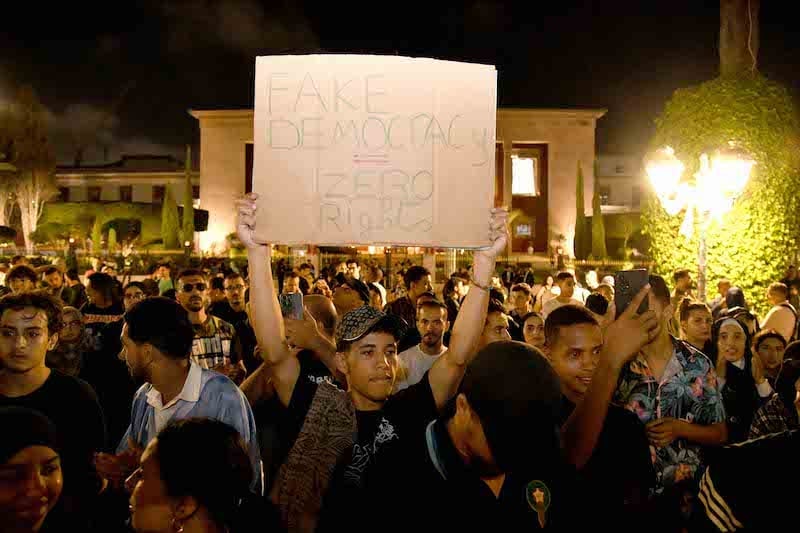
“What we’ve heard from young people is that they want better education and better health,” Fettah Alaoui said, adding that the government would “redirect spending to achieve quick wins in the short term because people cannot wait for long reforms.”
She said the draft budget allocates additional resources to narrow regional disparities and improve local hospital operations so citizens “don’t have to travel long distances to receive care.”
The draft finance bill, presented on Sunday, projects economic growth of 4.8% this year, driven by stronger domestic demand and non-agricultural activity, while maintaining inflation at around 1.1% and reducing the fiscal deficit to 3.5% of gross domestic product. Officials said the plan aligns with King Mohammed VI’s calls to consolidate Morocco’s “emerging economy” trajectory by balancing economic competitiveness with social equity.
The budget’s four main priorities include promoting private investment, strengthening territorial development, expanding social welfare, and preserving macroeconomic stability.
Under the plan, Morocco will step up investment in health and education infrastructure. The health ministry will open new university hospitals in Agadir and Laayoune, complete work on facilities in Rabat, Béni Mellal, Guelmim and Errachidia, and renovate 90 public hospitals. In education, the government will expand preschool access, improve teaching quality, and strengthen student support services.
Social transfers will also rise under the government’s direct assistance program, which covers about four million households. Monthly child benefits will increase to between 50 and 100 dirhams for the first three children, alongside new subsidies for orphans and abandoned children. Authorities also plan to generalize pension coverage and unemployment insurance while maintaining direct housing aid for low- and middle-income families.
The finance ministry said investment incentives will remain a key driver of growth. The 2026 budget expands tax and credit facilities for small and medium-sized enterprises and introduces a new technical and financial support mechanism to spur job creation and regional equity. Morocco also aims to attract foreign investment through its green hydrogen offer and updated investment charter.
Economists said the 2026 plan marks a shift toward structural reform, aiming to modernize public finance and integrate regional economies.




add your comment
Terms of publication : Not to offend the writer, people, sacred things, or attack religions or the divine self, and refrain from racist incitement and insults.