
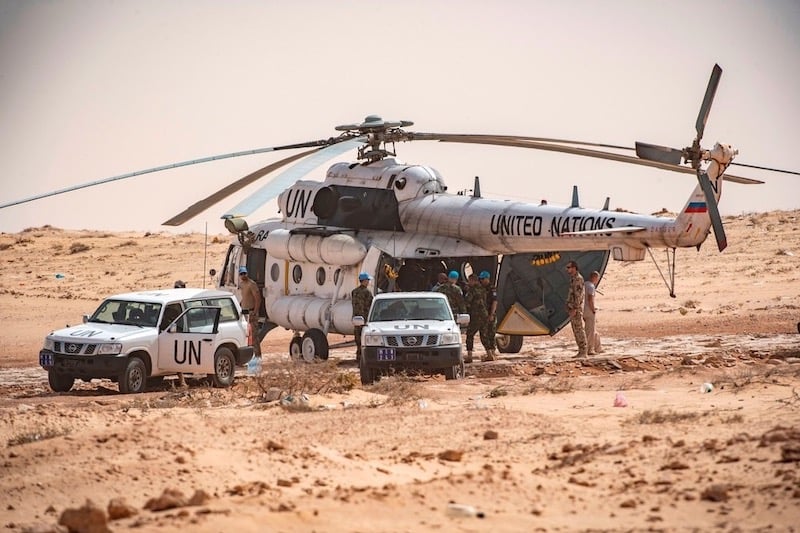
The White House has reaffirmed its support for Morocco’s autonomy initiative as the most serious, credible and realistic basis for resolving the decadeslong Sahara dispute, signaling a renewed U.S. focus on the conflict.
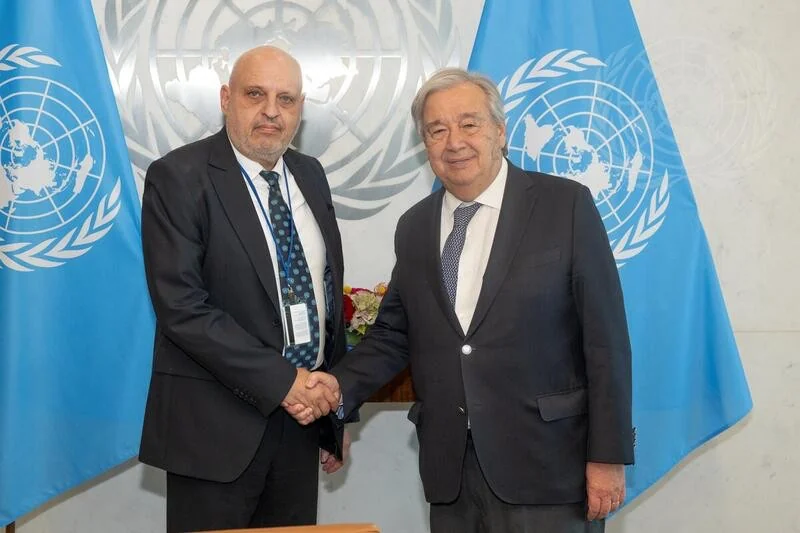
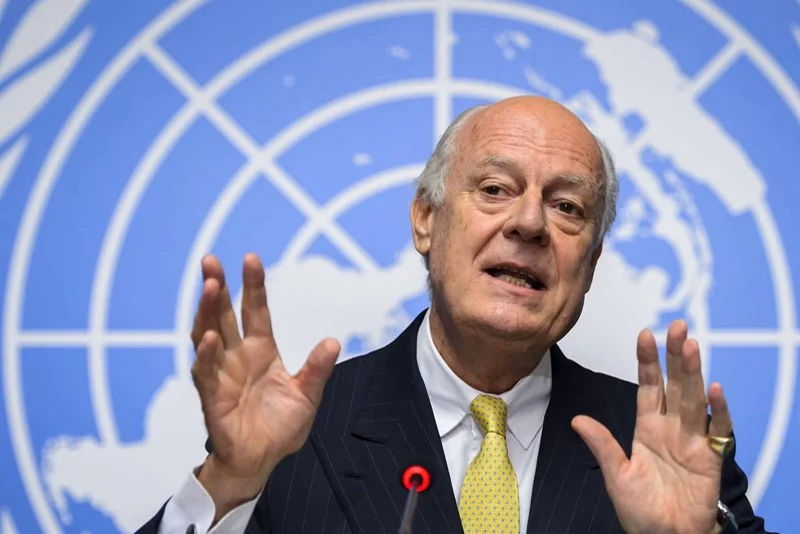
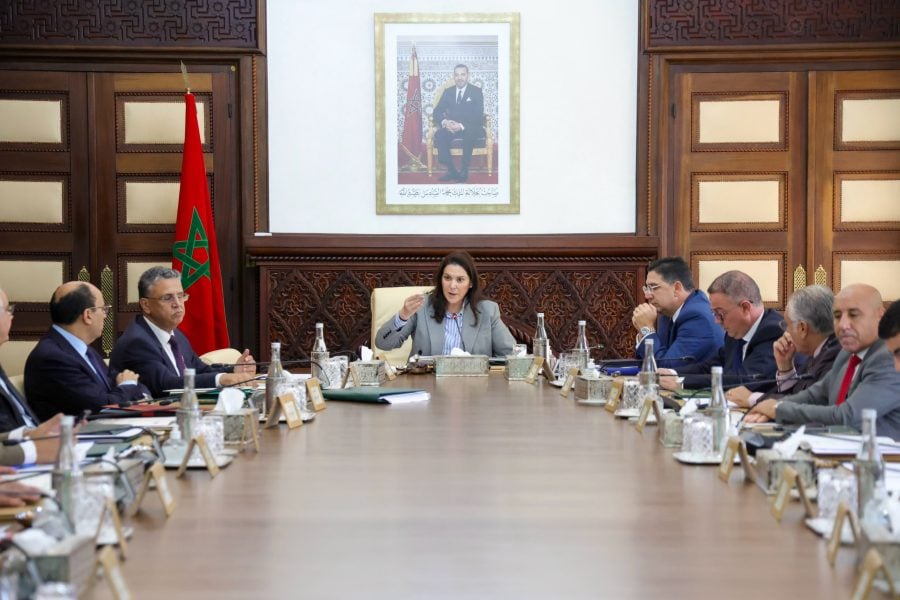
Senior presidential adviser Massad Boulos recently held a series of meetings with key stakeholders, including U.N. envoy Staffan de Mistura, Moroccan Foreign Minister Nasser Bourita and Algerian Foreign Minister Ahmed Attaf.
Notably absent from his agenda were the Polisario Front and Mauritania, which observers say reflects Washington’s narrowing of the negotiations to the principal actors.
Analysts say the move underscores a shift toward a more pragmatic U.S. approach, prioritizing actionable solutions and regional stability over symbolic representation.
“This victory for Moroccan diplomacy is the result of years of patient, effective work,” said political analyst Dadday Bibout. “The U.S. recognition of Morocco’s sovereignty over the Sahara is not a passing stance. It reflects a deep international conviction that the autonomy plan provides a fair, durable and realistic framework.”
Bibout added that the U.S. position has accelerated momentum toward a political settlement and highlighted Algeria’s responsibility as a main party in the conflict.
He argued that Morocco has demonstrated commitment through investment in development, human rights and governance in its southern provinces, while Sahrawis in the Tindouf camps remain in precarious conditions without legal protection.
Mohamed Fadel Bakkada, head of the Center for Political and Strategic Studies of the “Sahrawis for Peace” movement, said Washington’s stance aims at closing the file once and for all.
He pointed to three strategic pillars: defining the conflict strictly as one between Morocco and Algeria, reinforcing the legitimacy of Sahrawi tribal leaders and civil society under Morocco’s autonomy plan, and responding to growing international fatigue with outdated revolutionary rhetoric.
“This explains recent U.S. statements encouraging investment in the southern provinces,” Bakkada said. “These are not symbolic gestures, but a strategic vision aligned with international realities.”
The U.S. engagement comes as regional and global tensions heighten, from the Middle East to Ukraine. Observers say that Washington’s prioritization of Western Sahara signals its intent to strengthen stability in North Africa by backing Morocco’s proposal, which has gained growing support from other nations.


add your comment
Terms of publication : Not to offend the writer, people, sacred things, or attack religions or the divine self, and refrain from racist incitement and insults.