
Morocco has made significant strides in education and literacy over the past decade, though stark regional and social disparities remain, according to new data from the High Commission for Planning (HCP).
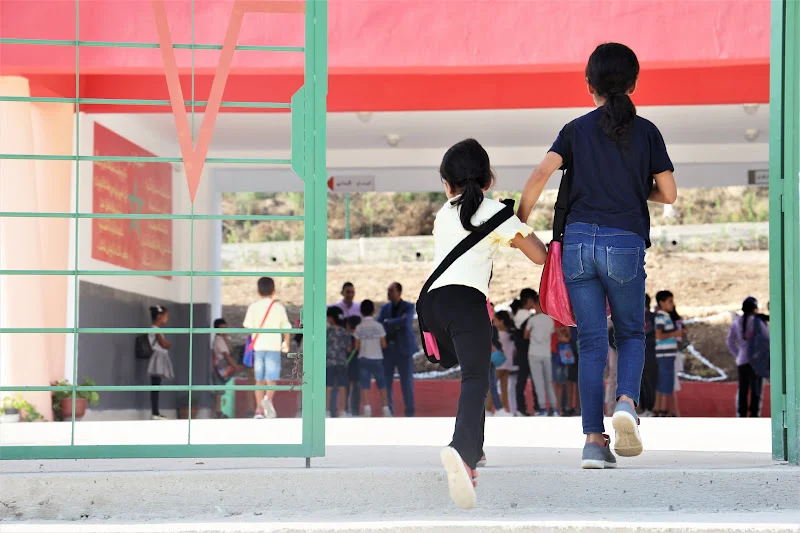
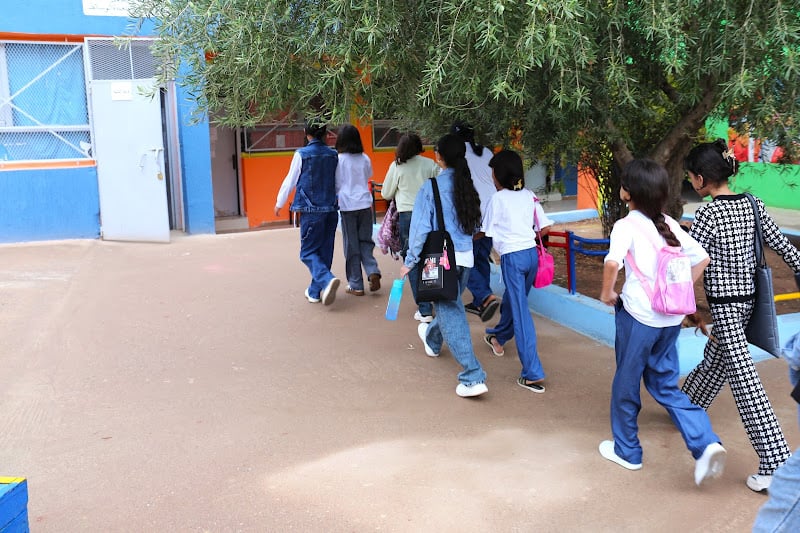
The commission’s Regional Socio-Demographic Atlas shows that school enrollment among children ages 6 to 11 rose from 94.5% in 2014 to 95.8% in 2024. The gains were strongest in rural areas, where enrollment jumped from 91.4% to 95.2%.
Girls also benefited, with their enrollment rate rising from 93.9% to 95.9%. Among rural girls, the rate climbed sharply from 90% to 95.1% over the decade.
Illiteracy declined nationwide from 32.2% in 2014 to 24.9% in 2024, with rural areas seeing a drop from 47.5% to 38.1%.
Urban illiteracy fell from 22.6% to 17.4%. By gender, the rate decreased from 42.1% to 32.5% among women and from 22.2% to 17.3% among men.
Despite the progress, illiteracy rates remain high in certain mountainous and inland regions. Rates exceeding 34% were recorded in provinces such as Figuig, Jerada, Boulemane, Khénifra, Azilal, Midelt and Tinghir.
Moderate levels, between 25% and 31%, were observed in provinces including Taounate, Sefrou, Chichaoua and Taroudant. The lowest rates, under 18%, were concentrated in major cities such as Rabat, Casablanca, Tangier and Marrakesh, as well as in parts of the southern provinces like Oued Ed-Dahab and Aousserd.
In higher education, the highest share of residents with advanced degrees — more than 11% — was found in major cities including Rabat, Casablanca, Marrakesh, Fez, Tangier and Agadir, along with southern provinces like Laayoune and Dakhla. Surrounding urban areas such as Salé, Temara, Mohammedia and Settat reported intermediate levels of 9–11%, while remote mountain and inland provinces fell below 6%.
The report also highlighted Morocco’s linguistic diversity. About 24.8% of the population uses an Amazigh language in daily life, with a much higher proportion in rural areas (33.3%) compared to urban centers (19.9%).





add your comment
Terms of publication : Not to offend the writer, people, sacred things, or attack religions or the divine self, and refrain from racist incitement and insults.