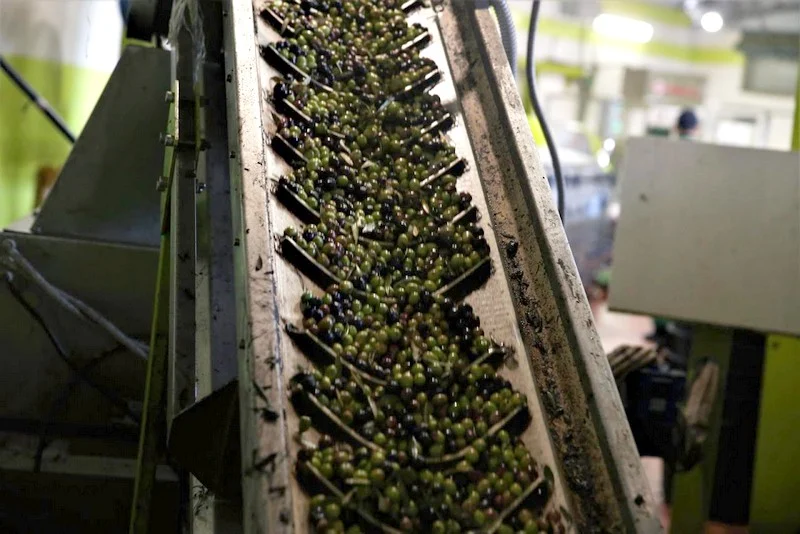
Spain’s olive oil industry is pushing back against a wave of online rumors linking its products to Morocco.
Viral posts have claimed that some of Spain’s best-known olive oil brands were mixing Moroccan olives into their bottles, a claim that producers say is completely false.
The controversy started when old bottles of Carbonell, Hojiblanca, and Koipe were shared online. Their labels said the oil came from olives “grown inside and outside the European Union.” Some users jumped to the conclusion that the “outside” meant Morocco. But Deoleo, the multinational behind these brands, told Spanish media that Morocco has never been a supplier.
The company explained that during the 2022–2023 season, Spain suffered extreme drought and heatwaves that cut harvests. To keep up with demand, Deoleo added oils from Chile, Argentina, and Tunisia, but Morocco was not involved.
Since August 2025, Deoleo says the three brands are back to working only with Spanish olives. To reinforce trust, Carbonell bottles now carry a QR code that lets customers trace the exact origin of the olives, the harvest campaign, and the packaging date.
Despite the company’s statements, the Moroccan angle keeps resurfacing online. The rumors have stirred debate because Spain dominates the global olive oil market, producing nearly 50% of the world’s supply.
The Spanish olive industry brings in around €3.2 billion each year and employs more than 40000 people. That scale means any suggestion of outside involvement, especially from Morocco, attracts attention on both sides of the Mediterranean.
While Spain’s Agriculture Ministry is studying a plan to limit sales in case of future oversupply, this has nothing to do with Morocco. Producers and farm unions stress that Spanish olive oil remains entirely local, and that rumors about Moroccan imports are just that, rumors.






add your comment
Terms of publication : Not to offend the writer, people, sacred things, or attack religions or the divine self, and refrain from racist incitement and insults.