
Less than two months before the start of the new agricultural season, Morocco’s water reserves continue to shrink despite a relative year-on-year improvement, according to updated data from the Ministry of Equipment and Water published Friday.
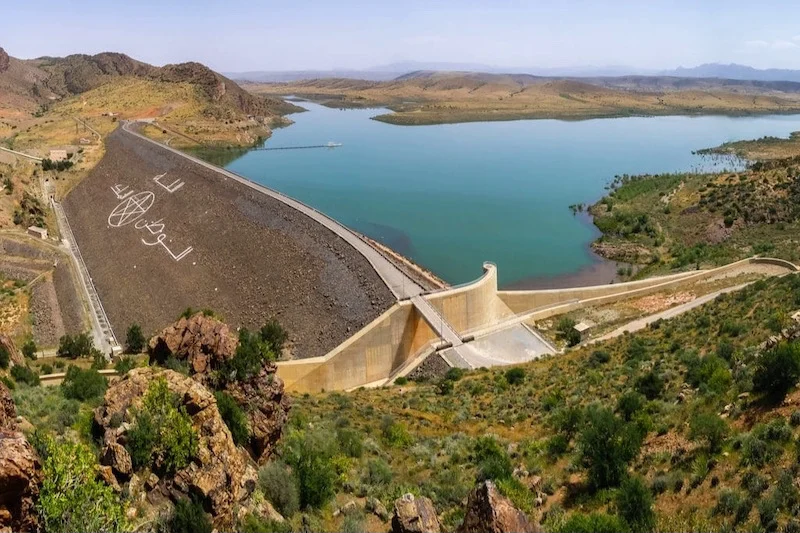
As of the end of August 2025, dam and reservoir filling levels stood at 33.99 percent, up from 27.56 percent at the same period last year. This represents an average increase of 6.4 percentage points across the country’s nine river basins.
However, between mid-June and late August, national reserves fell by nearly 800 million cubic meters, reflecting growing pressure from rising urban, peri-urban and rural water demand.
The data indicate a 12.1 percent drop in water storage during the summer period. Some basins remain critically low, including Oum Er-Rbia and Moulouya, where filling levels stay below 30 percent.
Major dams such as Al Wahda, Idriss I and Al Massira continue to hold significant volumes but remain well below their maximum capacity.
Speaking to Hespress, international water resources expert Mohamed Bazza warned that the downward trend raises concerns about supply capacity, particularly for drinking water, if rainfall remains scarce at the start of the farming season.
He noted that 74 percent of dam reserves are concentrated in the northern basins of Sebou, Bouregreg and Loukkos, underscoring the uneven distribution of available resources.
Bazza stressed that evaporation alone cannot explain the decline, estimating average annual losses at 35 million cubic meters from dams.
More critically, nearly one billion cubic meters are lost annually through evaporation in irrigation basins, threatening strategic reserves dedicated to agriculture.
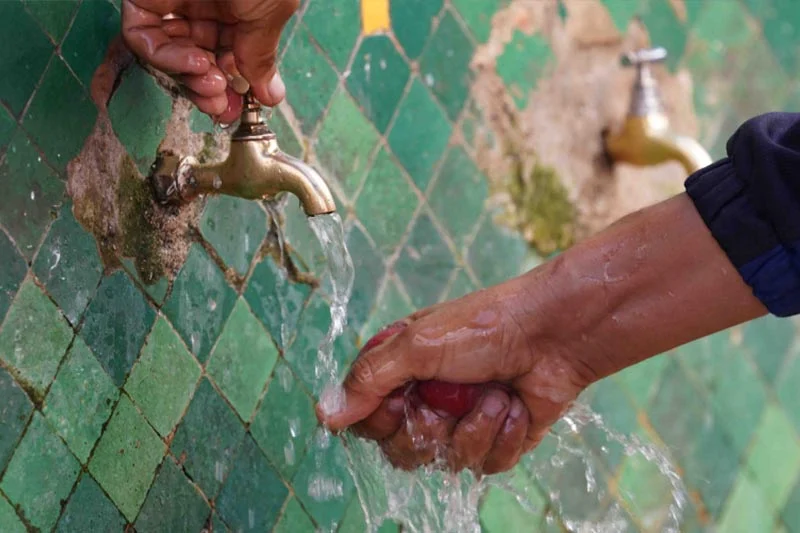
He added that most stored water is currently prioritized for drinking and industrial use, with irrigation only supplied when reserves cover at least two years of potable needs.
According to the expert, Morocco’s overall storage capacity remains limited and varies significantly across basins, with smaller systems such as Ziz-Ghris and Tensift far less equipped than Sebou or Bouregreg.
While the current situation is “relatively comfortable compared to last year,” Bazza underlined that water stress persists, with a “silent crisis” affecting rural populations dependent on overexploited, largely non-renewable groundwater.





add your comment
Terms of publication : Not to offend the writer, people, sacred things, or attack religions or the divine self, and refrain from racist incitement and insults.