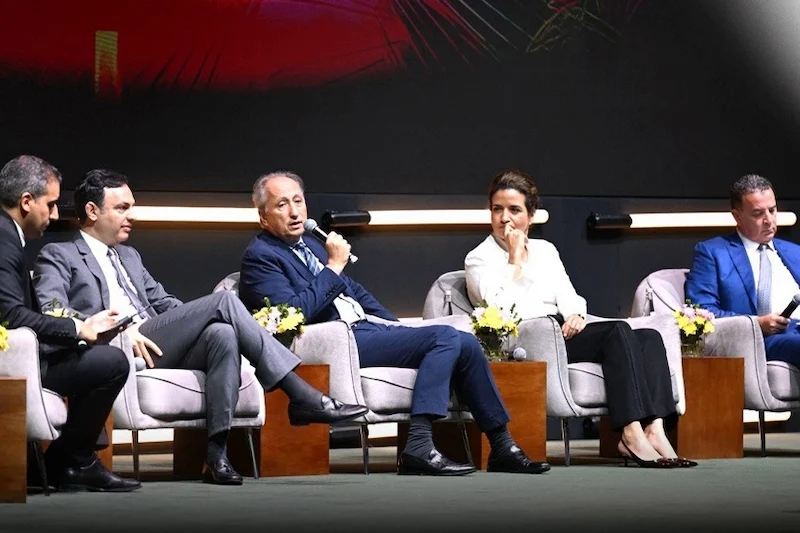
Top Moroccan ministers have declared artificial intelligence (AI) a strategic tool to reshape the country’s energy, education, and employment sectors, during the opening of Morocco’s first National Conference on Artificial Intelligence, held July 1–2 at Mohammed VI Polytechnic University in Rabat.
Held under the theme “An Efficient and Ethical AI Strategy Serving Our Society,” the conference brought together leaders from key ministries who emphasized that AI is no longer a futuristic concept, but an urgent priority as Morocco accelerates toward its 2030 development goals.
AI Fuels Morocco’s Energy Transition
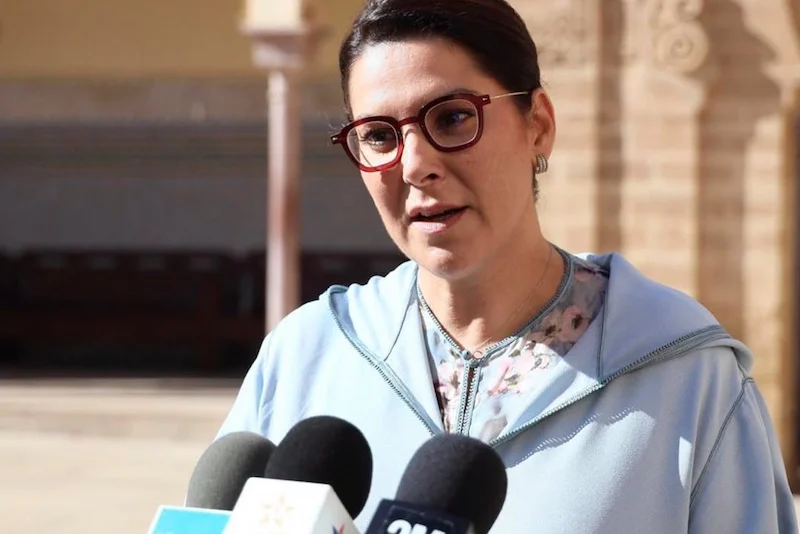
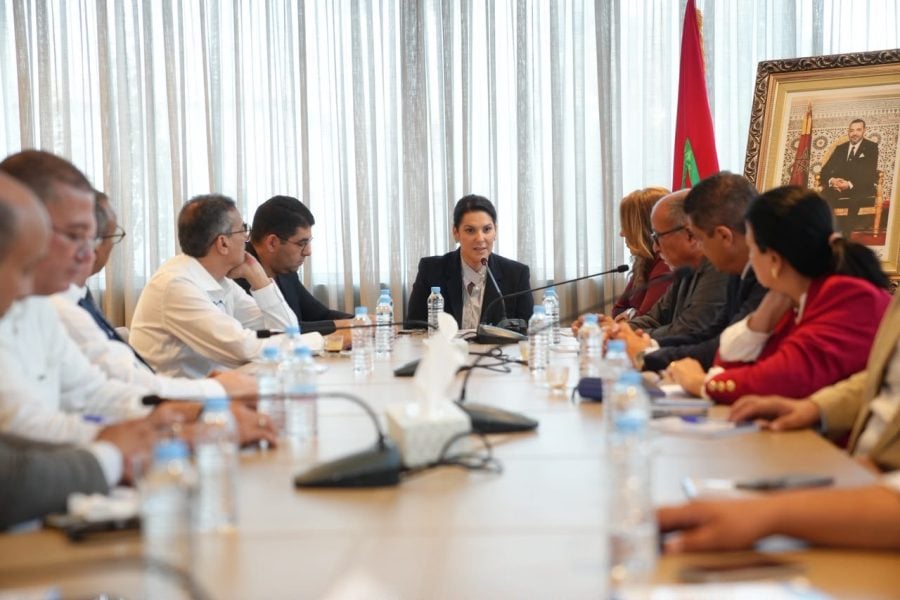
Energy Transition Minister Leila Benali highlighted Morocco’s ambitions to scale up AI integration in its renewable energy sector, noting a 40% increase in AI processor usage in wind power. “It’s no longer possible to consume and produce energy in the traditional manner,” Benali said, calling AI the linchpin for smart, sustainable development.
The minister stressed the importance of pairing technological innovation with cybersecurity, especially in sensitive sectors such as energy and finance. “Without energy, there can be no artificial intelligence, no servers, and no cloud,” she said. “Both must be developed in tandem.”
Morocco plans to double its electricity supply by 2030 by adding 60 gigawatts of capacity. The soaring demand driven by digital technologies—particularly in healthcare, agriculture, and education, requires a deeper partnership between the public and private sectors, Benali noted.
With the 2030 World Cup on the horizon, the minister underscored a vision for a digitally connected Morocco that embraces AI across public infrastructure while preserving quality of life.
AI Tackles School Dropout Crisis
Education Minister Mohamed Saad Berrada spotlighted AI’s role in combatting school absenteeism and dropout, which affects nearly 300,000 students annually. While schools collect daily attendance data, the information is rarely centralized or analyzed in real time.
“Now, for the first time, absenteeism data is stored in a system,” Berrada said. “That opens the door to real-time intervention.”
The minister emphasized that many dropouts result from poor academic performance or grade repetition, issues that AI-powered tools could help predict and address earlier in the academic year.
He outlined plans to use AI for “virtual tutoring,” where students receive personalized homework and educational support at home. AI will also be key in improving communication with families. “Sending a simple SMS doesn’t always work,” Berrada said. “But a voice message in Darija, Amazigh, or French can make all the difference.”
Berrada called for long-term planning in the education sector, leveraging algorithms and AI recommendations to better manage resources, ease the burden on school principals, and modernize curricula.
AI Redefines the Future of Work
Minister of Economic Inclusion and Employment Younes Sekkouri argued that AI should not be feared as a job killer, but rather embraced as a powerful force reshaping work models and increasing productivity.
“AI transforms the way we work. It’s about reallocating human effort toward what cannot be automated,” Sekkouri said. He emphasized the importance of training and upskilling as companies adapt to AI-driven change.
AI will play a central role in Morocco’s employment roadmap, supporting both job seekers and current employees in advancing their careers. Sekkouri urged policymakers to take bold steps beyond traditional legislation, advocating for more flexible time management, especially for younger generations who reject rigid 9-to-5 structures.
“AI redefines our relationship with time,” he said, calling it a key to greater personal well-being and professional efficiency.
Sekkouri added that AI-driven training tools can address high dropout rates and boost employment within a robust institutional framework. Morocco’s 2030 strategy, he said, places education reform, workforce training, and AI integration at its core.
A Nation Poised for AI Leadership
With its sights set on the 2030 World Cup and broader development goals, Morocco is positioning artificial intelligence not just as a tool, but as a foundation for societal transformation. From classrooms to power plants to job centers, ministers say AI will be central to building a smarter, more inclusive future.
The two-day national conference, which continues through July 2, marks the country’s most ambitious step yet in embedding AI into public policy, as Morocco signals its intent to lead in Africa’s digital transition.


add your comment
Terms of publication : Not to offend the writer, people, sacred things, or attack religions or the divine self, and refrain from racist incitement and insults.