
Morocco’s Minister of Culture, Youth, and Communication, Mohamed Mehdi Bensaid, announced that the government is finalizing a comprehensive legal framework to regulate digital platforms operating within the country.
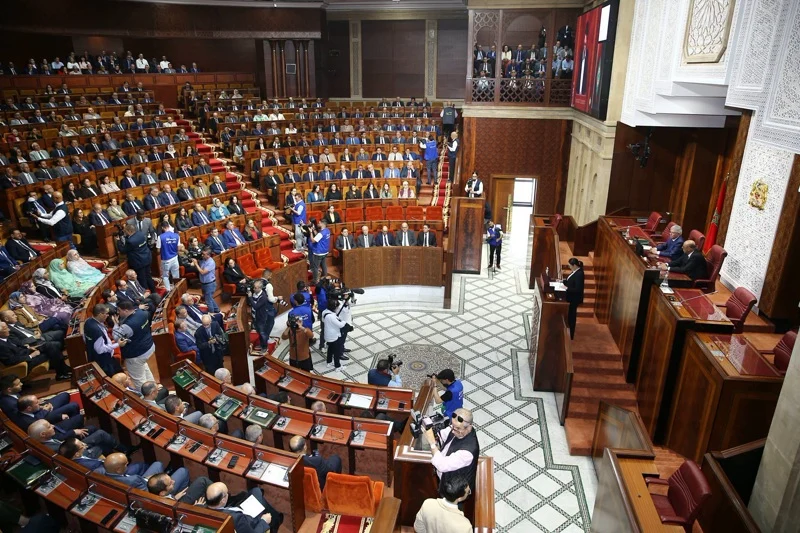
Speaking before the parliamentary committee on culture and education on Wednesday, Bensaid stressed the urgent need to address the risks posed by the unregulated proliferation of social media, while upholding freedom of expression.
The proposed legislation, still under preparation, would grant broader powers to the High Authority for Audiovisual Communication (HACA), empowering it to monitor and regulate digital content, even when platforms lack physical presence in Morocco, as long as their content targets Moroccan audiences or generates profit from local advertising markets.
Bensaid explained that the legal framework aims to bridge the current legislative vacuum exploited by foreign platforms by enforcing clear obligations on digital service providers.
These include appointing a legal representative within Morocco, submitting periodic reports on content moderation algorithms, handling user complaints, and sharing statistics on controversial or removed content.
Inspired by the EU’s 2023 Digital Services Act, Morocco’s draft law is expected to define precisely what constitutes a “digital platform” and impose content moderation requirements.
Platforms would be mandated to deploy automated tools to detect illegal or harmful content, ranging from fake news and hate speech to inappropriate material targeting minors.
They would also be required to offer effective user-reporting mechanisms and respond swiftly to flagged content.
The law would further compel platforms to adopt child-protection measures such as age-appropriate content classification, parental control tools, and bans on exploitative advertising. Bensaid emphasized that the regulation prioritizes “preventative responsibility,” allowing platforms to mitigate harm proactively while protecting young audiences from psychological or behavioral risks.
Financial accountability is also a central pillar of the law. Digital platforms profiting from Moroccan ad revenues would be required to file transparent tax declarations and comply with financial oversight by national bodies, including the Tax Directorate, Bank Al-Maghrib, and the Foreign Exchange Office.
“This framework,” Bensaid concluded, “seeks to assert Morocco’s digital sovereignty, ensure justice in platform regulation, and protect citizens from the growing social and economic dangers of the unregulated digital sphere.”





add your comment
Terms of publication : Not to offend the writer, people, sacred things, or attack religions or the divine self, and refrain from racist incitement and insults.