
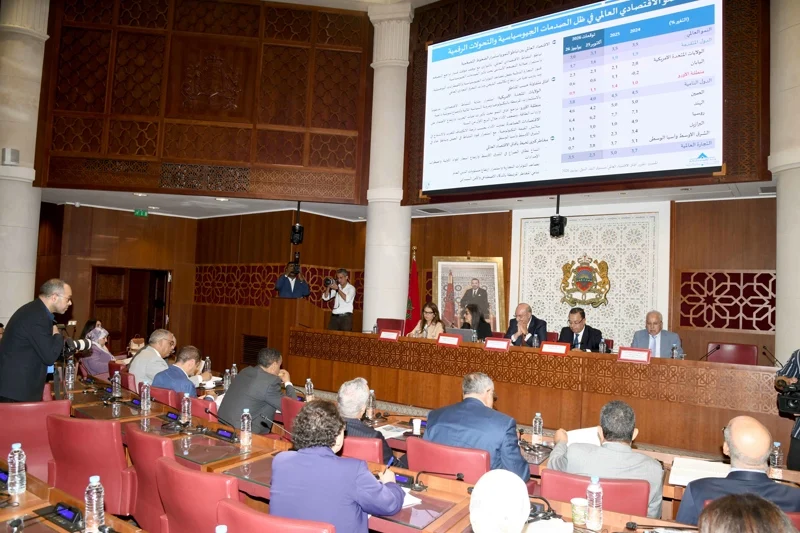
Despite Morocco’s massive spending on education, the results remain below expectations, according to a new study by the Policy Center for the New South.
The study revealed that governance issues are the biggest obstacle to effective education reform, making efforts less impactful than they should be.
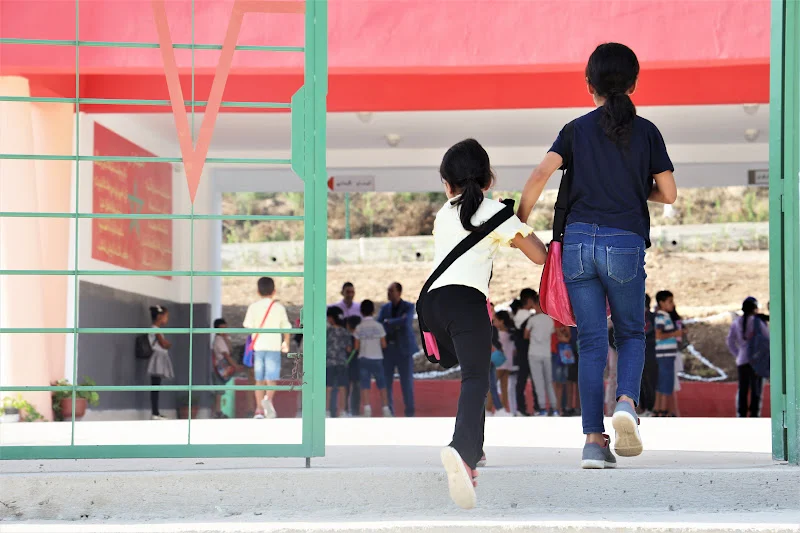
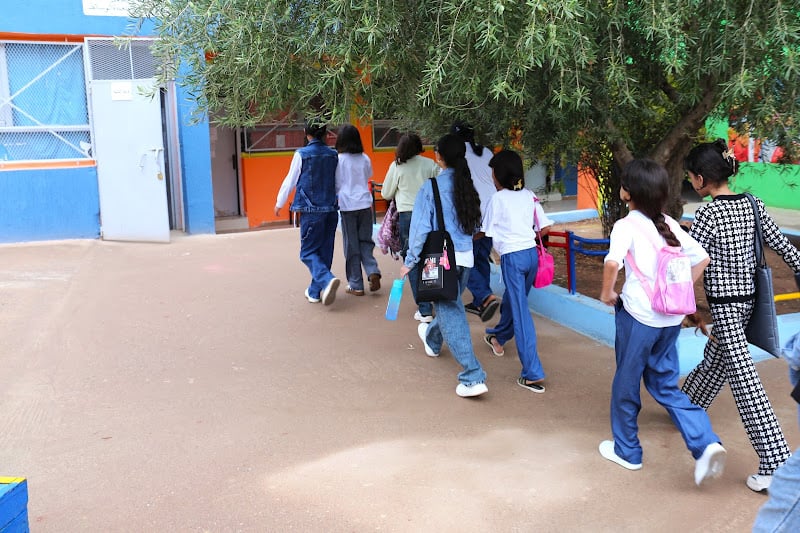
According to the report, Morocco’s education system accommodates over nine million students annually, with the state investing huge budgets to support it.
However, student performance remains among the weakest in the region, school dropout rates are still high, and graduate unemployment continues to be a major issue.
Economist Larbi Jaidi, the study’s author and a member of the Special Commission on the Development Model, explained that the problem is not a lack of funding but rather how resources are managed.
The report points out that Morocco’s education budget is growing faster than the overall state budget. Compared to many other countries, Morocco allocates a higher percentage of its GDP to education—yet the system underperforms.
The frequent shifts in education policy, often dictated by political and financial pressures, have also contributed to inconsistent reform efforts.
One of the key findings is that previous reform plans, such as the National Charter for Education and Training and the Emergency Plan (2009-2011), faced significant implementation challenges.
While the 2015-2030 strategic vision aimed for equity and quality in education, it struggled to translate these principles into concrete improvements.
Rural and marginalized communities remain particularly disadvantaged, with many children still facing barriers to education.
Looking ahead, the roadmap for education reform (2022-2026) aims to cut the dropout rate by a third and improve learning outcomes.
The study stresses that real change depends on strengthening governance, ensuring accountability, and creating a more inclusive, effective education system. Without these structural changes, the cycle of high spending and low returns is likely to continue.




add your comment
Terms of publication : Not to offend the writer, people, sacred things, or attack religions or the divine self, and refrain from racist incitement and insults.