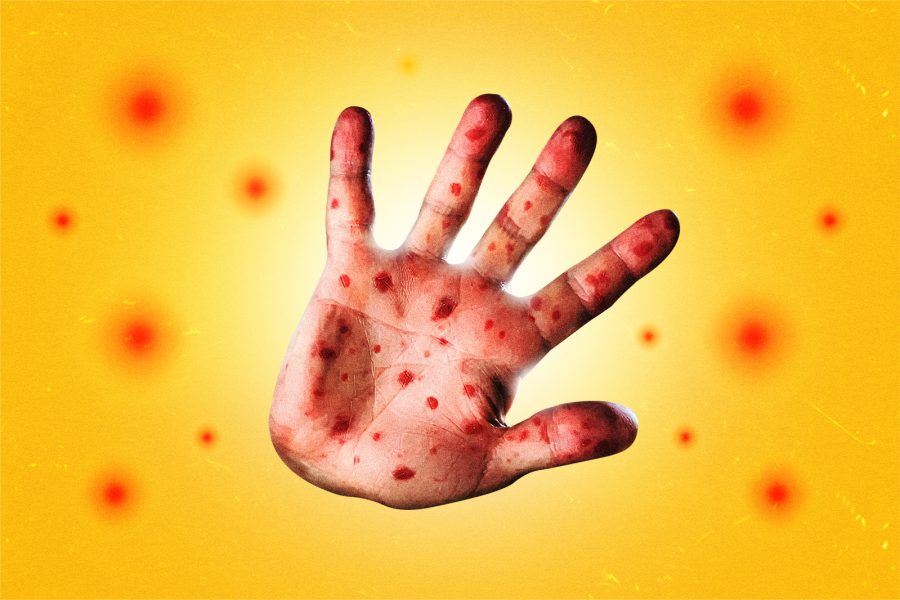
A 2023 outbreak of measles in Morocco, now labeled an epidemic, has become the worst since the 1980s, infecting 25,000 people and killing 120.
Plummeting vaccination rates and failure to meet the critical 95% immunization threshold are fueling Morocco’s measles resurgence, leaving no region hitting the target and some falling way below, resulting in 52.2 cases per 100,000 inhabitants and a 0.55% fatality rate, as of December 2024.
Experts say that COVID-19 didn’t just bring Morocco to a standstill—it disrupted immunization efforts, mirroring a global crisis where millions of children missed critical shots as families couldn’t access vaccination centers.
Globally, the first dose of the measles vaccine dropped to 83% in 2023 from 86% in 2019, with an estimated 107,500 deaths, mostly among unvaccinated children under 5, as immunization rates and disease surveillance plunged, according to the World Health Organization (WHO).
Here is what you need to know about Morocco’s battle against measles:
The current status of measles:
The measles situation in Morocco is now described as an epidemic, meaning it is now widely spreading across communities.
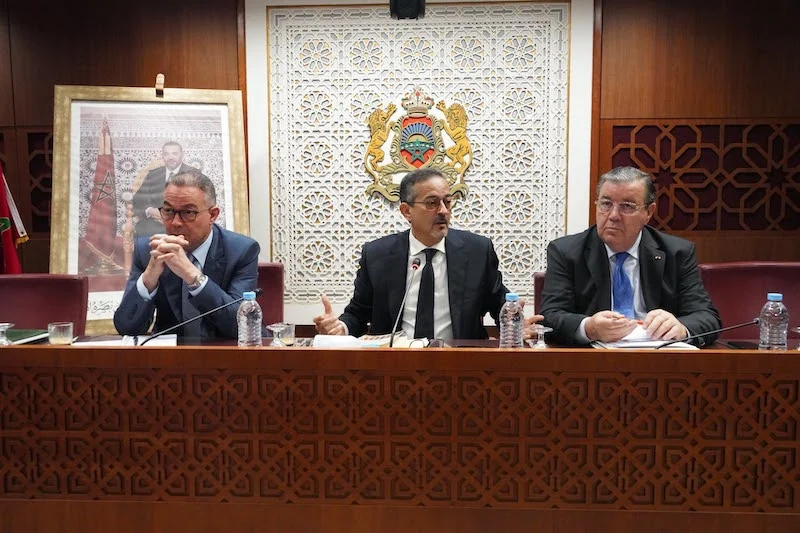
“With 25,000 cases recorded since September 2023—an abnormal spread of the virus compared to the 3-4 cases typically reported annually,” Mohamed El Youbi, Director of Epidemiology and Disease Control.
How does measles spread:
Measles is highly contagious—a sick child can infect 16 to 20 others through breathing, coughing, sneezing, or via contaminated hands and surfaces, explained Tayed Hamdi, physician and researcher in health policies and systems.
Unvaccinated or partially vaccinated children are highly susceptible to measles, and nationwide immunization rates below 95% create a breeding ground for persistent outbreaks.
Hamdi noted that measles poses the greatest risk to vulnerable populations, including young children under 5, pregnant women, individuals with weakened immune systems.
Why did measles reappear in Morocco?
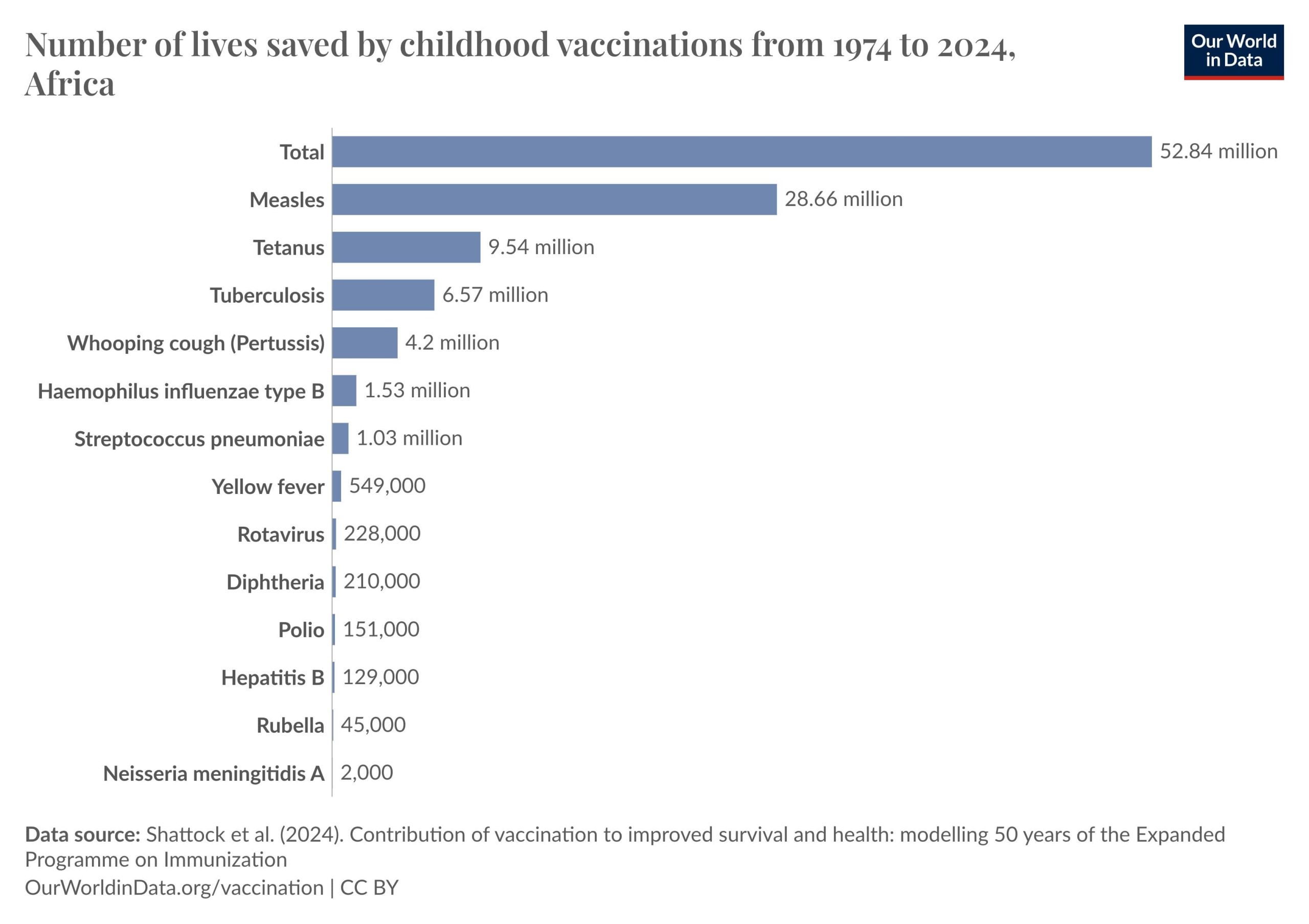
Morocco once led the global fight to eradicate measles, with vaccination rates exceeding 95%. In 2013, 11 million people were vaccinated, drastically reducing cases to just a few dozen by 2023. But, as immunization rates fell, regions like Souss-Massa and Al Haouz saw a resurgence, which has now spread across the country, Afif said.
Experts believe that the COVID-19 pandemic severely disrupted immunization programs, as lockdowns and restrictions limited access to health clinics, leaving many children either completely unvaccinated or missing crucial doses.
Vaccine hesitancy has also fueled measles’ return in countries that once controlled it. But Afif insisted the vaccine, proven safe and well tolerated for over 40 years now, is crucial—especially as misinformation drives Morocco’s surge.”
“The widespread dissemination of false information is scaring citizens away from vaccinations, often exaggerating rare side effects, which are typically minimal and common to all medicines,” warned government spokesperson Mustapha Baitas.
Hamdi linked the outbreak to a drop in disease surveillance, while Ali Lotfi, President of the Moroccan Network for the Defense of Health, blamed the Ministry of Health for failing to act after the WHO’s 2023 warning, leading to the spread of measles and tragic child deaths.
The president of the Moroccan Network argued that Morocco’s response to the measles crisis has been weak, with the lack of a clear, proactive national plan for outbreaks in schools, orphanages, prisons, and vulnerable communities worsening the situation.
Response and monitoring efforts:
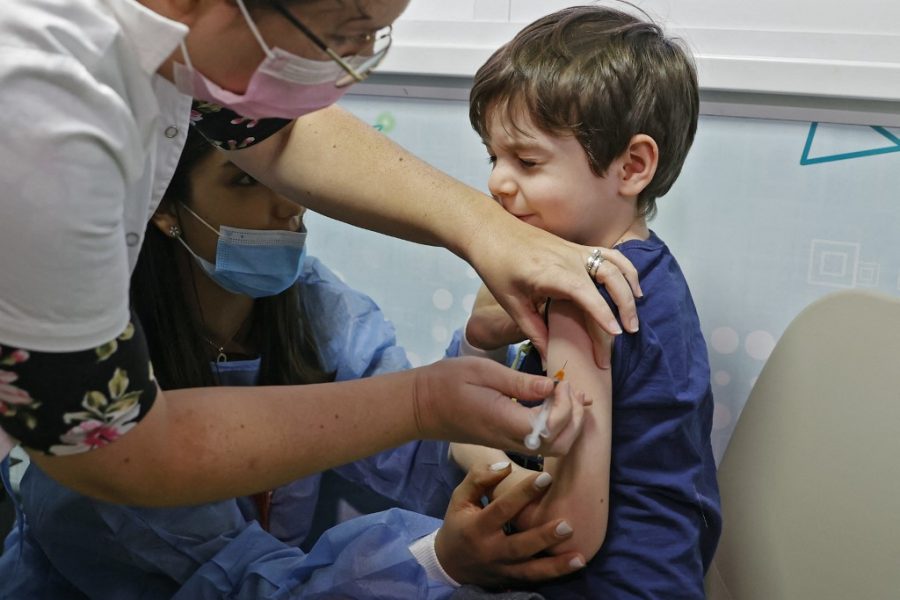
The Ministry of Health and Social Protection is working to restore vaccination coverage above 95%, with El Youbi announcing an extension of a previous program for four more weeks to assess the vaccination status of children aged 9 months to 14 years, both in schools and health centers
Baitas added that a national vigilance system has been set up, including 12 regional health emergency centers and the National Center for Emergency Public Health Operations.
A nationwide catch-up campaign is underway, alongside public awareness efforts to combat misinformation, with coordination between health, education, and interior ministries to vaccinate children under 12 and manage cases among close contacts.
What to do if you’re unsure about your vaccination track:
Measles spreads fast, but the good news is that vaccination can stop it. With the vaccine available to everyone, health experts urge full coverage to eliminate the epidemic and reach 95% immunity.
“If you’ve had one dose, get the second. No doses? Get two, a month apart, and if you’re unsure, an extra dose is totally safe,” Moulay Saïd Afif, pediatrician and member of the COVID-19 Vaccination Scientific Committee told Hespress EN.
How bad can the outbreak get:
As long as the immunity rate remains below 95% and the catch-up vaccination campaign doesn’t reach that threshold for children and adolescents, the virus will continue spreading like an epidemic.
“We will either reach this rate through vaccination or see the outbreak spread, resulting in fatalities, blindness, hearing loss, brain inflammation, and putting thousands of lives at risk while waiting for herd immunity,” warned Hamdi.
Morocco’s measles vaccination journey:
Morocco first introduced the measles vaccine in 1981, reducing annual cases from 120,000 to 4,216 by 1985. But, cases spiked again in 1987 to 26,621, prompting the launch of National Immunization Days, raising vaccination coverage from 73% in 1987 to over 90% by 1996.
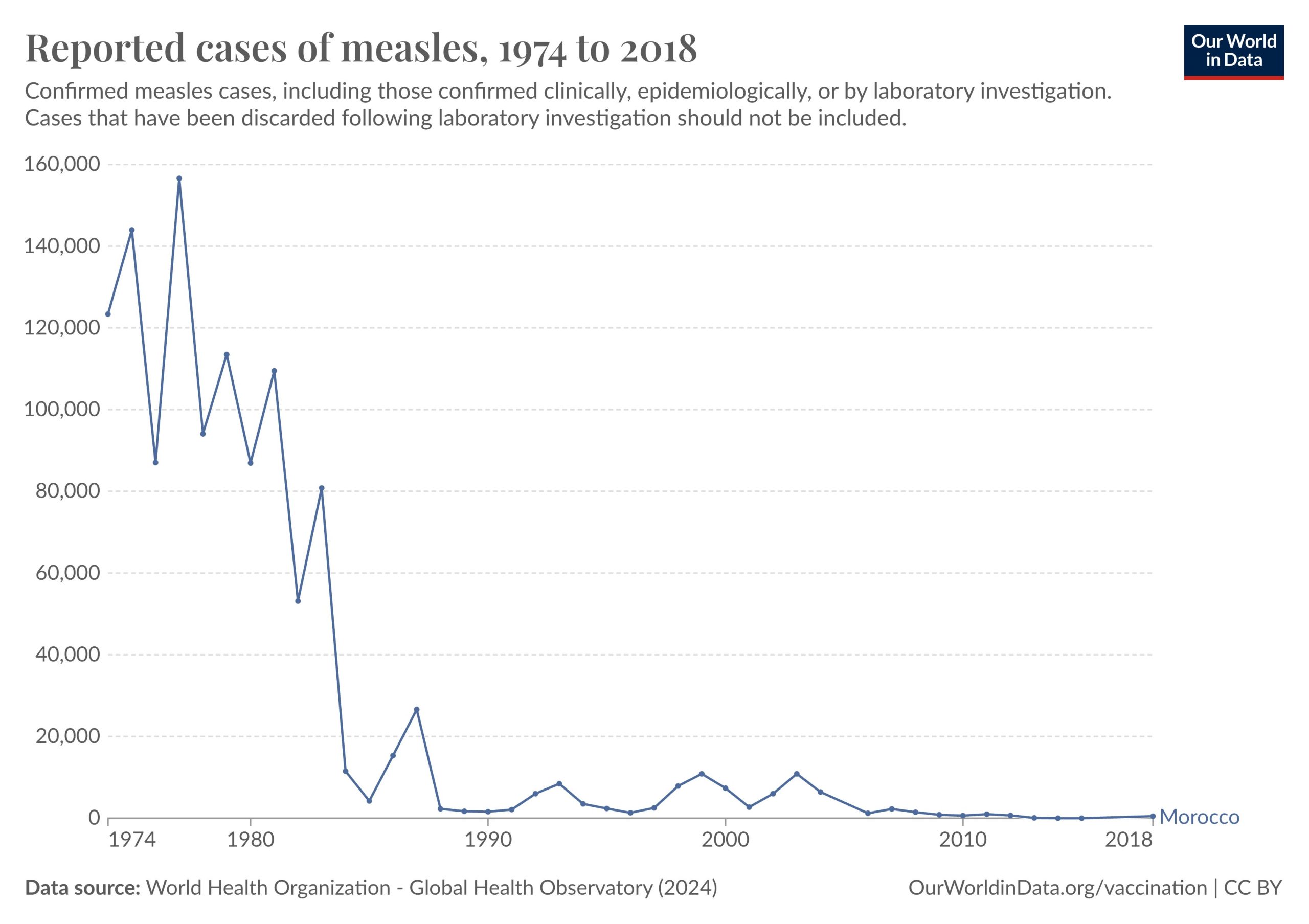
In 1997, Morocco joined the WHO’s Measles Elimination Program, continuing with a one-dose strategy that kept measles endemic, with epidemic cycles occurring every 4 to 5 years. Reported cases ranged from 1,324 in 1996 to 11,000 in 2003, with children aged 5 to 9 particularly affected.
In 2003, a second dose was introduced for children at school entry (age 6), reducing cases from 11,000 in 2003 to 1,217 in 2006, but a resurgence in 2007 saw cases rise to 2,248 due to imported and endemic strains.
In response, a mass vaccination campaign in 2008 targeted 3.547 million children aged 9 months to 14 years, The Ministry of Health had excluded children who received a second dose from 2003 till 2008.
The 2008 vaccination campaign in Morocco achieved 96% coverage for children 5-59 months and 100% for 5-14 years.
To track progress, Morocco established a national laboratory-based surveillance system in 2010, aiming to interrupt endemic transmission and reduce susceptibility in the population. In 2013, a mass vaccination campaign was organized, targeting children aged 9 months to 19 years.






add your comment
Terms of publication : Not to offend the writer, people, sacred things, or attack religions or the divine self, and refrain from racist incitement and insults.