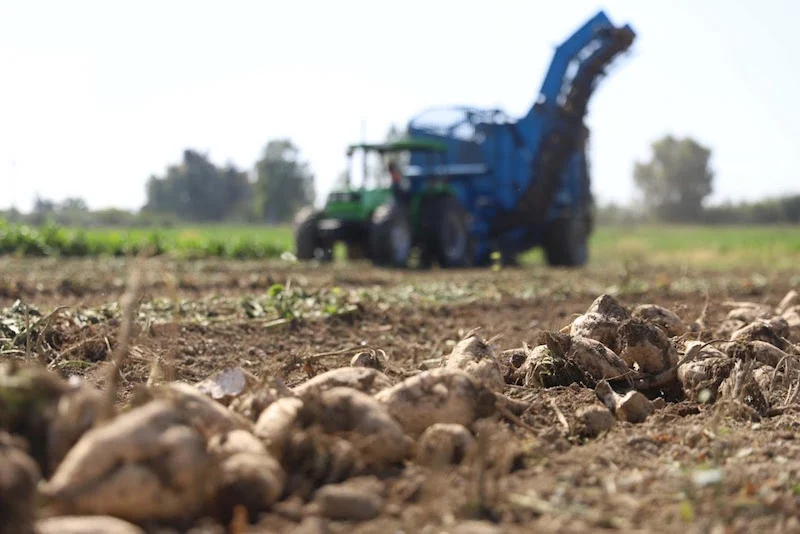
Morocco continues to face significant challenges linked to climate change, with prolonged droughts disrupting agricultural production and threatening wheat yields, according to a recent report by “The Green Prophet.”
The report highlighted that water shortages have significantly reduced grain cultivation in regions like Sidi Kacem, once the country’s agricultural hub. Satellite imagery from the Copernicus program revealed a sharp decline in farming activities in the area, a trend experts attribute to severe drought conditions.
“Drought has not only lowered crop yields but has also transformed Morocco’s agricultural landscape, creating economic and social challenges,” the report stated. In response, the government has implemented innovative strategies to address the water crisis and ensure food security.
Morocco’s agricultural sector remains highly vulnerable to climate change, including irregular and delayed rainfall, the report noted. These factors have reduced cultivated land areas, causing automatic declines in yields and forcing many farmers to either scale back or abandon their farms.
The report also revealed that Morocco’s reliance on wheat imports has grown due to domestic shortfalls. France, a key supplier, faces its own grain production challenges, raising sustainability concerns. In 2023, Morocco ranked as the world’s sixth-largest wheat importer.
Recognizing the risks of drought and water scarcity, the Moroccan government has adopted a national water management strategy under the guidance of King Mohammed VI. This plan aims to mitigate the effects of drought through water conservation initiatives and diversifying resources.
A cornerstone of these efforts is desalination. Morocco currently operates 12 desalination plants with a combined annual capacity of 179.3 million cubic meters. To further address water challenges, the government is developing additional desalination facilities.
As climate challenges persist, Morocco’s efforts to safeguard its agricultural sector and water resources underscore the critical need for sustainable solutions in the face of a warming planet.







add your comment
Terms of publication : Not to offend the writer, people, sacred things, or attack religions or the divine self, and refrain from racist incitement and insults.