
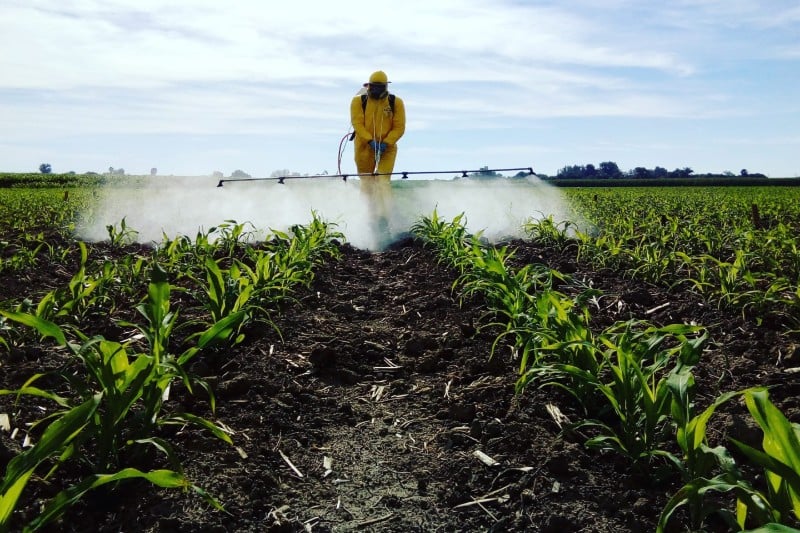
In 2023, Syngenta, a global agrochemical company, exported thousands of tons of pesticides banned in the U.K. to several countries, including Morocco, sparking concerns over public health, worker safety, and environmental sustainability.
An investigation by Greenpeace and Public Eye revealed that Syngenta’s U.K. subsidiary exported approximately 8,500 tons of banned pesticides last year. The exports included thiamethoxam, a neonicotinoid insecticide, and diquat, an herbicide. Both substances have been prohibited in the European Union and the U.K. due to their significant health and environmental risks but remain widely produced for export markets.
Thiamethoxam, banned in Europe in 2018, is infamous for its devastating effects on bees and other pollinators critical to agricultural productivity. Greenpeace and Public Eye reported that around 374 tons of this pesticide were exported in 2023, enough to cover an area larger than England.
The use of thiamethoxam in Morocco poses significant risks to biodiversity and agricultural yields, as pollinator populations continue to decline under the pesticide’s impact.
Diquat, banned in the U.K. since 2018, is linked to severe human health risks, including eye damage, neurological disorders, and chronic illnesses. Over 5,000 tons of diquat were exported in 2023, primarily to developing countries. Its application threatens not only agricultural workers exposed to the chemical but also soil quality and water resources in Morocco.
As agriculture constitutes a significant portion of Morocco’s GDP and employs millions, particularly in rural areas, the introduction of such chemicals presents long-term risks. Declining pollinator populations could reduce crop yields, exacerbating food insecurity.
Meanwhile, health risks for agricultural workers remain a pressing concern, with limited access to protective equipment and health care in rural regions.
In response, environmental and public health advocates are urging Morocco to strengthen regulations on pesticide imports and usage. Morocco could follow the lead of countries like France and Belgium, which have banned not only the use but also the export of such hazardous substances.
This approach would prevent dangerous chemicals from entering the Moroccan market and encourage sustainable agricultural practices.
The export of banned pesticides raises ethical questions about the responsibility of multinational corporations like Syngenta. Critics argue that exporting chemicals deemed too dangerous for domestic use to countries with weaker regulatory frameworks exploits global inequities.
For Morocco, balancing economic development with environmental sustainability is crucial. Strengthening local standards, improving import controls, and promoting awareness among farmers could mitigate the harmful effects of these chemicals. Investing in organic farming and environmentally friendly pest management alternatives could also pave the way for a more sustainable and competitive agricultural sector on the global stage.





add your comment
Terms of publication : Not to offend the writer, people, sacred things, or attack religions or the divine self, and refrain from racist incitement and insults.