
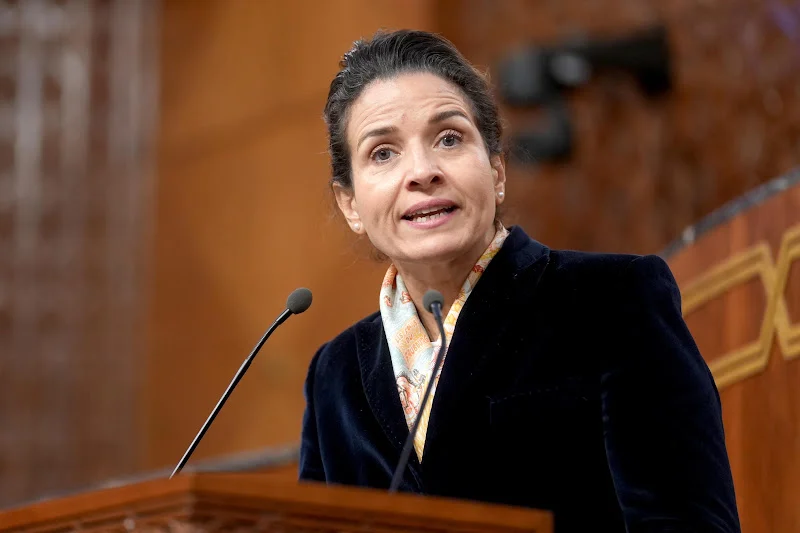
Climate insurance is a key element of disaster prevention, stated Leila Benali, Minister of Energy Transition and Sustainable Development, on Thursday in Baku.
Speaking at a side event held alongside COP29, Benali emphasized the need to broaden access to insurance to address the impacts of climate-related disasters, particularly for the most vulnerable populations.
“Climate-related insurance will become increasingly unaffordable, even for the middle class,” she warned at this side event, which took place at the World Bank pavilion, in partnership with the International Monetary Fund and the Financial Times.
In this context, Benali highlighted Morocco’s successful experience following the 2023 earthquake in terms of resilience and compensating affected populations. She recalled the establishment of the Kingdom’s Solidarity Fund Against Catastrophic Events, an “essential” measure within the framework for covering the consequences of disasters.
For his part, Isaac Anthony, CEO of the Caribbean Catastrophe Risk Insurance Facility (CCRIF), noted that insurance can cover various phenomena, including hurricanes, earthquakes, and excessive rainfall, stressing the need for good governance and financial stability to achieve strategic objectives for compensating victims of climate disasters.
Amy Barnes, Head of Sustainable Development and Climate Change Strategy at Marsh, emphasized the importance of public-private partnerships to strengthen the insurance system, given the lack of access to resilience resources. She also called for incorporating a gender-sensitive approach in developing climate finance projects.
The 29th session of the United Nations Framework Convention on Climate Change (UNFCCC) Conference of the Parties (November 11-22) is primarily focused on climate finance, given the need to enable all countries to reduce greenhouse gas emissions and protect lives and livelihoods from the worsening effects of climate change, especially for vulnerable communities.v





add your comment
Terms of publication : Not to offend the writer, people, sacred things, or attack religions or the divine self, and refrain from racist incitement and insults.