
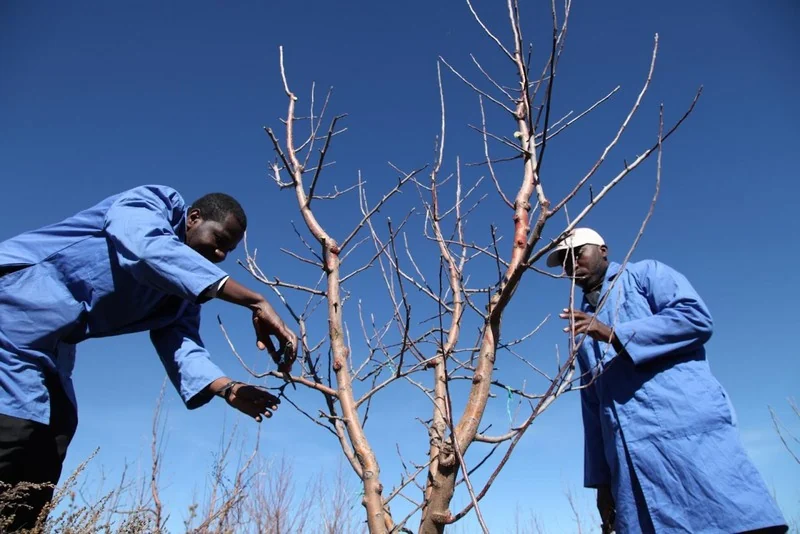
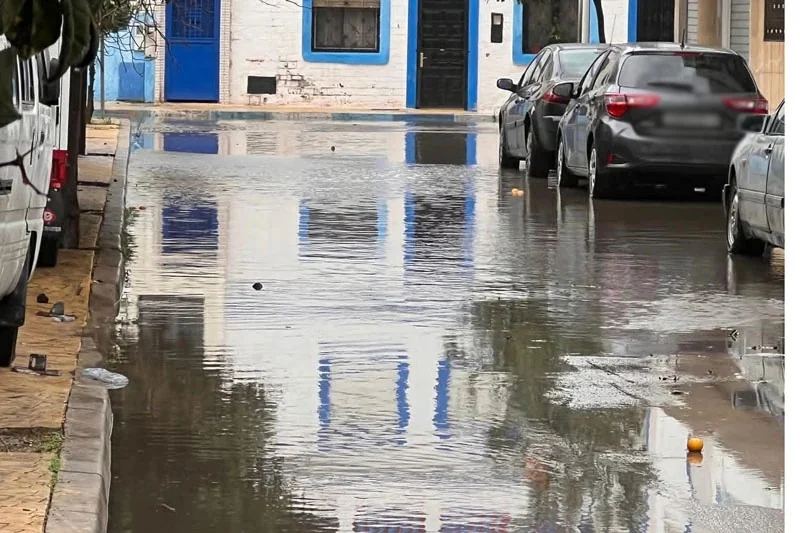
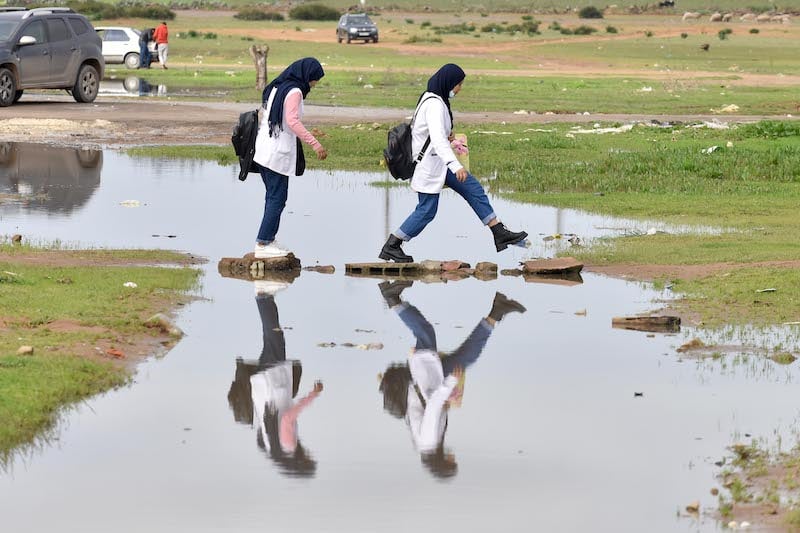
The heavy rainfall over the past weekend, expected to continue this week, has renewed hopes among Moroccan farmers for a successful agricultural season, encouraging them to begin plowing and planting activities, especially in dryland areas.
These recent rains, which followed several months of intense heat, are crucial due to their timing and continuity during September and October, signaling the start of a promising agricultural season.
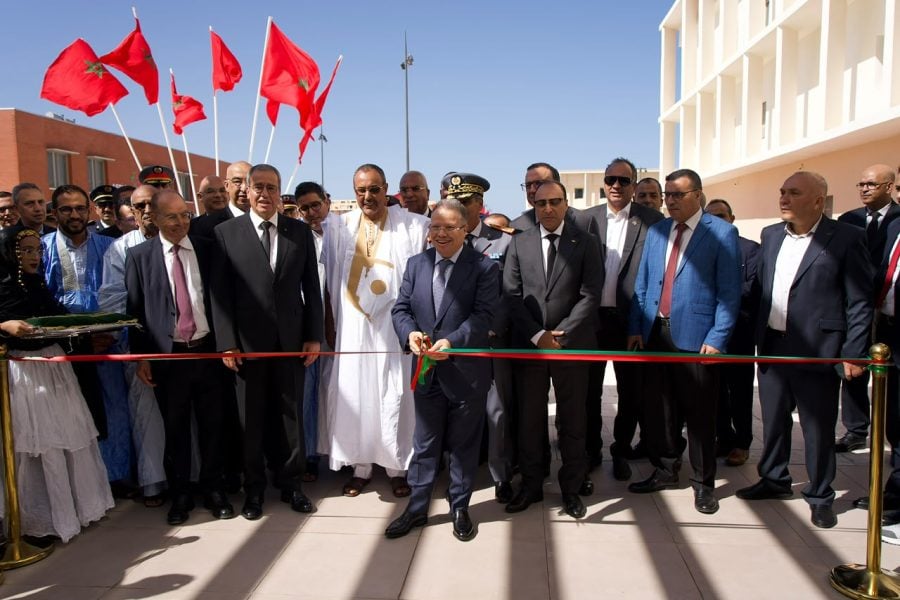
The rainfall coincided with a leadership change in the Ministry of Agriculture, with Ahmed El Bouari appointed as the new minister. He recently oversaw the official launch of the 2024/2025 agricultural season in the Saïss plain, emphasizing that specific measures would be taken for each production chain to enhance and revitalize them, in consultation with industry professionals.
According to official data shared by the ministry, about 1.26 million quintals of certified seeds for autumn crops will be supplied at incentivized prices, reflecting a 3-5% decrease compared to the previous season.
The national direct seeding program aims to cover 260,000 hectares this season, with a target of reaching one million hectares by 2030. Additionally, multi-risk agricultural insurance will continue to cover approximately 50,000 hectares of fruit trees.
To ensure a successful season, the ministry also committed to supporting the acquisition of seeds and seedlings for round tomatoes, onions, and potatoes.
Impact of Rainfall on Fall Crops
Nor al-Din Fadil, a member of the Casablanca-Settat agricultural chamber, noted that the recent rainfall has positively impacted fall crops, improving yield and providing relief for farmers who previously faced water shortages during crucial periods of the agricultural season.
He emphasized that the initial results of the rainfall are promising, with improvements in groundwater levels, which will be utilized in agricultural activities in the coming days.
Fadil also pointed out the positive effects of the rainfall on seasonal vegetable and fruit production, predicting that production costs would decrease significantly compared to last year, benefiting farmers.
Indicators of Hope
Agricultural expert Mohammed Derqaoui confirmed the positive impact of the recent rainfall and snow on agricultural production and systems. He described the rains as a sign of hope, motivating farmers to engage actively in their activities. However, he cautioned that more rain is needed, especially following the dry, hot months.
Derqaoui highlighted that the ministry’s commitment to continuing support for grain and pulse farmers, as well as providing subsidized fodder, raises further optimism among farmers reliant on dryland products.
He noted that rainfall in October and September typically alleviates pressure on key vegetable production chains, particularly for tomatoes, onions, and potatoes. Pulses also benefit significantly from timely rains during their growth phases.
Looking ahead to November, Derqaoui expressed optimism that consistent rainfall across various agricultural regions could further enhance conditions, advocating for intensified official support and the adoption of modern agricultural research solutions and techniques to boost productivity at lower costs.
Overall, the autumn rains significantly contribute to providing fodder and vegetation cover for livestock, as well as replenishing groundwater supplies.






add your comment
Terms of publication : Not to offend the writer, people, sacred things, or attack religions or the divine self, and refrain from racist incitement and insults.