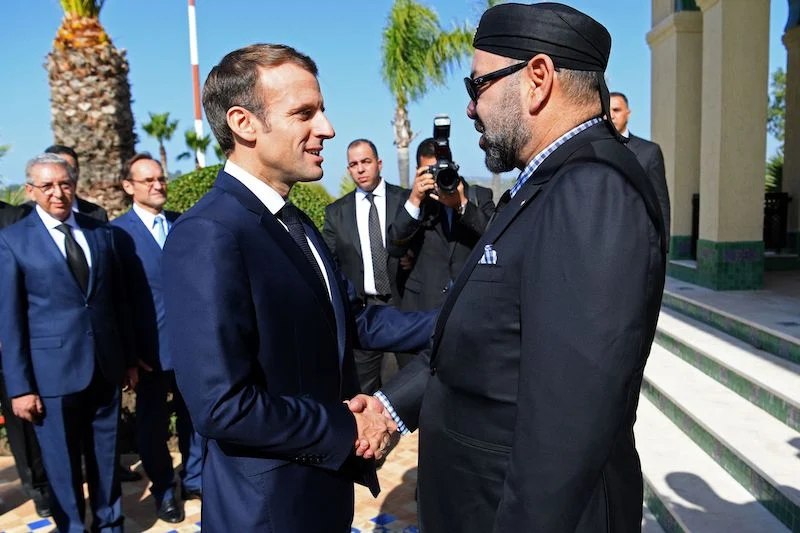
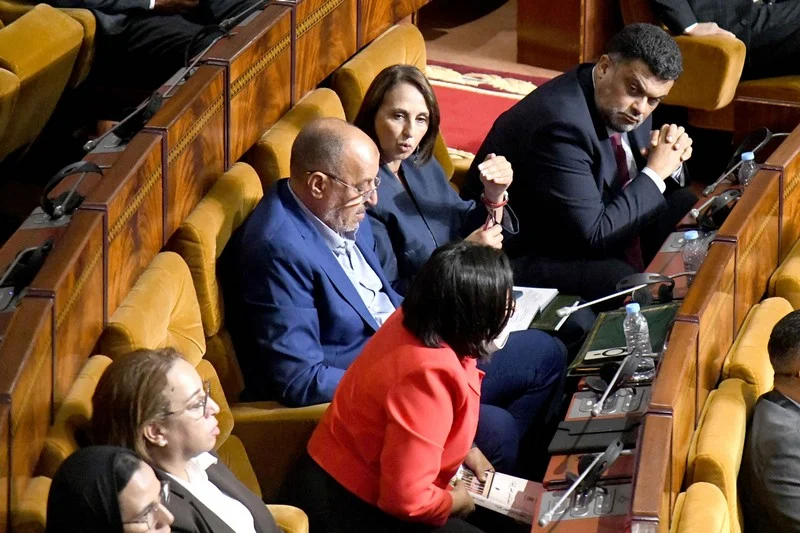
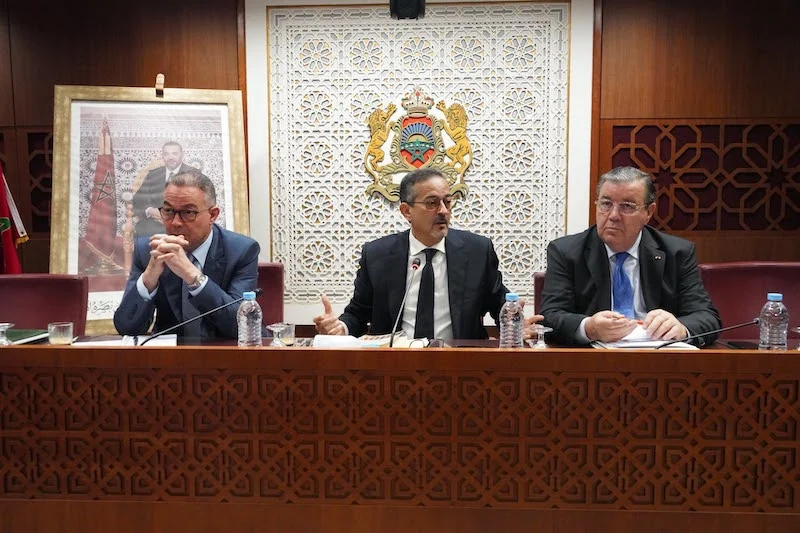
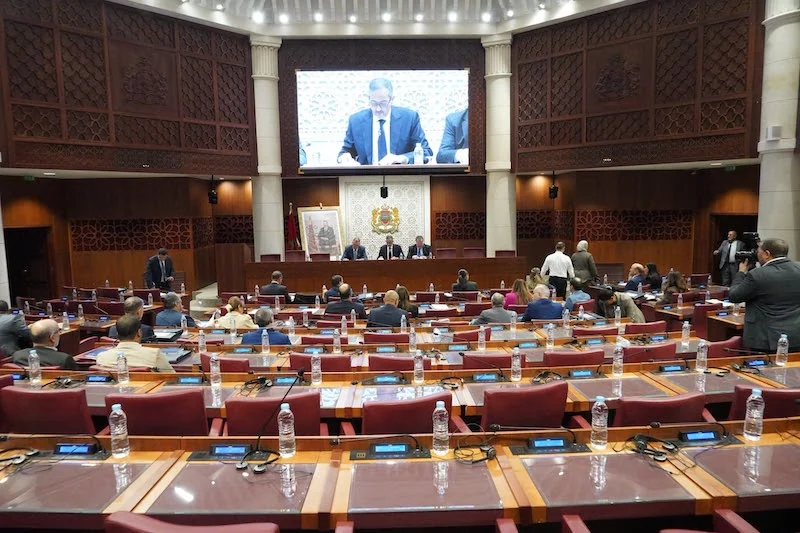
Part of the agenda for French President Emmanuel Macron’s state visit to Morocco includes delivering a speech before the joint session of both chambers of Parliament next Tuesday.
From a constitutional perspective, convening Parliament in a joint session to hear speeches from heads of state is permissible, as outlined in Article 68 of the Constitution, which states that ”
Politically, gathering parliaments to listen to guest presidents’ speeches is a customary practice adopted by many nations.
Macron will become the fourth French president to address the Moroccan Parliament, following Nicolas Sarkozy, François Hollande, and Jacque Chirac, who was the first to do so in 2003 during his official visit—this was in response to a speech delivered by the late King Hassan II before the French Parliament in 1996.
The decision to grant this constitutional privilege to the French president, despite joint sessions typically being reserved for the King’s speech at the opening of the autumn session, reflects several important considerations, writes political analyst Omar Charkaoui on social media.
Permitting Macron to address Parliament acknowledges and appreciates France’s support for Morocco’s territorial integrity, continuing the themes expressed in the King’s parliamentary address.
This also aligns with the protocols of state visits, representing the highest form of diplomatic engagement between heads of state.
Furthermore, it reaffirms Macron’s esteemed position in Morocco, both from the royal and institutional perspectives, especially following his courageous stance on the Moroccan Sahara issue—traditionally a privilege for select presidents.
The speech also prepares a democratic space for Macron to reaffirm France’s new position toward Moroccan representatives and provides him the opportunity to commend the significant political, economic, social, and diplomatic reforms taking place in Morocco under the leadership of His Majesty King Mohammed VI, said Cherkaoui







add your comment
Terms of publication : Not to offend the writer, people, sacred things, or attack religions or the divine self, and refrain from racist incitement and insults.