
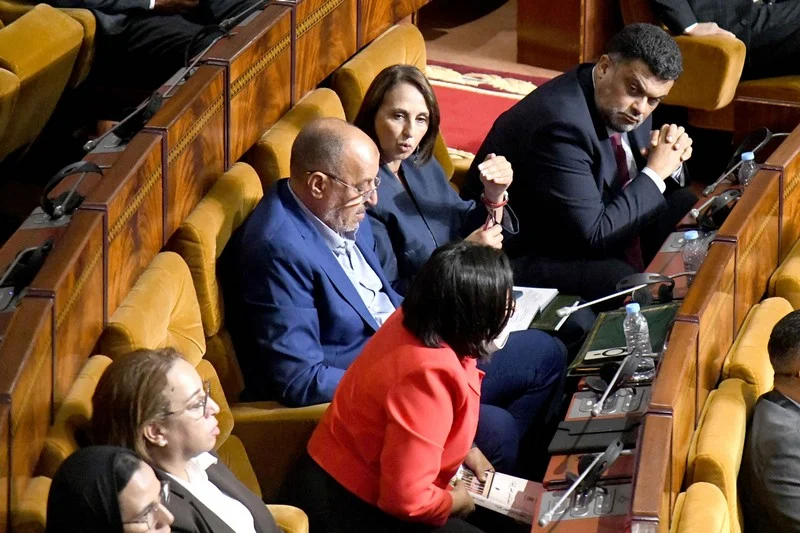
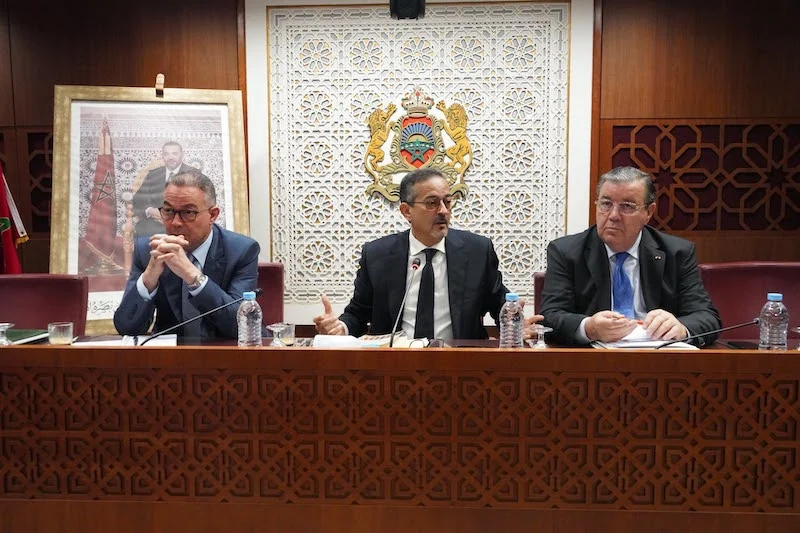
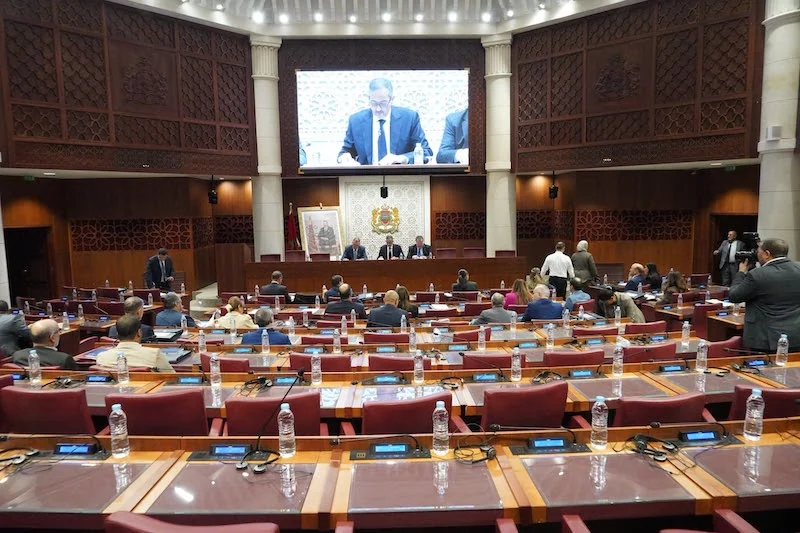
The Moroccan Parliament is set to reconvene on Friday, marking the beginning of a new legislative session. The opening will be highlighted by a royal speech, traditionally outlining the legislative agenda and setting the tone for the subsequent year.
High hopes are pinned on the upcoming fall and spring sessions to address a range of pressing issues, particularly those related to the country’s economic and social landscape.
Meanwhile, the issue of ethical conduct within the parliament continues to loom large. As the new session begins, several members of parliament remain embroiled in legal proceedings, some under arrest and others on bail.
These ongoing cases have raised questions about the integrity of the legislative body and the compatibility of holding public office while facing criminal charges.
The Constitutional Court has previously stripped several lawmakers of their seats due to legal convictions, but some members have continued to face legal challenges.
The court’s decisions have sparked debates about the appropriate balance between the presumption of innocence and the need to maintain public trust in elected officials.
The King’s recent address to the Parliament on the occasion of its 60th anniversary said that ethical conduct is paramount and called for the adoption of a code of ethics for parliamentarians.
This royal directive has generated significant discussion within and outside of the legislative body as newly elected members, including Saad Benmbark and Saleh Hanin, will take their seats in the parliament. Benmbark won a by-election in the Mohammedia constituency, while Hanin secured a seat in Fkih Ben Salah.
Idriss Sentissi, Head of the parliamentary group of the opular movement in the house of representatives, expressed concerns about the integrity of parliamentary life, particularly in light of legal cases involving members of parliament.
“Those in prison will undoubtedly be absent, and the status of those facing charges outside of jail remains to be seen,” Sentissi told Hespress Ar.
The MP proposed a solution to enhance parliamentary integrity, suggesting, “With respect to the House of Representatives, we propose that a conflict of interest be enforced between the parliamentary role and membership in local authorities, regardless of the size of the population served.”
Sentissi said that membership in local councils often negatively impacts MPs’ performance in parliament. He pointed out that many MPs are involved in legal cases related to their local management roles.
Mohammed Chouki, the leader of the National Rally of Independents group in the House of Representatives, has stated that parliament has previously advocated for the implementation of a code of ethics for its members and a general improvement in political conduct within the legislative body.
Addressing the presence of MPs facing legal charges, Chouki said that ‘the parliament cannot be separated from the society it represents. All societies have individuals facing legal issues. The judiciary is the body responsible for making decisions in these cases and will do so based on its authority.”





add your comment
Terms of publication : Not to offend the writer, people, sacred things, or attack religions or the divine self, and refrain from racist incitement and insults.