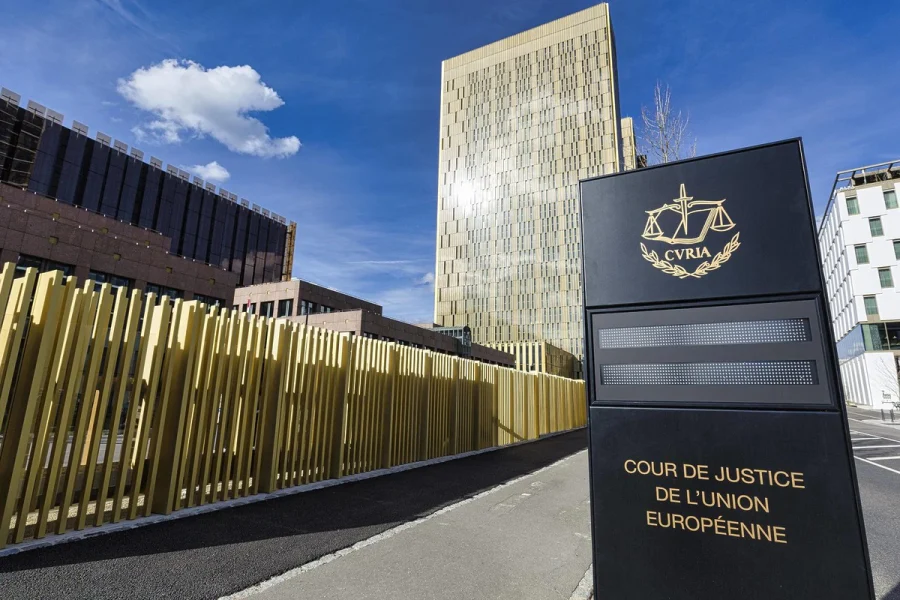
The European Court of Justice ruled on Friday that trade agreements between the European Commission and Morocco are invalid after legal challenges brought by the Polisario Front, which claimed to represent the right to self-determination by Sahraoui populations.
Friday’s decision is the final ruling after several appeals by the Commission, and the latest after a ruling by the Court in September 2021 that declared the agreement invalid.
The EU and Morocco signed a fishing and agriculture agreements with Morocco in 2019 that also covered products from the Sahara.
On July 17, 2023, the fisheries agreement protocol between Morocco and the European Union expired.
Under the terms of this protocol, Morocco received an annual payment of 208 million euros in exchange for allowing approximately 128 European fishing vessels to operate in its Atlantic territorial waters.
The annual catch under this agreement typically ranged between 80,000 and 100,000 metric tons.
Spain, along with four other European nations, has openly supported the legality of the existing agreements with Morocco.
Spanish fishing professionals have long voiced frustration over the expiration of the fishing protocol with Morocco, which previously allowed them to operate in Moroccan waters.
Luis Planas, the Spanish Minister of Agriculture, Fisheries, and Food, dismissed any notion that a CJEU decision could jeopardize the positive and stable relationship between the two countries.
“Regardless of the outcome of tomorrow’s ruling, our relations with Morocco and the European Union remain strong and steadfast,” Planas said. “We are committed to working diligently to ensure their continued stability.”
A 2023 report by the European Commission and the European External Action Service revealed that in 2022, agricultural exports from Morocco’s southern provinces to the EU reached 203,000 tonnes, up from approximately 100,000 tonnes before the agreement was implemented. The total value of these exports was 590 million euros (6.41 billion dirhams).
By 2022, it is estimated that the agreement will have created over 49,000 direct jobs in the southern provinces, an increase of 7,000 compared to 2021. This represents more than 18% of the region’s working population.






add your comment
Terms of publication : Not to offend the writer, people, sacred things, or attack religions or the divine self, and refrain from racist incitement and insults.