
The Minister of Economic Inclusion, Small Business, Employment, and Skills, Younes Sekkouri, announced the government’s ambitious plan to train over 50,000 apprentices by 2026. The initiative will be driven by the establishment of Intra-Company Apprenticeship Training Centers (CFA-IE), designed to equip young people with practical skills aligned with the needs of the labor market.
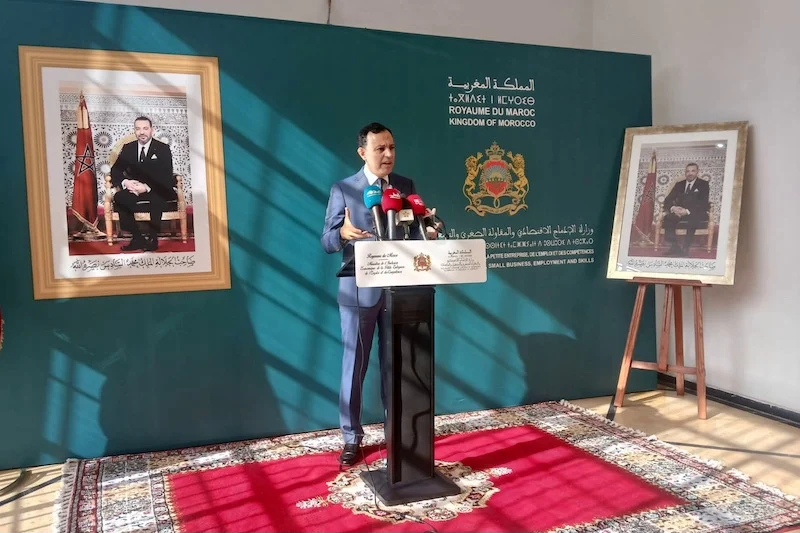
Speaking during a visit to a CFA-IE in Meknes on Wednesday, Sekkouri emphasized the government’s commitment to expanding apprenticeship opportunities in line with directives from King Mohammed VI. The visit coincided with the official launch of the 2024-2025 vocational training year.
“Our goal is to train more than 50,000 apprentices by 2026, through the creation of new CFA-IEs, strengthening partnerships with companies, and tailoring training to the job market’s demands,” Sekkouri told reporters.
The government is set to unveil a roadmap later this month, outlining specific measures to advance apprenticeship programs. So far, over 50 CFA-IEs have been established, primarily in key sectors such as textiles, automotive, leather, and hospitality. These centers boast an impressive integration rate, with more than 80% of apprentices securing employment.
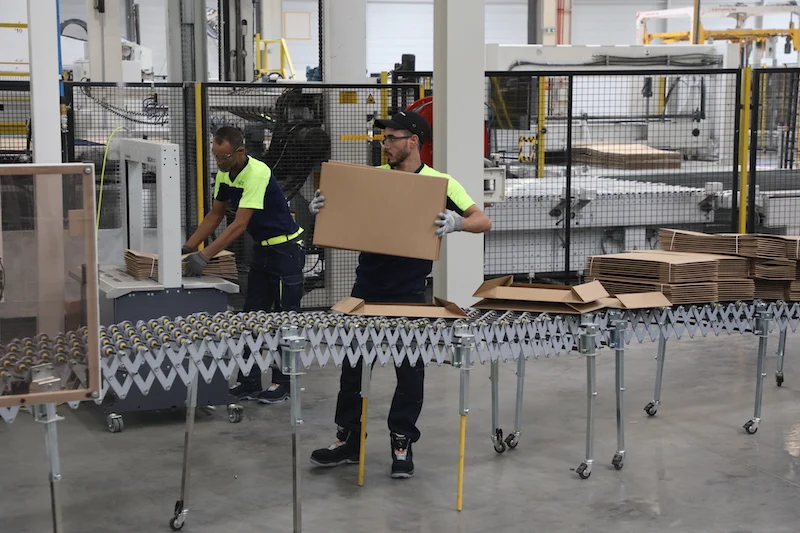
Sekkouri highlighted the advantages of the intra-company apprenticeship model, describing it as a “win-win solution” for youth, businesses, and the nation. “Intra-company apprenticeship offers technical and practical training directly within businesses, which is particularly suited for young people who have not completed formal education,” he explained.
Targeting the “NEET” demographic—those not in employment, education, or training—the program seeks to bridge the skills gap by matching training to the specific needs of industries. The minister underscored the government’s resolve to support this initiative, which is part of a broader strategy to reduce youth unemployment and enhance Morocco’s appeal for foreign investment.
Sekkouri further stressed that the collaboration between the government and the private sector is critical to the success of these apprenticeship centers. “The private sector plays a key role in ensuring the success of this cooperation, as their needs must be met for recruitment to happen,” he said.
The CFA-IE model combines 80% hands-on experience and 20% theoretical learning, a structure that has already proven highly effective. “With wages and proper mentorship, the integration rate reaches 100%, and employee turnover is below 2%,” Sekkouri noted.
The government has committed substantial funds to support the initiative, while businesses are also contributing significantly to the process. “The private sector has a vested interest in the success of these programs, as they contribute to enhancing productivity and competitiveness,” Sekkouri added.








add your comment
Terms of publication : Not to offend the writer, people, sacred things, or attack religions or the divine self, and refrain from racist incitement and insults.