The Moroccan government says it will present a revised labor code before May 1, reopening a long stalled reform debate over wages, working hours and enforcement as unemployment and informality remain high.
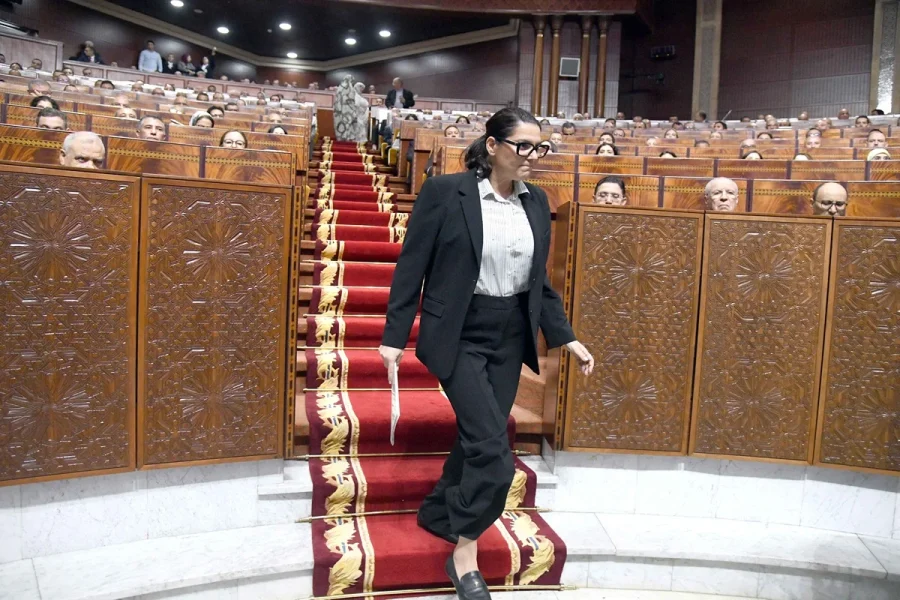
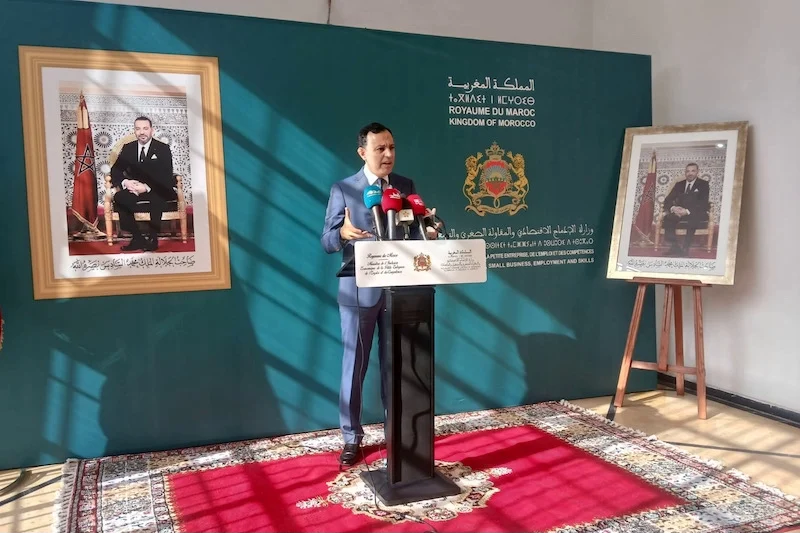
Speaking Monday before the Chamber of Representatives, Younes Sekkouri, minister of economic inclusion, employment and skills, said the executive was committed to ending what he described as “structural injustices” in the labor market, promising to present a new legal framework before May 1.
The commitment revives a debate that has lingered for more than two decades. Morocco’s current Labor Code, Law 65 99, entered into force in 2004 and has long been criticized by unions and employers alike for failing to keep pace with economic change, particularly in areas such as legal working hours, wage calculation, and enforcement mechanisms.
Sekkouri told lawmakers that several of the most contentious provisions, including those governing working time and pay, raise constitutional and human rights issues, arguing that gaps between the law and workplace reality have persisted despite repeated social dialogue rounds.
Working hours are among the most sensitive points. While the issue is formally included in social dialogue commitments, Sekkouri acknowledged delays in consultations with unions and employers, noting that responses from social partners have been uneven since talks were opened last September. The government, he said, remains bound by an agreement to settle the matter legislatively before May.
The question of wages poses similar challenges. Although the minimum wage is legally calculated on an hourly basis, its monthly application has generated widespread disputes, particularly for workers who do not complete a full month of employment. Labor advocates argue that this ambiguity disproportionately affects low income and precarious workers.
Beyond the text of the law, enforcement remains a central weakness. Sekkouri highlighted the limited deterrent effect of existing penalties, which cap fines for undeclared work or unpaid wages at 500 dirhams per worker and 20,000 dirhams per company. Critics say such sanctions are often absorbed as operating costs, especially in sectors with high turnover.
National unemployment remains above 13 percent, while youth unemployment exceeds one third, according to official data. Informality further complicates reform, with millions of workers operating outside formal registration systems and beyond the effective reach of labor inspections.
Although Morocco has expanded its labor inspectorate in recent years, coverage remains limited relative to the size of the workforce. This has reinforced skepticism among unions about whether legal reform alone can deliver meaningful change without stronger institutional capacity.
Sekkouri said the government had asked unions to submit integrated reform proposals, arguing that durable progress requires a comprehensive rewrite rather than piecemeal amendments. Employers, however, have warned against changes that could raise labor costs or restrict flexibility at a time of uneven growth.








add your comment
Terms of publication : Not to offend the writer, people, sacred things, or attack religions or the divine self, and refrain from racist incitement and insults.