
“Morocco’s strategy on the Western Sahara has paid off,” argued the German news outlet DW, following France’s endorsement of the kingdom’s proposed autonomy plan for the southern provinces.
In a statement to DW, Sarah Zaaimi, a researcher and the deputy director for communications at the Washington-based think tank Atlantic Council, emphasized that “France’s recognition is an extremely symbolic move that might seal the fate of the Western Sahara conflict.”
The report stated that the southern provinces, which have been at the center of a conflict for five decades, might finally be on the path to resolution.
The same source quoted Thomas M. Hill, director of the US think tank Institute for Peace, who believes that “the Sahara conflict is effectively over due to France’s recent support for the autonomy plan, leaving the Polisario Front with no option but to eventually settle for some form of autonomy within Morocco.”
Morocco’s sovereignty over Western Sahara is increasingly recognized internationally. While the UN supports a referendum for the locals, France, Spain, the US, Gulf states, and many African and Latin American countries support Morocco’s claim.
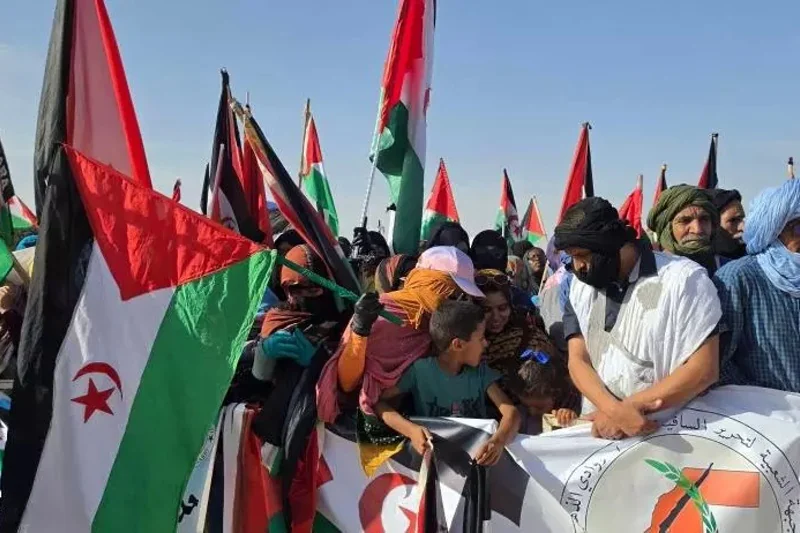
The report highlighted that the Polisario Front’s quest for independence quest is stalled, though some countries still support its cause.
However, Alica Gower, director of geopolitics and security at the London-based consulting firm Azure Strategy, argued that France’s recent recognition of Moroccan sovereignty over the Sahara is a political move, driven by concerns about migration.
In a statement to DW, she said that “this recognition has little practical effect on the ongoing conflict” and is motivated by France’s desire to address migration challenges.
“France hopes that Mohammed VI will help curb migration to Europe,” added Gower.





add your comment
Terms of publication : Not to offend the writer, people, sacred things, or attack religions or the divine self, and refrain from racist incitement and insults.