
UNICEF has issued a stark warning about a worsening malnutrition crisis affecting children in the Middle East and North Africa (MENA), with one-third of the region’s children suffering from some form of malnutrition. The agency’s statement on Monday highlighted the severity of the situation amid ongoing conflict and climate challenges.
The UN Children’s Fund reported that at least 77 million children in MENA—about one in three—are impacted by malnutrition. This includes 55 million children who are overweight or obese and 24 million who experience undernutrition, which encompasses stunting, wasting, and thinness.
UNICEF attributes the crisis to several factors, including poor dietary practices, limited access to nutritious food, clean water, medical care, and essential services. The proliferation of cheap, unhealthy foods high in salt, sugar, and fat also exacerbates the problem.
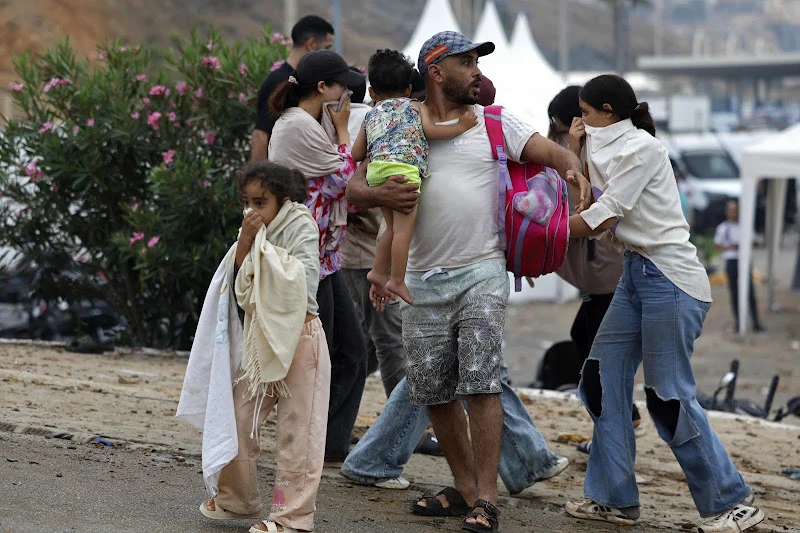
The agency emphasized that ongoing conflicts, political instability, climate-related shocks, and rising food prices further undermine children’s access to nutritious food and hinder humanitarian efforts to reach vulnerable populations.
Adele Khodr, UNICEF’s regional director for MENA, described the current situation to AFP as “shocking in 2024” and expressed concern that conditions are likely to deteriorate further due to persistent conflicts and other regional challenges. She noted that only a third of children in the region receive adequate nutrition.
The crisis in MENA is part of a broader global trend. A report published in July by the UN Food and Agriculture Organization (FAO) and other UN agencies revealed that 733 million people worldwide experienced hunger in 2023, representing 9% of the global population.
Additionally, 2.3 billion people face moderate or severe food insecurity, occasionally having to skip meals, and over a third of the world’s population cannot afford a healthy diet. This includes 72% of individuals living in the poorest countries.





add your comment
Terms of publication : Not to offend the writer, people, sacred things, or attack religions or the divine self, and refrain from racist incitement and insults.