
In a notable shift in Morocco’s export landscape, the automotive industry has overtaken the historically dominant phosphate sector to become the leading export sector in 2023.
According to Morocco’s Changes Office, automotive exports surged by 28.4% from the previous year, reaching $13.9 billion and surpassing the phosphate sector, which led exports in 2022.
The growth in Morocco’s automotive sector was driven primarily by the automotive wiring harness industry, which contributed $4.5 billion, and car construction, which reached $6.7 billion.
This increase is attributed to a 22.6% rise in the construction ecosystem and a 34.4% surge in the wiring ecosystem. Additionally, the electronics sector saw a 21% boost, largely due to a 26% rise in electronic component sales.
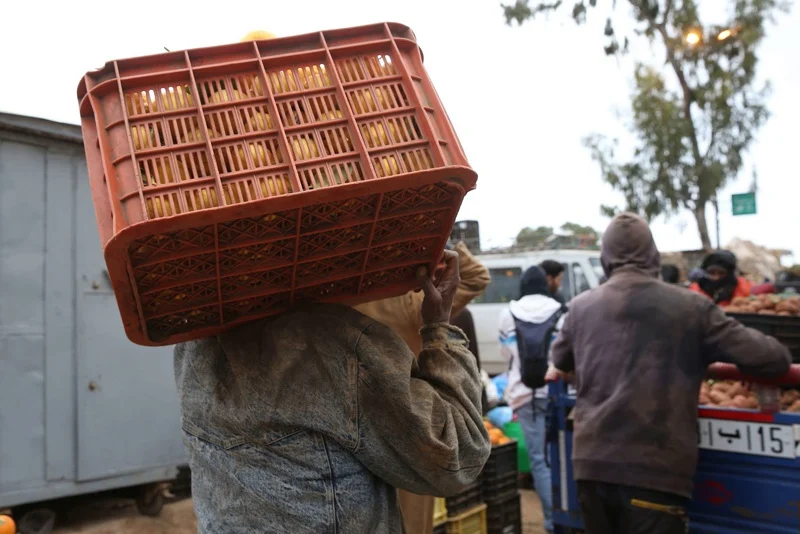
In contrast, phosphate exports have faced significant challenges. As of September 2023, yearly phosphate exports had dropped to approximately $5.2 billion, a significant decrease from previous years.
This decline is attributed to reduced global demand and increased competition, despite Morocco’s position as one of the world’s largest exporters of phosphatic fertilizers, particularly to markets like Bangladesh and Brazil.
The phosphate sector had a strong performance in 2022, with over $11 billion in exports, marking a 43.9% increase from the previous year. However, the sector saw a sharp downturn in 2023, affecting all phosphate-related products.
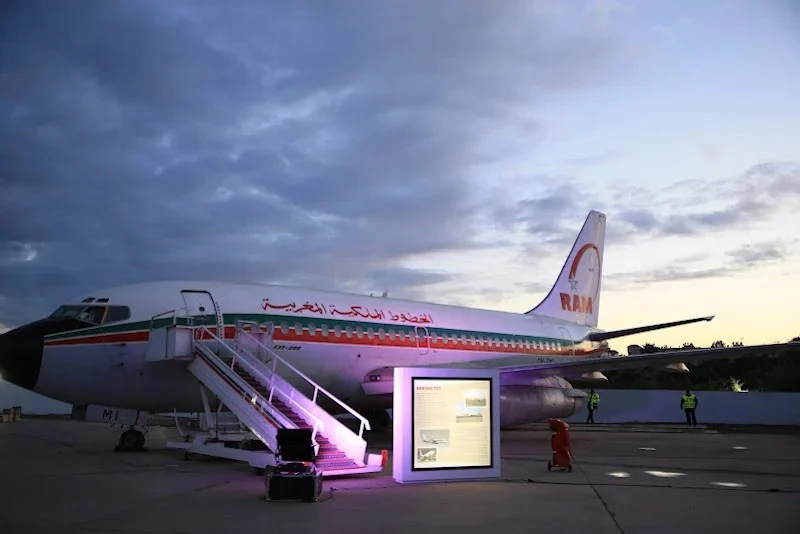
Meanwhile, the textile sector grew by 5%, reaching MAD 46.1 billion, and the aeronautics sector saw a 3.8% improvement, driven by the Electrical Wiring Interconnection System (EWIS) ecosystem, despite a decline in assembly exports. The agriculture and agri-food sector remained stable at 83.2 billion MAD.
Tourist cars led Morocco’s export list in 2023, accounting for 15.1% of total exports, followed by natural and chemical fertilizers at 13%, electrical conductors at 11.2%, and ready-made garments at 6.9%. Other significant exports included vehicle parts (3.6%), phosphoric acid (3%), and aircraft parts (3%).
From 2019 to 2021, the phosphate industry experienced stability despite COVID-19 disruptions, particularly from the Bou Craa mine in the Moroccan Sahara.
However, the loss of major North American clients in 2019 led Morocco to diversify its markets, targeting India, Mexico, and New Zealand. This diversification yielded mixed results amid geopolitical tensions and shifts in the global agricultural market.
Government policies, including tax exemptions, free trade agreements, and industrial parks, have spurred the automotive sector’s rise over the past eight years.
Investments from global automotive giants, such as PSA Peugeot Citroën and the Renault-Nissan Alliance, have further fueled this growth, with PSA investing $615 million in 2022 and Renault-Nissan producing over half a million vehicles between 2019 and 2020.






add your comment
Terms of publication : Not to offend the writer, people, sacred things, or attack religions or the divine self, and refrain from racist incitement and insults.