A new report by Morocco’s Royal Institute for Strategic Studies (IRIS) has launched a scathing critique of the country’s agricultural policies, raising concerns about Morocco’s growing dependence on food imports amidst global geopolitical uncertainty.
The report highlights the critical role that agriculture plays in Morocco’s economy and social stability. However, it goes on to argue that current practices are unsustainable and threaten the nation’s food security.
Morocco’s overreliance on rain-fed agriculture and unsustainable water management practices leave the country vulnerable to climate shocks, the report states.
The recent droughts have exposed these vulnerabilities, highlighting the urgent need for a paradigm shift in our agricultural strategy.
In just two decades, Morocco has transitioned from a state of water stress to one of water scarcity. The scarcity of water is primarily attributed to two factors: climate change and unsustainable water management practices.
This unprecedented situation has raised significant concerns among the Moroccan population, as it jeopardizes not only access to potable water but also the sustainability of agriculture and food security.
The report criticizes past policies that have focused on increasing water supply through dam construction and subsidized irrigation, noting that these approaches have exacerbated the problem by leading to the overexploitation of water resources.
The policy of subsidizing drip irrigation for private farmers, while initially intended to save water, has instead encouraged the expansion of water-intensive crops in areas that are not suited for irrigation. This has further exacerbated the pressure on already stressed water resources.
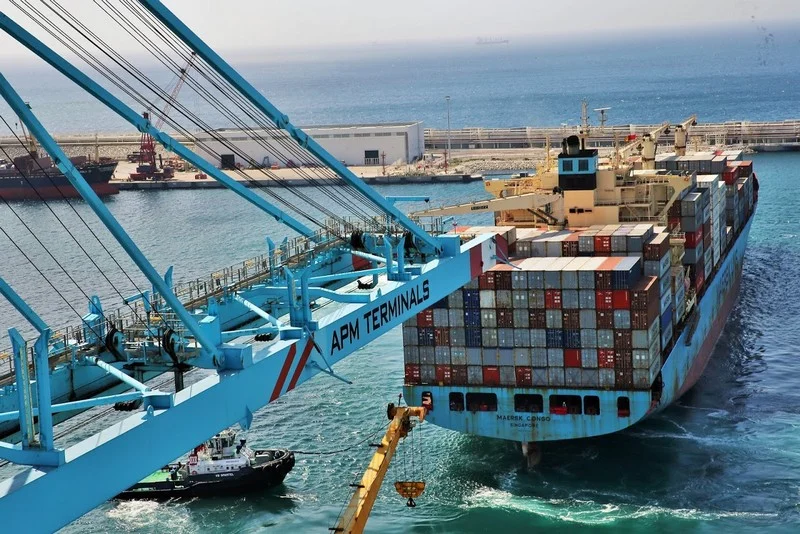
The IRISS report comes at a time of heightened global food insecurity due to the ongoing war in Ukraine, a major grain exporter. This has caused a spike in food prices worldwide, raising concerns about affordability for import-dependent countries like Morocco.
The report warns that the current geopolitical climate underscores the dangers of relying on imports for essential foodstuffs.
Disruptions in global supply chains or rising prices could have devastating consequences for Morocco’s food security and social stability.
The IRIS report calls for a multi-pronged approach to address these challenges. It recommends prioritizing water conservation by implementing measures to improve irrigation efficiency, reduce water losses, and promote water-saving practices across all sectors.
The report also urges investing in climate-resilient agriculture by developing drought-resistant crops, improving irrigation infrastructure, and adopting water-harvesting techniques.
The institute recommended diversifying agricultural production by encouraging the cultivation of a wider variety of crops to reduce reliance on imported foodstuffs.








add your comment
Terms of publication : Not to offend the writer, people, sacred things, or attack religions or the divine self, and refrain from racist incitement and insults.