
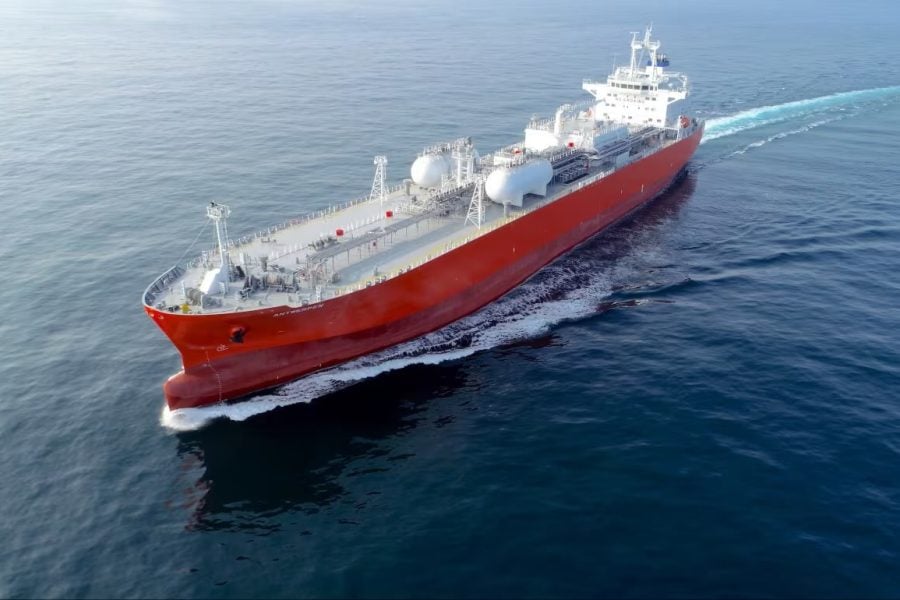
Morocco’s fuel market witnessed a significant drop in import prices and overall costs in 2023, according to a recent report by the Competition Council.
This welcome development comes courtesy of a decline in international prices for refined fuels, particularly diesel, which is the lifeblood of Morocco’s fuel imports, making up 90% of the total.
The value of fuel imports into Morocco plummeted by 21.5% in 2023 compared to the previous year. This translates to a decrease from MAD 66.3 billion to MAD 52.7 billion.
This positive change directly impacts consumers, as the total cost of fuel imports (excluding taxes) also fell by a substantial 21% from 2022 to 2023.
In simpler terms, Moroccans are paying roughly MAD 7.49 per liter in 2023 compared to MAD 9.48 per liter in 2022 for their fuel, a significant saving at the pump.
While lower international prices are the main driver of this relief, the report noed that six new operators entered the scene in 2023, shaking things up for the previously established nine companies.
This increased competition contributed to a decrease in the market share of the dominant players, which dropped from 92.6% to 89%.
This might seem like a small shift, but it signifies a growing market with more options for consumers, potentially leading to further price competition in the future.
The report also highlights the growth of storage capacity in Morocco. The total amount of fuel the country can store increased by 12% in 2023 compared to 2022, reaching a total of 1.47 million tonnes.
This not only provides a buffer against potential international price fluctuations but also allows for a more stable fuel supply domestically.
While consumers might celebrate lower prices, the government might see a slight decrease in revenue related to fuel.
The report said that there is a slight decline in both the Domestic Consumption Tax (TIC) and the Value Added Tax (VAT) on fuel due to the lower import prices.
However, the increased volume of fuel sold in 2023 (3.75%) compared to 2022 might partially offset this decrease.
The report also shed light on the distribution network. The total number of fuel stations in Morocco reached 3,350 at the end of 2023, with roughly 75% operated by the nine major fuel companies.
While the new entrants haven’t made a significant dent in terms of station ownership yet, their presence in the import and storage sectors is a positive sign for future competition and potentially wider access to fuel for Moroccan consumers.





add your comment
Terms of publication : Not to offend the writer, people, sacred things, or attack religions or the divine self, and refrain from racist incitement and insults.