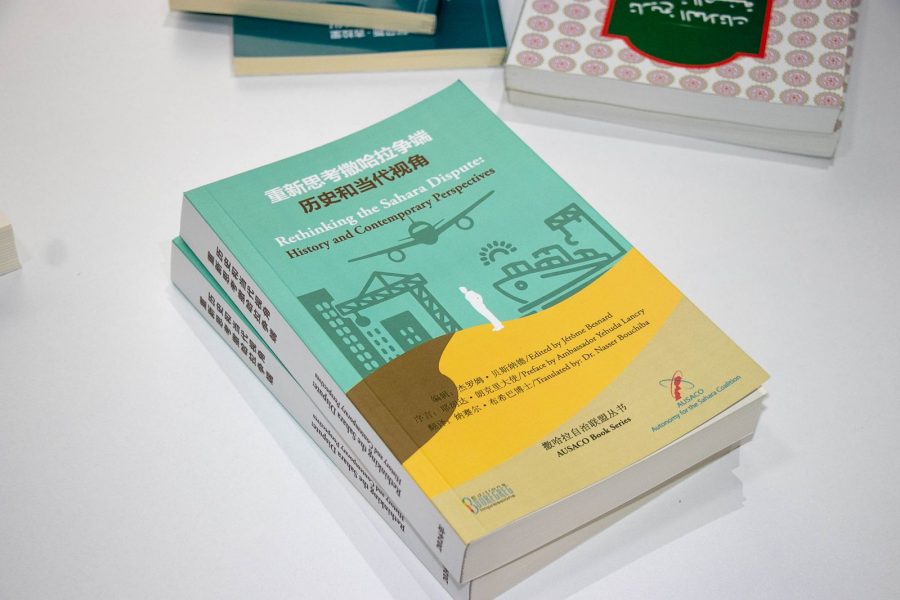
A new publication has been added to the library of translations between Morocco and China, entitled “Rethinking the Sahara Dispute: History and Contemporary Perspectives,” available in English and Chinese.
The book is a collection of academic articles on the Moroccan Sahara issue written by Moroccan and foreign researchers, diplomats, and journalists. Through their research and analysis, they conclude that Morocco’s 2007 Autonomy Plan is the “only viable solution to this artificial dispute for us and our friends around the world.”
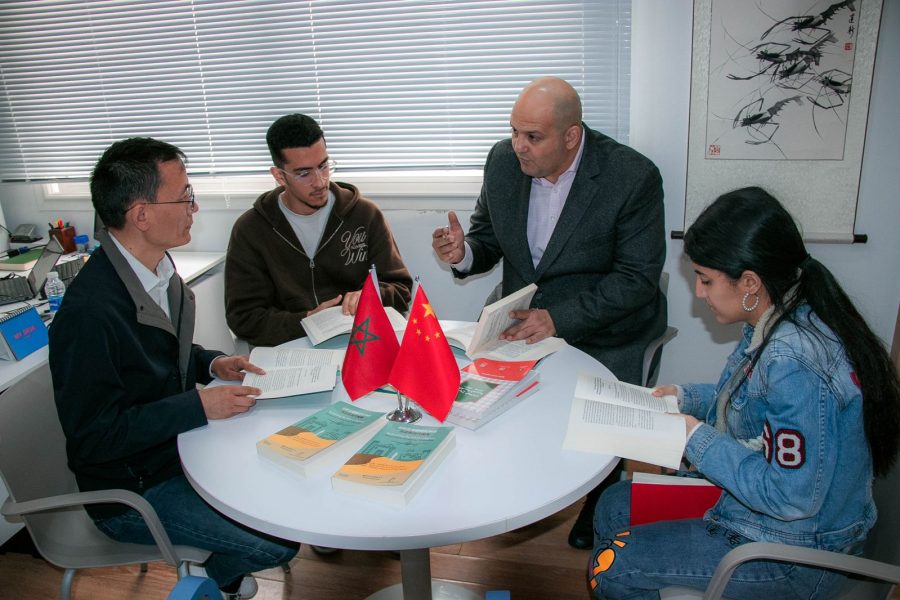
The significance of translating writings on the national issue into Chinese lies in this book contributing to the efforts of various Moroccan actors to raise awareness about the national issue in multiple languages, dispel misconceptions, examine them, and refute them while presenting documented evidence and conclusive proof of the historical, legal, and cultural legitimacy of Morocco’s southern provinces.
In response to the initial translation, Chinese cultural heritage researcher Wang Yongbao posed a series of questions after reading it: “If the Great Sahara extends from the Atlantic coasts of Morocco and Mauritania to the shores of the Red Sea and the Indian Ocean in Egypt and East Africa, and every country has its own Sahara, why was only the western part of the Sahara chosen to establish a new state? Does Africa and the Arab world need new states after the colonial partition? Why was the eastern part of the Sahara not divided? Why does the Algerian regime permit attacking Morocco from its western borders by a militia when you helped each other to achieve independence?”
Nasser Bouchiba, an expert in Morocco-China relations, commented on Wang Yongbao’s questions: “I sensed a kind of emotion in Wang Yongbao’s words, especially after I explained to him that the colonial powers, before leaving, planted many seeds of conflict to prevent economic integration between Arab and African countries,” affirming that they successfully achieved this goal at a low cost, becoming among the biggest economic and military beneficiaries..”
He added, “These questions demonstrate the importance of these publications and translations in informing our friends worldwide about the truth of the artificial dispute that Morocco can resolve in a week if some parties lift their hands from this file.”
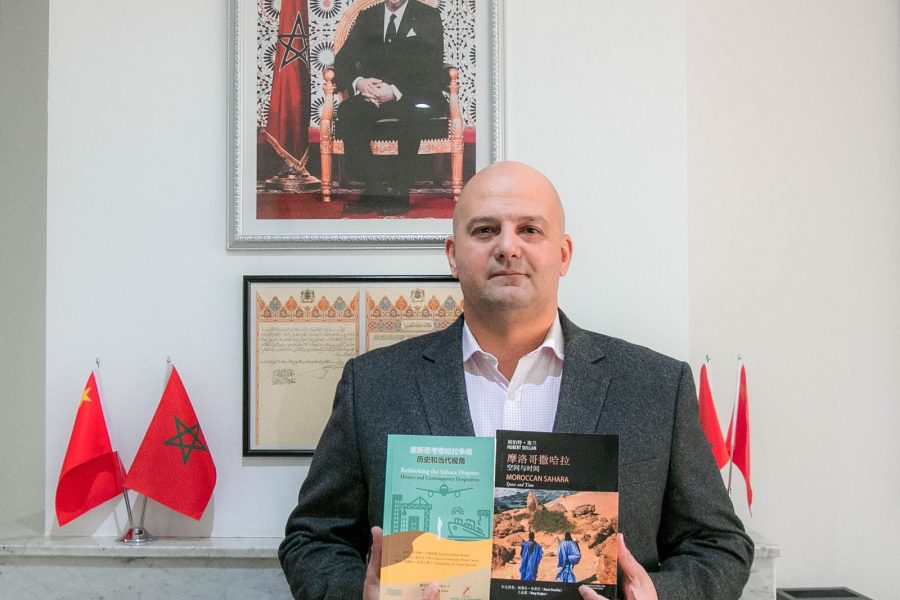
Regarding future projects, the speaker said, “We are about to publish a new academic book titled “The Cost of Non-Maghreb” which seeks to clarify the significant economic cost borne by the region’s peoples due to an artificial dispute that Morocco can resolve in a week if some parties lift their hands from this artificial conflict.”






This conclusion has already been explained to us Moroccans by the deceased King of Morocco: Hasan the second. Only now is the world beginning to understand what the man already knew then.