
Morocco is currently experiencing a confusing weather pattern, with high temperatures registered in the southern and central areas of the country, while the northern part was hit by the Karlotta storm.
The situation has led to a sense of confusion and spurred many to raise questions about the perplexing climate patterns in the kingdom.
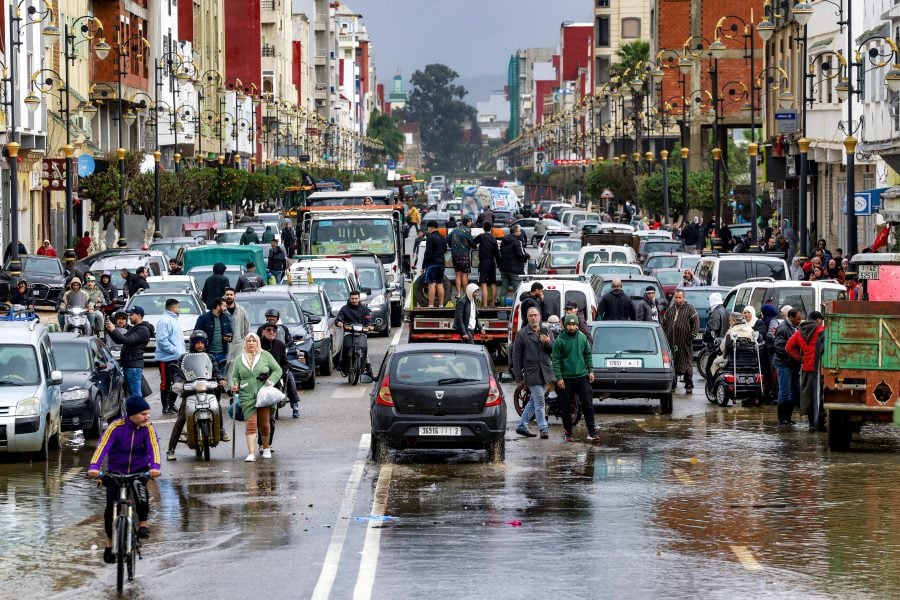
Last week, the Karlotta storm struck the northern part of Morocco, particularly affecting the cities of Tangier and Tetouan.
This fierce storm brought strong winds, reaching gusts surpassing 100 km/h, and caused significant disruptions to various areas, including rail and air traffic.
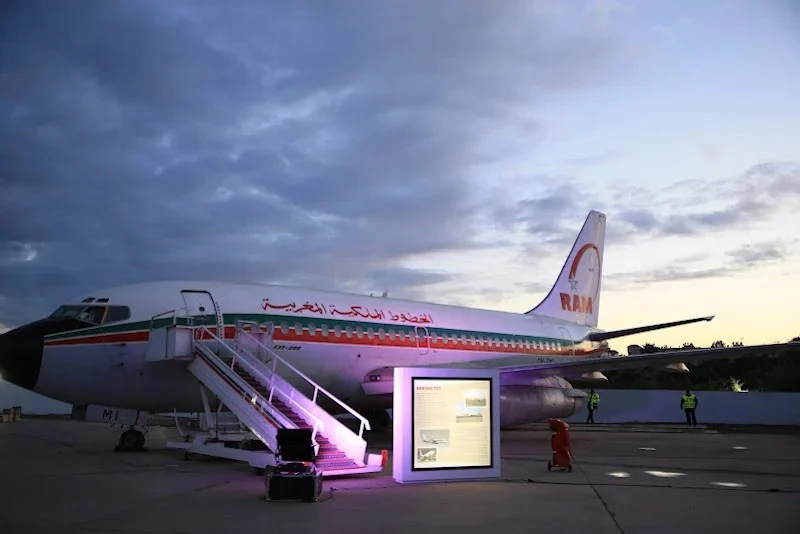
Due to the bad weather condition, three incoming flights to the Saniat R’mel Airport in Tetouan were redirected other airports, and two departures to domestic destinations were canceled.
At Ibn Battuta Airport in Tangier, 5 outbound flights were canceled, 6 inbound flights were redirected to other airports, and one departure was delayed.
On the other hand, temperatures in southern and central Morocco have risen significantly this week, hitting 5 to 9 degrees above the seasonal average.
“The disparity in weather conditions between the southern and northern regions of Morocco isn’t as odd as it seems. It’s a normal and natural occurrence that is to be expected,” explained Ali Charoud, a climate expert, in a statement to Hespress EN.
This difference can be attributed to the presence of the Grand Atlas mountain range running from east to west, creating a natural barrier that separates the two regions, said the expert.
“The Atlas mountains separate the country into distinct climatic zones. The southern regions, protected by these mountains of varying heights amounting to 4000 meters, are distinguished by arid and dry climates, whereas the northern parts, affected by the Mediterranean Sea, are generally wetter,” further explained Charoud.
For this reason, the storm that hit Morocco originating from Europe encountered the low-lying Mediterranean Sea, which cannot be considered as a natural barrier, hence it failed to impede the storm’s progress.
“As a consequence, the storm that originates from Europe and passes across the Iberian Peninsula is likely to impact northern Moroccan cities. The barrier for such storms lies in the mountainous terrain,” concluded Charoud.



add your comment
Terms of publication : Not to offend the writer, people, sacred things, or attack religions or the divine self, and refrain from racist incitement and insults.