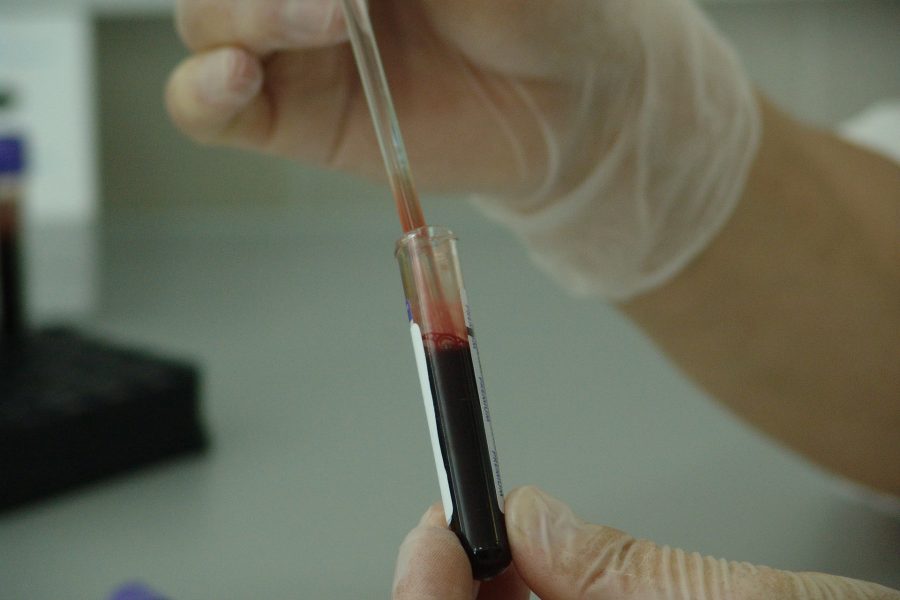
“It is still possible to end AIDS by 2030,” according to the most recent UNAIDS report “The Path that Ends AIDS,” which provides the strategy to accomplish this long-awaited goal.
Through data and case studies, the UNAIDS report released this week demonstrates that eradicating AIDS is a political and financial decision, and that the nations and leaders who are already on the path to doing so are seeing tremendous success.
However, the United Nations claims that a widening financing gap is preventing rapid progress.
As a result, the report recommended addressing inequality, assisting communities and civil society organizations in their efforts, and ensuring adequate and long-term funding.
“Botswana, Eswatini, Rwanda, the United Republic of Tanzania, and Zimbabwe have already attained the 95-95-95 targets,” said the report.
The 95-95-95 targets indicate that 95% of people with HIV are aware of their HIV status, 95% are receiving life-saving antiretroviral medication, and 95% are experiencing viral suppression as a result of their treatment.
Since 2010, the number of new HIV infections in eastern and southern Africa has decreased by 57%.
“The countries and regions with the highest financial investments have experienced the greatest progress,” according to the report.
One person would still pass away from AIDS every minute in 2022, and over 9.2 million people—including 660,000 HIV-positive children—are still not receiving treatment.
By 2022, 82% of pregnant and nursing women living with HIV in the world had access to antiretroviral therapy, up from 46% in 2010.
As a result, between 2010 and 2022, there was a 58% decrease in new HIV infections among children, the lowest rate since the 1980s.
A total of $20.8 billion, down 2.6% from 2021 and far less than the 29.3 billion of dollars considered necessary by 2025, was allocated for HIV initiatives in low- and middle-income countries in 2022.
Globally, 29.8 million persons received antiretroviral therapy by 2022, up from 7.7 million in 2010.
In 2022, 4,000 young women and girls will acquired HIV on a global basis each week.
Eastern Europe and central Asia had a surge in new HIV infections of 49%, while the MENA region saw a rise of 61% since 2010. Meanwhile, 23% of new HIV infections around the world were found in Asia and the Pacific.
“The end of AIDS is an opportunity for a uniquely powerful legacy for today’s leaders,” said Winnie Byanyima, Executive Director of UNAIDS.




add your comment
Terms of publication : Not to offend the writer, people, sacred things, or attack religions or the divine self, and refrain from racist incitement and insults.