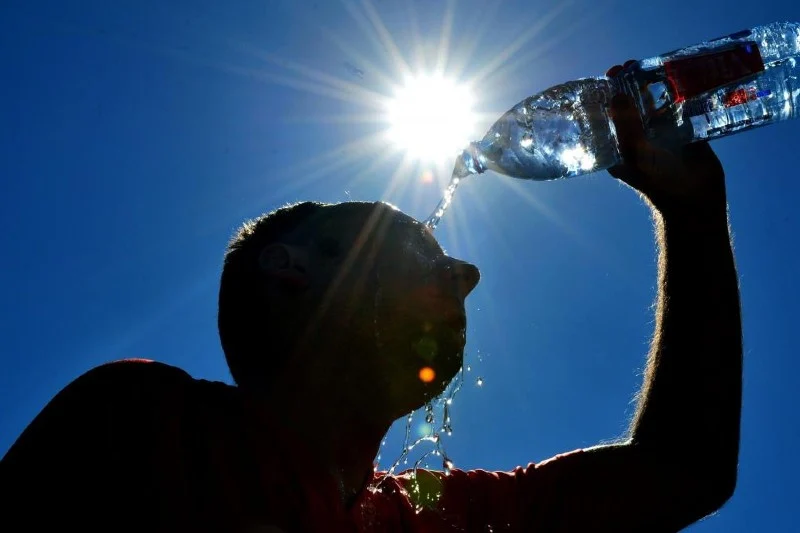
The latest report of the International Energy Agency (IEA) stated that Morocco’s weather is characterized by mild and wet winters and hot and dry summers, as is the case in other Mediterranean countries, with a record that the Kingdom is experiencing some geographical variation in its climate.
The report, entitled “Climate Resilience for Morocco’s Energy Transition,” added that the average annual temperature in Morocco increased by 1.7 degrees Celsius between 1971 and 2017, highlighting that “there are regions that have experienced the largest increase in temperatures, by more than two degrees Celsius, especially In cities like Oujda, Taza, Errachidia and Beni Mellal.”
“Climatic scenarios show that the temperature rise continues in Morocco until the end of this century, and if greenhouse gas emissions are not mitigated, Morocco may suffer from more frequent and intense heat waves,” said the report, stressing that “in light of the average level of concentration of Greenhouse gases, the average annual increase in temperature is expected to reach 1.5 degrees Celsius and 1.8 degrees Celsius by 2050, compared to the reference period 1981-2018.
The report stated that “increasing temperatures in Morocco have led to an increase in Cooling Degree Days (CDDs) by an average of 3.5% annually over the past two decades, while Heat Temperature Days (HDDs) have decreased by an average of 2% annually since 2000, and this may result in a significant increase.” In energy demand for cooling,” and “high temperature could stress the energy system by raising the entry of refrigerators into Morocco, from 9.3% in 2015 to up to 49% by 2030.”
The same source highlighted that Morocco, in order to resist the rise in demand in the summer, is increasingly relying on its regional links, so that the country’s net electricity imports increased from 2 TWh in 2006 to 5.3 TWh in 2016, which represents 14% of the total electricity supply in the country. Noting that energy imports from Spain to Morocco have reached record levels in the past four years.
With regard to precipitation, the report of the International Energy Agency stated that Morocco has become gradually drier, especially during the period from 1961 to 2017, which witnessed a decrease in the cumulative rainfall rate by 16%, especially in the spring, which witnessed a decrease of 43%, and winter by 43%. 26%,” noting that “the northwestern region of the Kingdom received an average annual rainfall of 1,200 mm (the highest), while the southeast of the country received less than 50 mm per year on average.”
According to the same report, it is expected that the decline in average annual rainfall will continue in Morocco, and the decrease will range from 10% to 20% during the period 2036-2065 compared to the period 1981-2018, in the country as a whole, noting that there will be some variation between regions. Country”. “The decrease in precipitation raises concerns about drought problems, which have increased in frequency, magnitude and duration,” the source stated.
The report stressed that climate projections also show the presence of more frequent and severe droughts in Morocco, especially in the central and southern regions, noting that “the energy sector is central to Morocco’s strategy to adapt to climate change, as it seeks great efforts to mitigate, and among the main measures Increasing electricity generation from renewable energy from 17.6% in 2020 to 52% by 2030.
The report notes that “to ensure the energy transition in Morocco, the development of a sectoral plan dedicated to energy will be a necessary step. Climate risks and disasters driven by climate change.




add your comment
Terms of publication : Not to offend the writer, people, sacred things, or attack religions or the divine self, and refrain from racist incitement and insults.