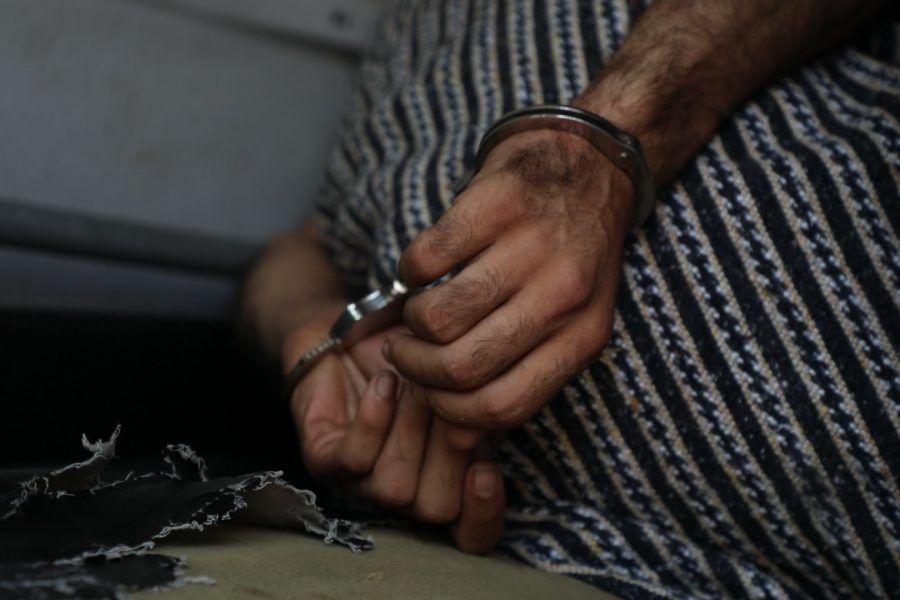
Phosphates have long constituted Morocco’s most important natural resource for both domestic use and export, but the Kingdom is now gearing up to legalize and monetize an illegal yet important prized commodity: medicinal and cosmetic Cannabis.
As the country turns to structuring and legalizing its great underground, illicit cannabis industry, some worry that legalization could make Morocco more vulnerable to the prevalence of hardcore, class A drugs.
Considering that Morocco maintains a relatively strong hold on both natural and synthetic hard drugs, a recent report from the United Nations Office on Drugs and Crime (UNODC) revealing cannabis supply chains from Morocco to Europe are now used to traffic cocaine to distributors in the Netherlands is worrying onlookers.
Issued on Thursday, the report states that these trafficking routes are run by networks based in Gibraltar, and that Moroccan authorities report a “small but growing” share of cocaine flows entering Morocco by land and from sub-Saharan African countries, reaching 23% by 2021.
The office explains that the military presence in the Sahel, as well as inter-ethnic conflicts in southern Libya, banditry in Niger and insecurity and violence in northern Mali, among others, have contributed to “discourage the use of land routes for the flow of cocaine to Libya.
As a result, “it is plausible, although the available evidence does not conclusively demonstrate it, that it has led to a general shift in land routes to North Africa, with a possible reduction in volumes to Libya and an increase to Morocco or perhaps Algeria.
Maritime as the preferred route for cocaine trafficking
In addition to land routes, “the increased importance of maritime trafficking is clear in the case of Morocco and has been since 2016,” although the kingdom “continues to be affected by land routes of cocaine trafficking,” say the report’s editors for whom “it seems that significant quantities of cocaine arrive directly to Morocco by sea and not by transshipment from West Africa.”
Morocco has identified Colombia and Brazil as the main departure countries for cocaine seized in 2021 and 2020, followed by Nigeria in 2020 (but not 2021).
Moroccan authorities also reported that in November 2019, a batch of 476 kg of cocaine from Colombia was seized from a boat near Temara (south of Rabat, on the Atlantic coast). In December 2018, media outlets reported that seven individuals were arrested in Morocco in connection with the seizure of a ton of cocaine.
These individuals were suspected of belonging to a criminal group that had transported the cocaine by sea on a merchant ship from Latin America to Moroccan waters, from where it was transported to El Jadida, by a fishing vessel.
In addition, one of the largest seizures ever made near the African coast – 9.5 tons of cocaine seized in Cape Verde in 2019 – was made from a ship that was initially headed for Tangier, but had to make an emergency stop in the island state.
In an interview with Hespress EN, Chief of Police and Head of the Narcotics Brigade of the Sale district Bechar Marouane assured that “although hard drug smuggling is prevalent in Morocco’s biggest maritime border transit points such as Tangier, very few cases are noted in the region.”
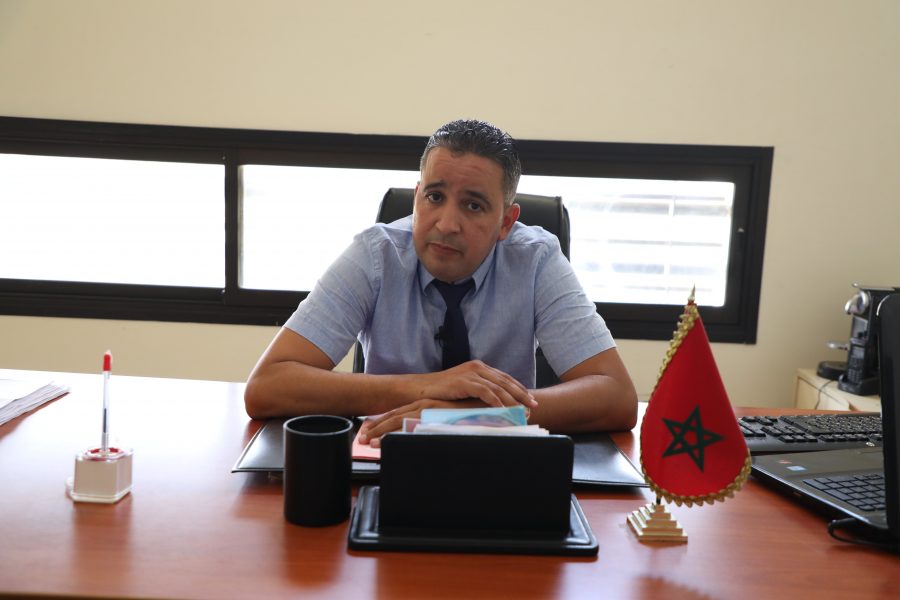
Most of the counter drug trafficking operations led by authorities within the perimeter of the Rabat-Sale-Kenitra region are related to cannabis and hash seizures, said Bechar, explaining that since most hard drugs are not locally produced, authorities are able to intercept traffic before it propagates on the national territory.
Although Bechar links the controlled class A drug trafficking in the city of Sale to the prevalent economic status of many of its residents, he tells Hespress EN that this does not exclude it as an occasional transit point.
“At times, local police brigades work along with national authorities to intercept distributors across Morocco,” said the official, explaining that most hard drug traffickers in the country do not distribute in Sale, but merely use it as a transit point.
Bechar explained that at times, authorities perform what is known as a “controlled delivery, a strategy allowing for the delivery of a drug shipment or order, the goal of which is to identify those involved in the drug trafficking process, and intercept the culprits.”
The delivery could be either within the national territory, incoming or outcoming from abroad.
“The drug trafficking line is long and oftentimes complex, but to identify the supplier, the distributor and the trafficker, we at times have to simply follow through tips and intel, to be able to deliver the entire perpetrators to justice.”
Authorities have a plethora of developed, technical and advanced tools that allow them to impede drug trafficking, says the official, adding that “there are several specialized brigades whose purpose is to counter drug trafficking in specific social circles.”

Anti-gang brigades, school watch brigades to limit the exploitation and drug trafficking to minors, and national coordination units are all at the service of protecting citizens from narcotics in the Kingdom, assures the official.
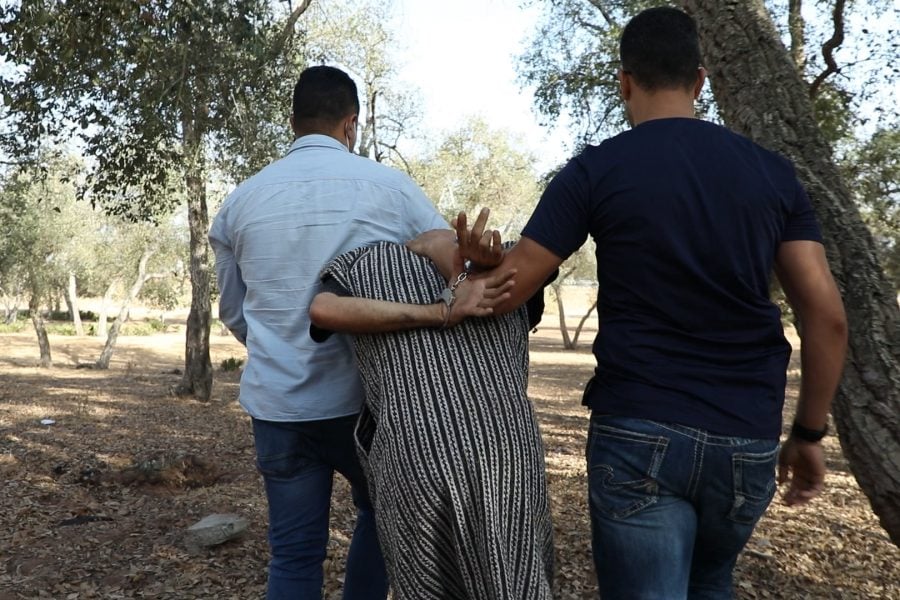
Hespress EN accompanied the local Sale anti-drug brigade during a drug-bust operation, often performed in the city’s outskirts, where traffickers use surrounding forests and inter-city highways to transport cargo on foot.
Through a combination of informants, continuous surveillance and acute planning, authorities first identify traffickers’ itinerary, build a profile of the suspects and execute a group operation to intercept them in the act.
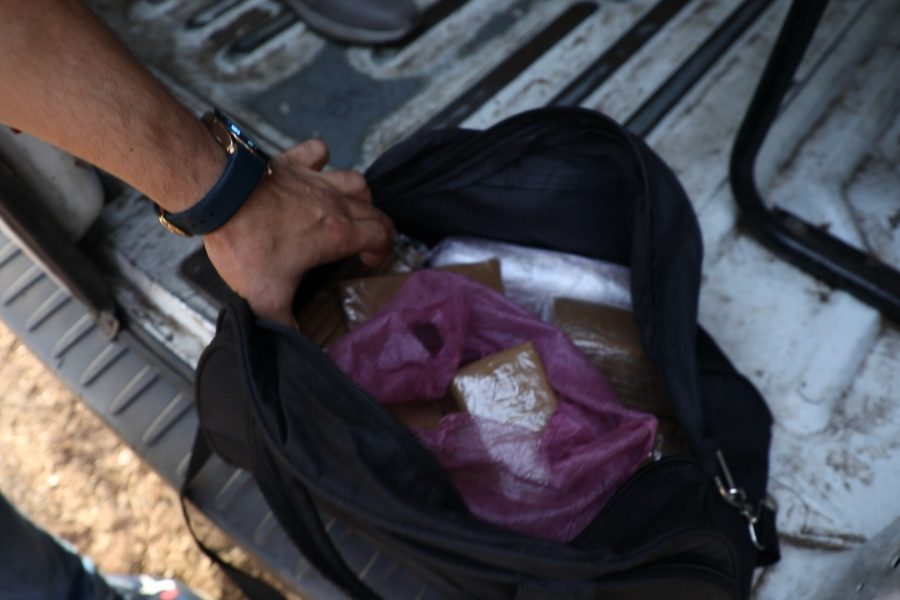
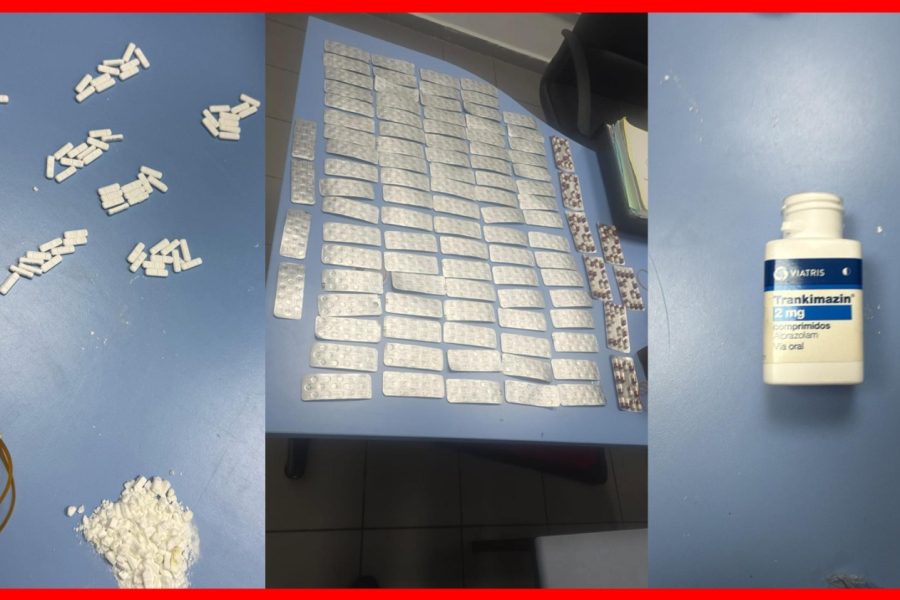
Such operations allow the seizure of significant amounts of cannabis, hash and shira drugs, in addition to hallucinogenic pills that pose a serious threat to consumers’ health.
A bureaucracy for Cannabis
Moroccan authorities have seemingly come up with a fool-proof remedy to the exploitation of cannabis legalization by traffickers: bureaucracy.
The law governing the newly-licit trade provides for the creation of a national agency, the establishment of an authorization system, the organization of authorized farmers into cooperatives and especially the strengthening of controls and sanctions.
Articles 4 and 5 of the bill specify that authorization can only be granted in specific regions to be determined by decree and that production must not exceed the needs for medical, pharmaceutical or industrial use.
Moreover, all production must go through the processing circuit and any surplus will be destroyed.
In addition, the farmer who must assemble a viable application for the granting of an authorization to cultivate cannabis, must imperatively be part of a cooperative. This is one of the conditions contained in article 7 of the bill.
Draconian specifications are expected to be respected to keep this authorization, whom authorities promise will be closely and regularly monitored.
The same applies to companies and corporations that would like to engage in processing, especially in terms of security and monitoring of production units, storage and transport of products.
The bill locks the entire value chain, including marketing, export or import, subjecting it to the authorizations of the regulator (the agency in the making) with a system of control, traceability and penalties that is intended to be dissuasive with penalties of 3 months to two years and fines of up to MAD 100,000.
Morocco’s promising international positioning
A study conducted by the private pharmaceutical laboratory Pharma 5 in October 2022, one of the beneficiaries of the first batch of licenses granted to the cannabis regulatory agency (ANRAC) summarized the positioning advocated for the insertion of Morocco in the global market of legal cannabis.
The study focused on the marketing markets for cannabis products around the world, their failures and successes, the benchmarking led to the analysis of at least three important markets: Israel, the United States and Canada.
In each of the three markets is a value chain split in two, with on the one hand agronomic expertise, representing 25%, and on the other hand industrial expertise, monopolizing more than 75% of the value chain.
This complicates the cannabis industry in these countries, as each of these areas of expertise has its own specific characteristics and distinct licenses, but the study noted a lack of communicating vessels as a primary bottleneck for the industries.
Despite the presence of pharmaceutical giants in these countries, few have chosen to invest heavily in the cannabis sector, often because of complex and fluctuating regulations, preferring to standardize their activities in a global market.
For the three pharmaceutical laboratories that have recently received authorization from the cannabis regulatory agency (Pharma 5, Sothema and Galenica), the potential to stand out is highly present, as they could constitute the integrated value chain, and ensure the necessary end-to-end process for the cannabis industry.
Equipped with both logistical and financial capacities, the three laboratories, the biggest in the Kingdom, can be active in agronomic expertise with agro-industrialists who will become suppliers in the Kingdom.
In addition, Morocco has a strong advantage: being able to handle outdoor cultivation in open air, since its climate naturally permits the cultivation of cannabis, unlike other countries that are subject to indoor and greenhouse constraints in order to ensure the product’s content and purity.






add your comment
Terms of publication : Not to offend the writer, people, sacred things, or attack religions or the divine self, and refrain from racist incitement and insults.