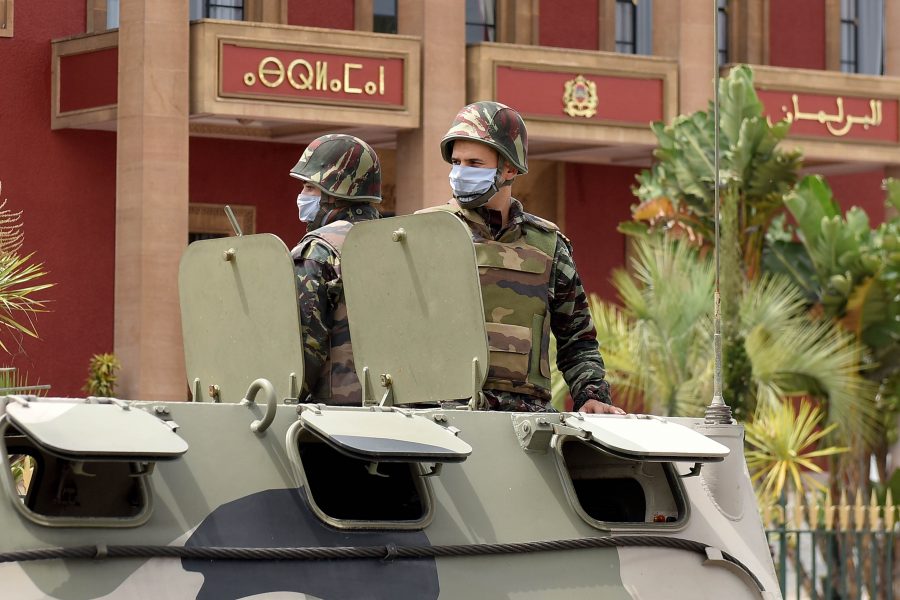
Young people living in Northern Morocco have more confidence in the military and security institutions than in Parliament, government, or other political parties.
This was revealed in a comprehensive field study’s results conducted by the Northern Observatory for Human Rights (ONDH) and the “Future Elite” Foundation on the index of young people’s confidence in institutions in 2022.
This survey measures and analyzes the level of confidence of Moroccan youth in a set of social, sovereign, and elected institutions, as well as civil society organizations and the media.
It also measures the extent of the satisfaction of young Moroccan citizens with the current political, economic, social and human rights situation, where it takes the work of government programs aimed at young people, as well as the efforts of the government to fight corruption.
The study was conducted during the period between October 15, 2022 and January 31, 2023 in the Tangier-Tetouan-Al Hoceima region.
The sample included young people between the ages of 18 and 25. Quantitatively, 400 young men and women, split between 53% men and 47% women, answered the questionnaires on the index of trust of young people in institutions in the past exercise of 2022.
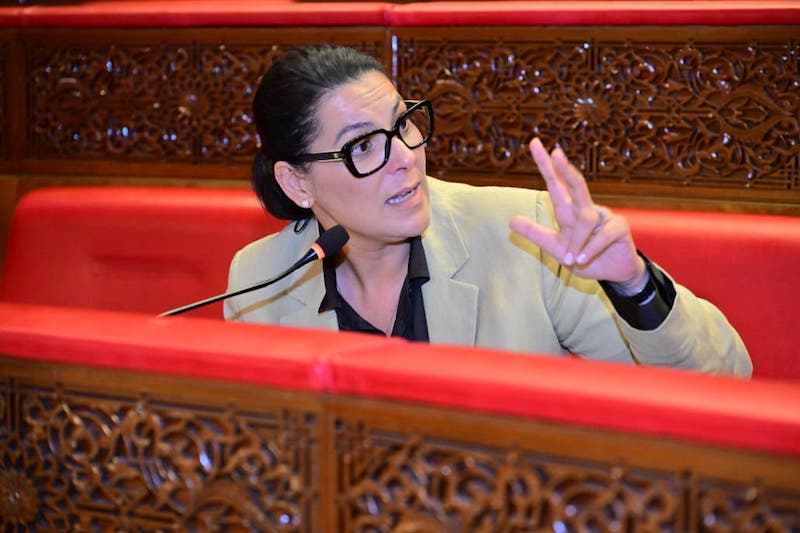
Sovereign, non-elected institutions enjoy great confidence among Moroccan youth, while there is great mistrust in elected institutions.
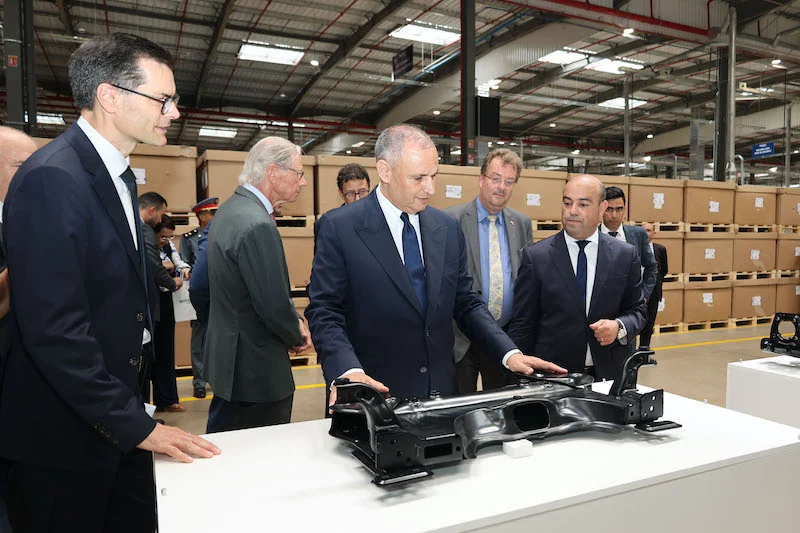
The army, national security, the Royal Gendarmerie and the judiciary top the level of trust of young people while the index of trust is lower for elected national institutions such as parliament, government and political parties.
According to the results of trust in sovereign (non-elected) institutions, the army ranked first with a positive rate of trust of 75%, followed by national security (72%), the Royal Gendarmerie, and judicial institutions (61%), and ahead of the Ministry of the Interior (51%).
Civil society associations recorded a positive indicator of trust reaching 64%, against 30% distrust.
Moroccan media came second in the case with a positive confidence rate of 42%.
The Tangier-Tetouan-Al-Hoceima region recorded a positive confidence rate of 41% against 45% distrust. Local authorities follow 40%, against 54%.
Public education came in fifth place (33% versus 66%) ahead of public health (23% versus 76%).
Parliament ranked seventh (21% versus 71%). The government is in eighth place in distrust with 16%, against 80% ahead of the political parties (15% in favor against 80% in disbelief).
The study also included social structures. The results showed that young Moroccans trust the institution of the “nuclear” family at 96%, against 3% who do not trust it, while the extended family (family) comes in second place with a confidence of 65% versus 33%.
Friends are third (62% vs. 36%). Finally, the neighbours are at the bottom of this ranking with a confidence rate of 41% against 56%.
These findings, relative to North Africa and the Middle East, are due to political, military and economic events of the last few years.
“The military has long been respected by citizens across the MENA region while levels of trust in the police may be higher given their efforts to combat COVID in recent months.” According to the German Foundation Konrad Adenauer Stiftung’s (KAS) regional survey.
The executive Think Tank body explains that, for most governmental institutions, support doesn’t vary widely by age, gender, education, or income. In certain countries, clear differences are apparent, but for the most part, levels of trust in these institutions are relatively similar for most major demographic categories across MENA.
Morocco recorded the highest level of trust in security institutions followed by Jordan and Algeria respectively in 2020, while Tunisia recorded a rate of 42% and Lebanon with 26%.
KAS stressed that despite other problems facing the countries, including significant economic issues (Which could be accounted for in the level of distrust in the elected governments), it appears that citizens in these countries are more confident in their government’s security institutions based on their management of health crises.



add your comment
Terms of publication : Not to offend the writer, people, sacred things, or attack religions or the divine self, and refrain from racist incitement and insults.