
The Cherifian Office for Phosphates (OCP) announced its commitment to reserve over four million tonnes of fertilizers for African farmers in 2023, more than double OCP’s supply to the continent in 2021, and over a quarter of the group’s expected total output.
Group Chairman & CEO, Mostafa Terrab shared the decision on Wednesday, at the World Bank Annual Meetings, saying that despite the state of international markets, “there is an opportunity amidst the current crisis for us to deal with long-term balance, and focus on the African continent because it suffers from a great shortage.”
“The current geopolitical situation reveals deep fragility in global agricultural systems, therefore we must address the challenges facing African farmers, whether in infrastructure, training, access to markets, and financing,” said the CEO.
OCP Group, a global leader in plant nutrition and the world’s largest producer of phosphate-based fertilizers, is providing a fertilizer supply program that will include training and capacity building alongside local partners.
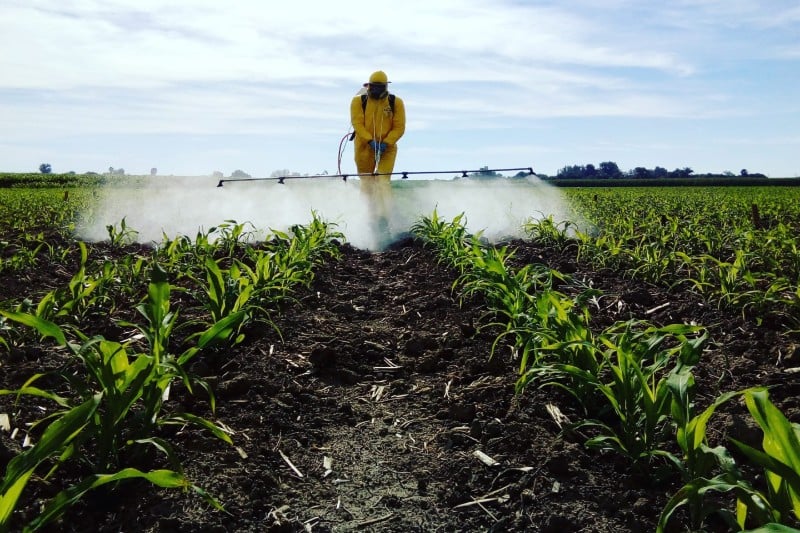
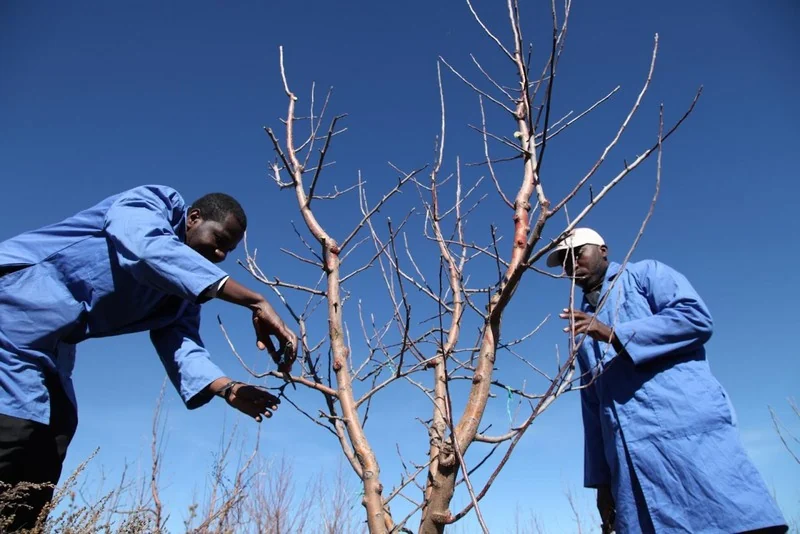
This allocation ensures that the right fertilizers will be available to farmers from the whole continent, helping to boost yields for 44 million farmers across 35 countries, including Morocco.
During the seminar moderated by David Malpass, President of the World Bank Group, Mustafa al-Turab pointed out that “half of food production today is made possible by mineral fertilizers, and therefore it is important that we provide these fertilizers.”
Terrab stated that fertilizer prices began to rise three years ago due to the imbalance between supply and demand, in light of recent international events affecting the supply chain.
The CEO explained that fertilizers consist of three parts: nitrogen, natural gas, and phosphate. Morocco, having the largest global reserves of the latter, is well positioned within the fertilizer market, but has to import nitrogen to produce fertilizers.
Defying the uncertainties surrounding the fertilizer market since the outbreak of the Russia-Ukraine conflict, OCP announced it will increase fertilizer output by about 10% earlier this year.
The Group’s success in securing alternative supply following the conflict has encouraged more demand for Moroccan fertilizer products, with increased demand for India and multiple Latin American countries.






add your comment
Terms of publication : Not to offend the writer, people, sacred things, or attack religions or the divine self, and refrain from racist incitement and insults.