
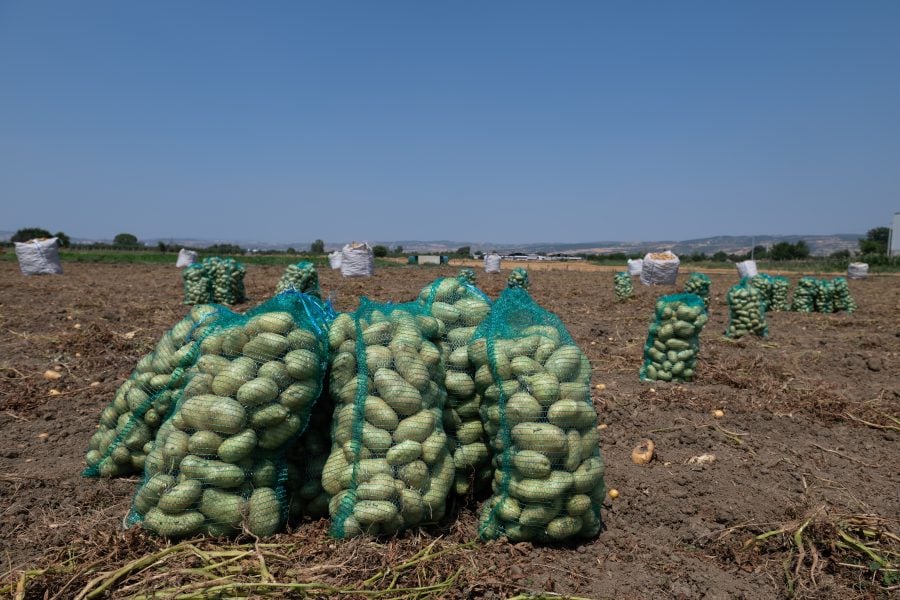
Moroccan farmers are hoping for rain in September and October to make up for the heavy losses they suffered during the drought-hit previous season.
Farmers consider September and October rain to be an essential indicator of the upcoming agricultural season and a significant factor in the output of various crops.
Since last September, moisture has been at its lowest making the 2021-2022 agricultural season the worst the country has seen in 30 years.
In the 1990s, Morocco experienced droughts every 7 to 10 years. Today, these moments of weak rainfall occur every 2 to 3 years, largely due to climate change.
Water availability was four times greater in the 1960s, at 2,600 cubic meters. According to a July World Bank report on the Moroccan economy, the country is experiencing “structural water stress” due to a decrease in the availability of renewable water resources.
Illegal withdrawals from wells, springs, or waterways are also prohibited.
Reduced harvests are bound to leave Morocco and other North African governments to fend for imports, as domestic supply will highly not meet the demand of citizens.
Agriculture, a sector that employs 1 in 3 workers in Morocco as crops for livestock and water for produce remain scarce.
Global climate outlooks indicate that rainfall is more likely to be below average from September to November 2022 for a number of the world’s major grain- and oilseed-producing regions.







add your comment
Terms of publication : Not to offend the writer, people, sacred things, or attack religions or the divine self, and refrain from racist incitement and insults.