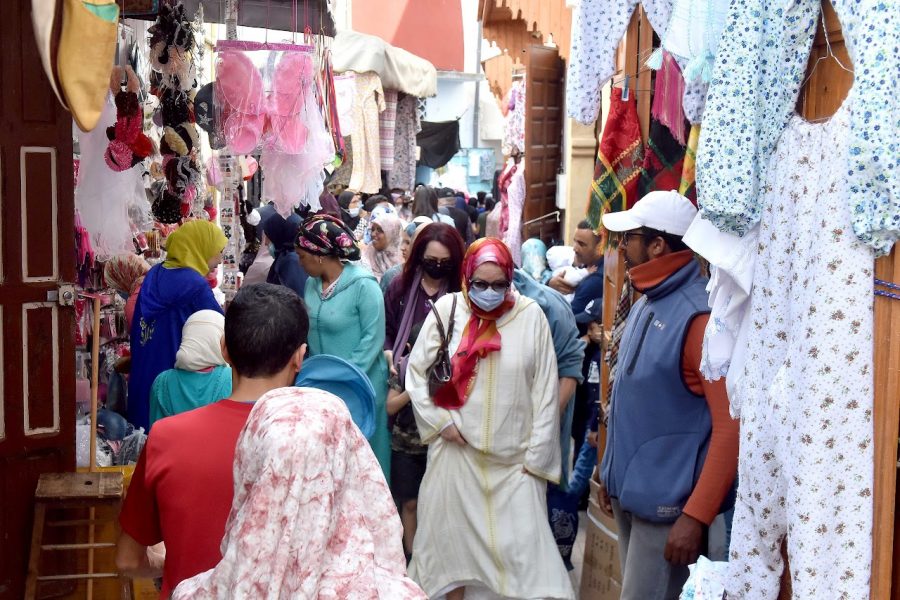
Due to rising fuel prices and escalating global inflation, domestic prices have risen an approximate 80% in the last five months in Morocco, leaving society’s most vulnerable in precarious conditions.
“Water, oil, coffee, fuel and vegetables, everything is now out of reach for us,” says Salah S, an undocumented bartender working in Rabat. With a monthly salary below the Moroccan minimum wage and a lack of better opportunities, Salah had to settle for a job at the establishment “with no social security or proof of work.”
According to Salah, the latest price spike has made life “very difficult” for him and his family, who partially depends on his financial assistance to shop for groceries and pay bills.
Salah is not alone. Despite most Moroccans complaining about rising living costs and “exorbitant price increases,” the approximate 77% of Moroccan professionals, working in the informal sector, are getting the shorthand of the stick.
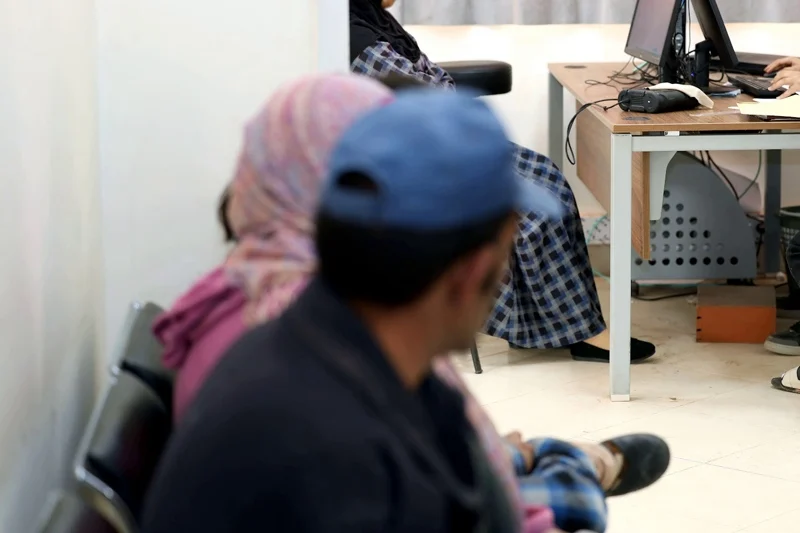
Due to their informal status, these professionals are paid significantly less than the minimum monthly MAD 2500 salary and have no social security or health insurance. “If you get ill, you can’t go see a doctor or purchase medication, and you can’t skip a day of work, because if you do, you will have to make big concessions for groceries or transportation,” said Salah.
Moroccan Minister of Interior, Abdelouafi Laftit revealed that the number of consumer complaints about price increases almost doubled the number of investigations carried out by the Competition Council.
While speaking to the House of Representatives, the official revealed that, due to high inflation, the price of many products in Morocco has risen considerably and consumers are increasingly submitting price increases to price reviewing commissions.
According to the Minister of Interior, the pricing of consumer products is not within the competence of the authorities, especially in light of the now high cost of raw materials, which have become more expensive on the global market.
The government announced it will be rising the national minimum wage, but this does not apply to undocumented workers, who remain an exploited fragment of the Moroccan workforce that, surprisingly, makes up its majority, according to a recent Worl Bank report.
Inflation in Morocco reached 4.1% year-on-year at the end of April, while economic growth is expected to fluctuate between 1.5% and 1.7% this year.
For more perspective, inflation averaged 1.4% in 2021, while experts expect inflation to average 4.7% in 2022, before falling back to 2.0% in 2023.
In March, Bank Al-Maghrib decided to keep its policy rate at 1.5% to support the economy and mitigate the effects of an adverse international environment. If inflationary pressures persist, BAM could tighten monetary policy in 2022.
Faced with dire economic realities, Moroccans have decided to take to the streets to protest the price increases this weekend, but authorities stopped the demonstration.




add your comment
Terms of publication : Not to offend the writer, people, sacred things, or attack religions or the divine self, and refrain from racist incitement and insults.