
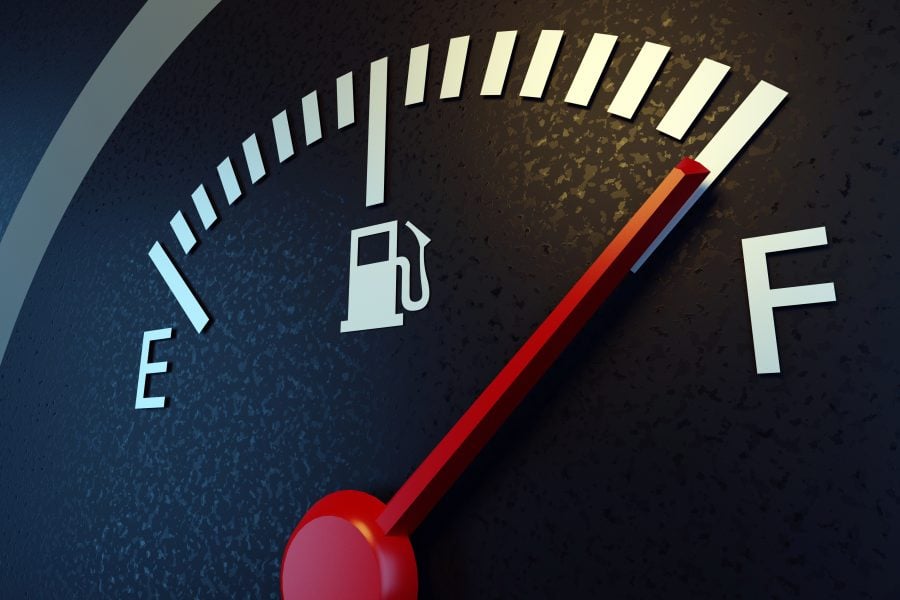
Fuel prices in Morocco have risen again in recent days after a brief period of modest declines, fueling concerns over a new wave of price increases that could affect transportation, production costs, and consumer goods as global energy markets remain volatile.
Youssef Kraoui El Filali, president of the Moroccan Center for Governance and Management, said the latest increase — nearly MAD 1 per liter — is primarily driven by external factors, including higher global oil and refined fuel prices resulting from geopolitical tensions that have disrupted supply chains and increased shipping and insurance costs.
Speaking to Hespress AR, Kraoui said Morocco remains highly exposed to international energy price fluctuations because it relies heavily on imported fuel.
He added that the current summer season is also contributing to stronger demand for fuel, driven by increased domestic travel and the arrival of Moroccans living abroad for the summer holidays, pushing consumption levels higher.
Kraoui warned that the latest price hike is likely to have broader economic consequences, increasing the cost of public transportation and raising production expenses for businesses that depend on diesel fuel, particularly in the agricultural sector and related industries.
Higher transportation costs for goods and food products are also expected to put upward pressure on the prices of a wide range of consumer goods, he said.
“If this upward trend continues or additional increases are recorded in the coming weeks, it could intensify pressure on consumers and create greater volatility in the domestic market,” Kraoui said.
Economist Mohamed Jdri said the latest increases mark a return to the conditions seen after military tensions between the United States and Iran, following a brief period of modest price cuts that consumers benefited from last month.
Jdri told Hespress AR that global oil prices have climbed again after briefly surpassing $100 per barrel before stabilizing at around $85 to $86 per barrel, a development that was quickly reflected in retail fuel prices in Morocco.
He criticized fuel distribution companies, saying they “raise prices in dirhams but reduce them in centimes,” arguing that the latest increases will directly erode the purchasing power of Moroccan households, particularly during the busy summer travel season.
Jdri said the impact of higher fuel prices extends beyond transportation, affecting nearly every sector of the economy, including industry and commerce, because production and distribution costs are closely tied to energy prices.
He called for greater geopolitical stability to help bring global oil prices below $70 per barrel, arguing that such a decline could lower fuel prices in Morocco to between MAD 11 and MAD 12 per liter, compared with the current level of around MAD 14.5 per liter.
The economist also stressed that Moroccan households are still struggling with the effects of the inflationary wave that began in 2022, warning that any further increases in fuel prices would place additional pressure on living standards given fuel’s central role in nearly every aspect of economic activity and daily consumption.






add your comment
Terms of publication : Not to offend the writer, people, sacred things, or attack religions or the divine self, and refrain from racist incitement and insults.