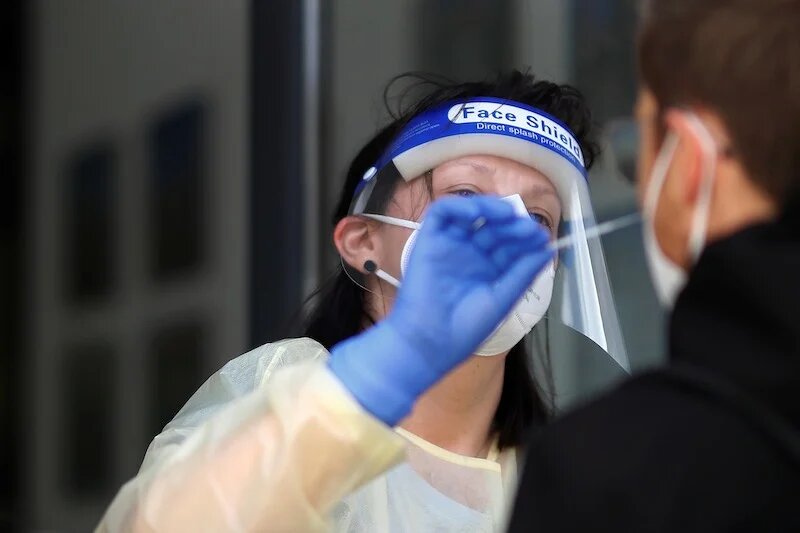
Monkeypox virus belongs to the Orthopoxvirus genus in the family Poxviridae, first appeared in 1958, and was initially detected in West and Central Africa in the 1970s.
The disease found its way back to several countries around the world earlier in May, with Morocco reporting 3 first suspected Monkeypox cases as of Monday.
What causes the disease?
Infection is caused by direct contact with blood, saliva, or skin or mucous membrane lesions of infected animals or humans.
The World Health Organization (WHO) said the consumption of undercooked meat from infected animals is also a possible risk factor, in addition to human-to-human contact.
The virus enters the body through broken skin (even if not visible), respiratory tract, or the mucous membranes (eyes, nose, or mouth), said the Centers for Disease Prevention and Control (CDC).
Human-to-human transmission is thought to occur primarily through large respiratory droplets, so prolonged face-to-face contact is required, added CDC.
What are the symptoms of infection?
The incubation period (time between infection and onset of symptoms) is usually 6 to 16 days, but can be as long as 5 to 21 days, WHO stated.
The infection can be divided into 2 periods:
The invasive period (0-5 days) is characterized by fever, intense headache, adenopathy (swollen lymph nodes), back pain, myalgias (muscle pain), and severe asthenia (lack of energy), specified WHO.
The rash period (within 1 to 3 days after the onset of fever) with the different stages of the rash, often starting on the face and spreading to other parts of the body.
According to the WHO, the number of lesions varies from a few to several thousand, affecting :
-Oral mucosa (in 70% of cases)
-The genitals (30%)
-The conjunctiva (eyelid) (20%), as well as the cornea (eyeball).
The rash evolves in about 10 days from maculo-papules (lesions with a flattened base) to vesicles (small blisters filled with liquid), then pustules and finally crusts, and may take up to 3 weeks to disappear completely, according to the same source.
What is the fatality rate of the disease?
The virus may lead to a range of medical complications, said the World Health Organization (WHO), while the case fatality ratio has been around 3–6%.
Is there any specific medication for the disease?
Smallpox vaccination has been shown in the past to be 85% effective in preventing the infection, but the vaccine is no longer available after its manufacture was discontinued following the global eradication of smallpox, according to the World Health Organization (WHO).
CDC Europe has urged health officials to assess the availability of smallpox vaccines, antivirals, and personal protective equipment.
How to prevent infection?
WHO recommends avoiding close contact with lesions, bodily fluids, respiratory droplets, and contaminated materials such as bedding since the disease is spread via contact.
The outbreak of this virus coincided with the circumstances surrounding COVID-19, which lasted for over 2 years worldwide and is still active.

I have read so many posts concerning the blogger lovers however this
article is truly a good post, keep it up.
Look at my webpage; dog pain pills