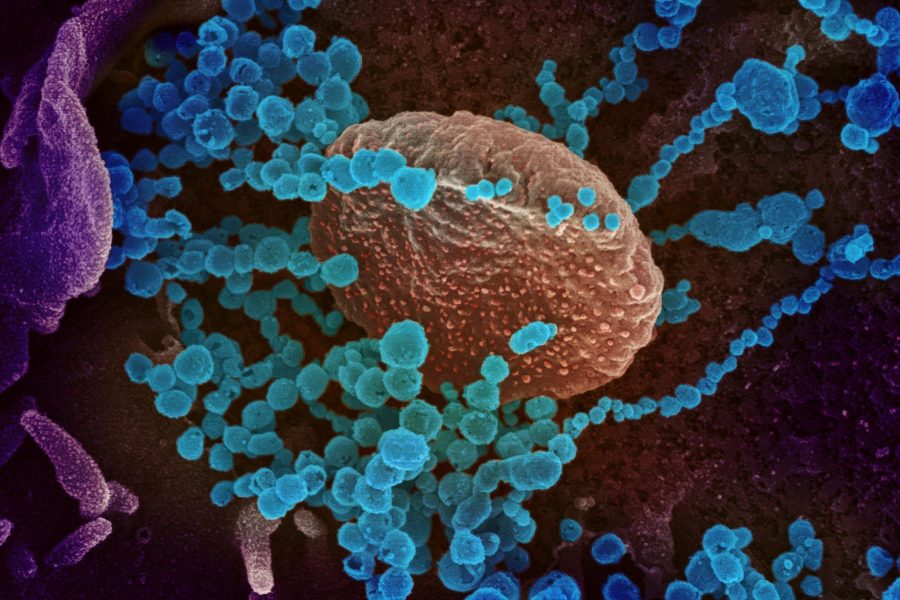
Researchers have warned that antimicrobial resistance poses a significant threat to humanity, as it has now become the leading cause of death worldwide, killing about 3,500 people each day.
The most comprehensive estimate to date of the global impact of antimicrobial resistance (AMR) estimates that at least 1.2 million people died as a direct result of antibiotic-resistant bacterial infections in 2019.
Lancet published an analysis covering more than 200 countries and territories. There is evidence that AMR kills more people than HIV/AIDS or malaria. Study authors say bacteria that cause common, previously treatable infections have become resistant to treatment, resulting in hundreds of thousands of deaths.
“These new data reveal the true scale of antimicrobial resistance worldwide, and are a clear signal that we must act now to combat the threat,” says co-author Professor Chris Murray of the Institute for Health Metrics and Evaluation at the University of Washington.
“We need to leverage this data to course-correct action and drive innovation if we want to stay ahead in the race against antimicrobial resistance,” he says.
Several estimates of the impact of AMR on public health have been published for several countries and regions as well as for a limited number of pathogen-drug combinations in many locations. Despite this, no recent estimates have taken into account all locations or a wide variety of pathogens and drug combinations.
The analysis shows that AMR was directly responsible for about 1.27 million deaths in 2019 and indirectly responsible for about 4.95 million deaths. According to estimates, HIV/AIDS and malaria killed 860,000 and 640,000 people, respectively, last year.
Children under five are particularly vulnerable to AMR, with one in five deaths caused by it. AMR poses a threat to people of all ages, but young children were found to be especially vulnerable.
There is an urgent need to increase action to combat AMR, and the report outlines policymakers’ immediate actions that could protect health systems and save lives. Optimizing the use of existing antibiotics, improving infection monitoring, and increasing funding for the development of new antibiotics and treatments are among these.
Antimicrobial resistance is “one of the greatest challenges humanity faces,” according to Dame Sally Davies, the UK’s special envoy on AMR. “Behind these new numbers there are families and communities that are tragically bearing the brunt of the silent AMR pandemic,” she said.
In a statement, Tim Jinks, the head of Wellcome Trust’s pandemic response program, said “the Covid-19 pandemic has highlighted the crucial need for global collaboration: politicians, healthcare professionals, the private sector and the public working together to tackle this global health threat.”
“Like Covid-19, we know what needs to be done to address AMR, but we must now come together with a sense of urgency and global solidarity if we are to be successful.”





add your comment
Terms of publication : Not to offend the writer, people, sacred things, or attack religions or the divine self, and refrain from racist incitement and insults.