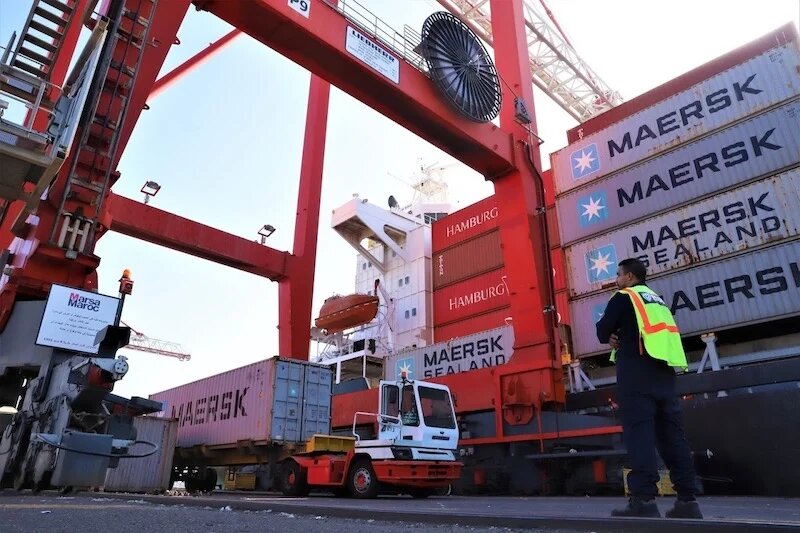
A recent study concluded that the African Continental Free Trade Area (AfCFTA) will have a strong positive impact on Moroccan exports, GDP, and median household income.
The Directorate of Financial Studies and Forecasts at the Ministry of Economy and Finance and the French Development Agency issued the study this week, revealing that continental integration will mainly be beneficial for national exports compared to imports.
The study aims to assess the potential effects of the various scenarios of the Moroccan economy’s African integration, anticipating public policy responses and exploring possibilities to expand the margin of benefits.
The size of the effects will remain limited, because free trade regulation does not concern services, whereas industry and agriculture will significantly benefit from the agreement.
According to the study, the African Continental Free Trade Area agreement’s main positive contributors are ambitious custom exemptions, going up to 50%.
The agreement may reflect on the Moroccan GDP by a 0.3% increase, while improving single Moroccan household income by 0.6%, with an overall 2.3% increase in Moroccan exports’ volume.
The study said that liberalizing custom duties will benefit the food industry and the livestock sector, as well as industrial activity in general.
The study accounts for projected trade flows in production, sectorial added value and factor markets, and macro-economic aggregates.
The study confirmed the importance of the Continental Free Trade Area, saying it is “an unprecedented opportunity for Africa to achieve harmony and consistency in its trade environment.”
The agreement represents a chance for the long-term development policy in the continent, as it will establish one of the largest free trade areas in the world, covering an area of more than 1.2 billion consumers.
Moroccan authorities will have to accompany this potential, by implementing measures and mechanisms to exploit the full potential of Morocco’s integration into the African Continental Free Trade Area.
An important area of governmental interference will have to be adapting Moroccan supply to continental demand, taking the peculiarities of African economies into account, advises the study.
The study additionally recommended building complementary ecosystems to the Moroccan industry, through inter-industry joint ventures and partnerships.
Emphasis was also made on continuing efforts to develop road infrastructure between countries to facilitate intra-regional trade, improve the quality of distribution networks and raise its competitiveness.








add your comment
Terms of publication : Not to offend the writer, people, sacred things, or attack religions or the divine self, and refrain from racist incitement and insults.