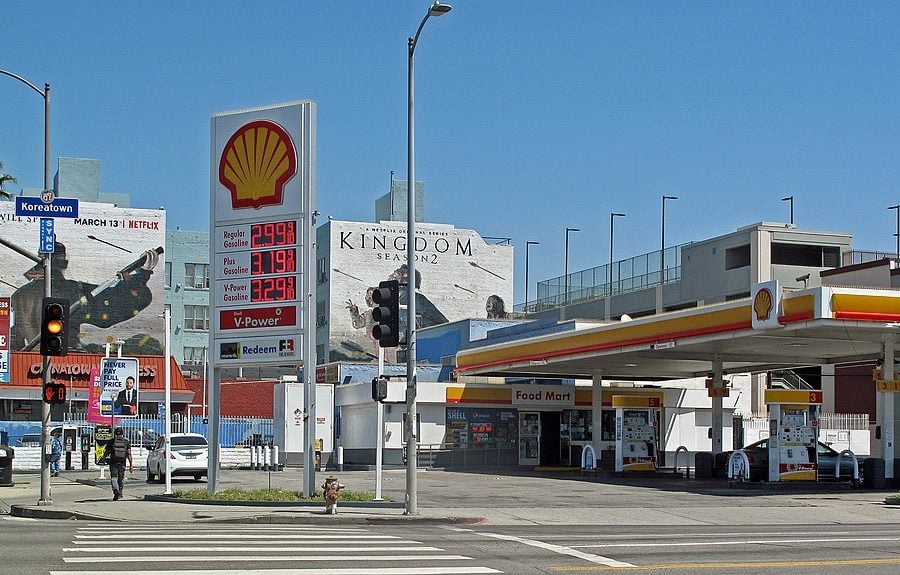
Current account deficits for countries like Egypt, Jordan, Lebanon, Morocco, Tunisia, and Sudan will rise from USD27 billion in 2020 to USD35 billion in 2021, primarily due to higher oil import costs and lower tourism receipts, says the Institute of International Finance (IIF).
Tourism figures in these nations, which make up a significant portion of GDP, will not recover to pre-pandemic levels until 2023.
The coming years are set to bring widening economic gaps that will be felt between exporters and importers in the Middle East and North Africa. By the end of 2022, the public foreign assets of Gulf nations are expected to reach over $3 trillion, which is 170 percent of GDP.
This is mainly due to oil price forecasts of $71 per barrel this year and $66 next year, expected to drive current Gulf countries’ account surpluses of $165 billion this year and $138 billion next year, IIF report said.
“While the economic recovery continues to gain momentum, a split in macroeconomic prospects has emerged within the region … the divergence in economic performance between oil-exporting and oil-importing countries has widened further,” said the report, quoted by Reuters.
Analysts see that increased global gas costs could usher what economists call stagflation, characterized by high inflation and low growth.
It is quite clear there is a growing sense of unease about the economic outlook as a growing number of companies look ahead to the prospect of rising costs,” said Michael Hewson, chief market analyst at CMC Markets told Reuters.





add your comment
Terms of publication : Not to offend the writer, people, sacred things, or attack religions or the divine self, and refrain from racist incitement and insults.